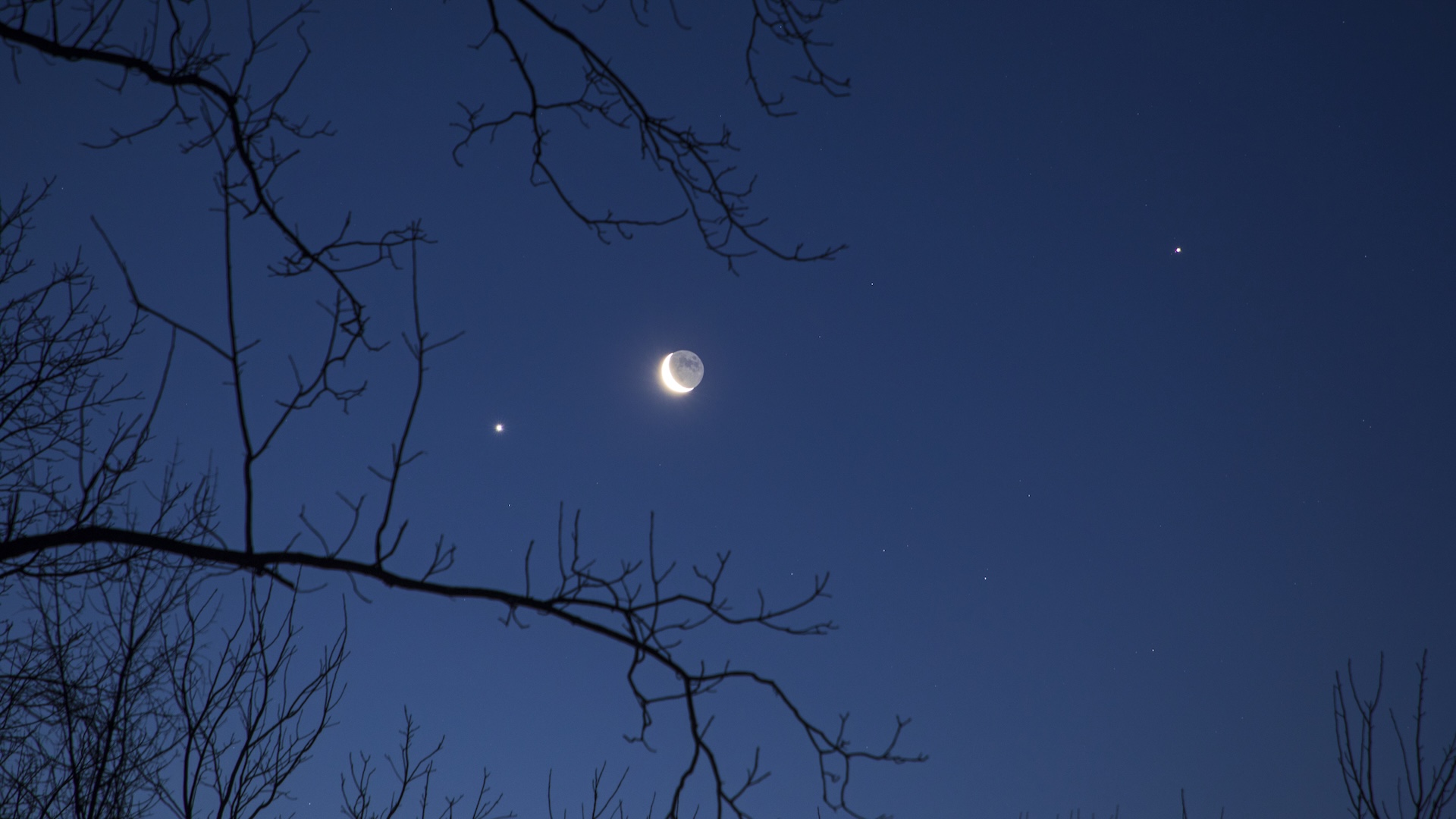
A Celestial Trio: Venus, Regulus, and the Crescent Moon Light Up September skies
September promises a stunning display for stargazers, featuring a close conjunction of the crescent moon, brilliant Venus, and the star Regulus. This captivating alignment will be visible throughout the month,though its precise appearance will vary depending on your location.Let’s explore what you can expect and how to best witness this cosmic event.
What is a Conjunction?
A conjunction occurs when two or more celestial objects appear close together in the sky from our outlook on Earth. While they may seem near each othre,remember these objects are often vastly distant in space. This particular conjunction is special due to the brightness contrast and the involvement of our moon.
Where and When to Look
The peak of this celestial show unfolds around September 18th and 19th. Here’s how the view will differ based on where you are:
* East Coast of North America: You’ll witness an almost perfect straight-line alignment of the moon, venus, and Regulus, fitting within a degree of sky.
* West Coast of North america: Expect a tighter clustering, forming a noticeable triangle between the three objects.
* northeastern Canada, Greenland, Western Europe & North Africa: You’re in for a treat! The moon will actually occult (pass in front of and block) Venus for a short period.
You can find precise timings for your location using resources like In-The-Sky.org. Remember, the moon’s proximity to Earth means its position shifts by as much as 2 degrees across the globe, making occultations visible from only a portion of the planet.
Understanding the Brightness
Don’t expect all three objects to shine with equal intensity. here’s the pecking order:
- The Moon: It will be the brightest object in the sky, easily dominating the view.
- Venus: following the moon, Venus will appear as a dazzling “Morning Star.” Actually, Venus (magnitude -3.8) is approximately 110 times brighter than Regulus.
- Regulus: This star will appear faint in comparison to Venus and the moon. (In astronomy, lower or negative magnitudes indicate brighter objects.)
What Follows the Conjunction?
The celestial events don’t stop with the conjunction. Several other noteworthy occurrences are on the horizon:
* September 21st: The crescent moon will fade into a new moon, triggering a partial solar eclipse visible from new Zealand, Antarctica, and the western South pacific.
* September 22nd: The autumn equinox arrives, bringing roughly equal day and night lengths worldwide. This also signals the start of longer nights in the Northern Hemisphere, ideal for stargazing.
* Throughout September: Venus will remain a prominent and brilliant “morning Star,” continuing to grace the eastern sky before sunrise.
Why This Matters: A Reminder of Our Place in the Cosmos
Events like these offer a powerful reminder of the dynamic universe we inhabit. Observing these celestial alignments connects you to a tradition of stargazing that spans millennia. It’s a chance to appreciate the beauty and complexity of the cosmos,and to reflect on our place within it.
Resources for Further Exploration:
* In-The-Sky.org: Detailed information on timings and visibility for the conjunction.
* [Live Science – Solar Eclipse](https://www
Worth a look