
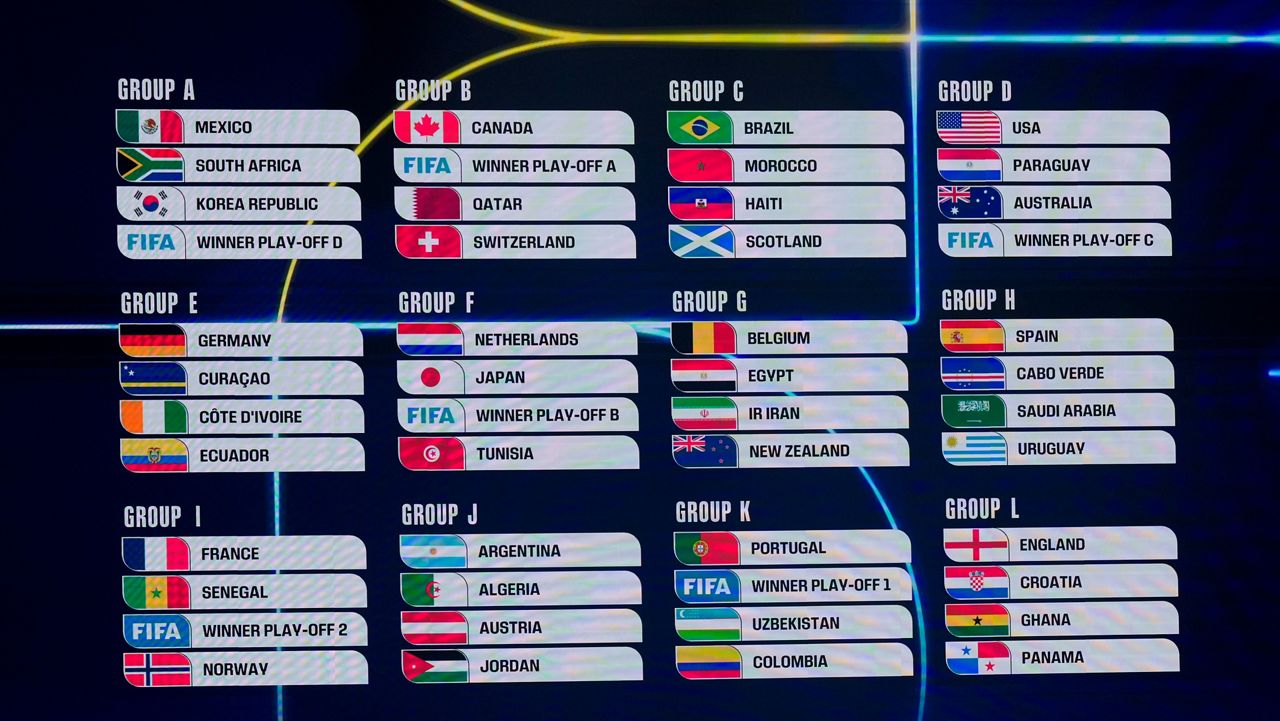
The 2026 FIFA World Cup, hosted jointly by Canada, Mexico, and the United States, will feature an expanded format of 48 teams, introducing a new knockout stage structure that begins with a Round of 32. According to official FIFA tournament regulations, the competition will see 12 groups of four teams, with the top two from each group and the eight best third-placed teams advancing to the inaugural Round of 32. This represents a significant shift from the 32-team format used in previous editions, providing more opportunities for nations across all confederations to participate in the final tournament.
As the qualification process continues across the globe, football federations are finalizing their rosters and tactical preparations for the expanded tournament. With 104 matches scheduled to take place across 16 host cities, the logistical framework for the 2026 event is designed to accommodate the largest field in World Cup history. The opening match is set to take place at Estadio Azteca in Mexico City on June 11, 2026, while the final will be held at MetLife Stadium in New Jersey on July 19, 2026, as confirmed by FIFA’s official match schedule.
Understanding the Expanded 2026 Tournament Structure
The transition to 48 teams has fundamentally altered the path to the trophy. Under the previous 32-team model, the knockout phase began directly with the Round of 16. In 2026, the inclusion of a Round of 32 means that teams must navigate an additional match before reaching the traditional knockout stages. This change is intended to increase the total number of competitive fixtures while maintaining a manageable duration for the tournament.
The qualification process for the 48 spots is allocated by confederation: AFC (8.5 spots), CAF (9.5 spots), CONCACAF (6.5 spots), CONMEBOL (6.5 spots), OFC (1.5 spots), and UEFA (16 spots). The “.5” indicates inter-confederation play-off slots. As reported by the governing body, this distribution ensures representation from all corners of the globe, with African nations in particular seeing an increase in their guaranteed qualification quota.
Impact on Global Representation
The increased number of slots has sparked discussions regarding the competitiveness of teams from smaller or emerging footballing nations. Former international players have noted that the expansion provides a platform for teams that previously struggled to break through the qualification barriers of their respective confederations. According to reports from international outlets, figures within the African football community have expressed optimism regarding the increased presence of CAF nations, citing the potential for these teams to gain valuable experience on the world stage.

While the expanded format increases the number of participants, FIFA has maintained that the quality of play will remain high due to the rigorous qualification processes mandated within each confederation. The tournament will utilize high-standard infrastructure across all three host nations, with significant investment in stadium upgrades and training facilities to ensure that all 48 teams are provided with professional-grade environments for the duration of the tournament.
Preparing for the Final Knockout Phase
As the tournament progresses, the Round of 32 will act as the gateway to the later stages of the competition. For fans and analysts, the primary focus remains on how the expanded field will affect the traditional powerhouses of European and South American football. Historical data suggests that while the format changes, the core group of title contenders often remains consistent; however, the knockout format creates a higher probability of upsets in the early stages of the bracket.
The schedule for the knockout rounds is structured to ensure that teams have adequate rest periods between matches, a primary concern for player welfare given the travel distances between host cities. FIFA has coordinated with local organizers to minimize travel fatigue, grouping matches regionally where possible during the group stages to reduce the carbon footprint and player transit times.
Next Steps and Official Updates
Official qualification matches are ongoing across the globe, with the final tournament field set to be confirmed following the conclusion of the inter-confederation play-offs. The official draw for the 2026 FIFA World Cup is expected to take place in late 2025, where the final groups and the path to the Round of 32 will be determined. Fans are encouraged to monitor the official FIFA website for the latest updates on ticket sales, venue announcements, and confirmed national team rosters as they become available.

The sporting world will continue to monitor the progress of these qualification cycles with interest. We invite our readers to share their thoughts on the expanded format in the comments section below and stay tuned for further coverage as the road to 2026 intensifies.
- England Leads Pakistan as Joe Root Equals Sachin Tendulkar Record
- Sports in Croatia: A Fan’s Guide to Football, Basketball, Water Polo & More
- Champions League Draw: Opponents for German Teams in the League Phase (newsdirectory3.com)
- Why Cat Pupils Are Vertical Slits and Dogs' Are Round (daybreakwire.com)