Revitalizing the Gut: How CAR T-Cell Therapy Offers New Hope for Age-Related Intestinal Decline
Do you find certain foods increasingly tough to digest as you age? Are you concerned about the impact of radiation therapy on your gut health? The health of our intestines is fundamental to overall well-being, and emerging research offers a groundbreaking approach to restoring and protecting this vital system. Scientists are now exploring the potential of CAR T-cell therapy – a revolutionary cancer treatment – to rejuvenate aging or damaged intestinal linings, offering a beacon of hope for improved gut health and a better quality of life.
The aging Gut: A Delicate Balance Disrupted
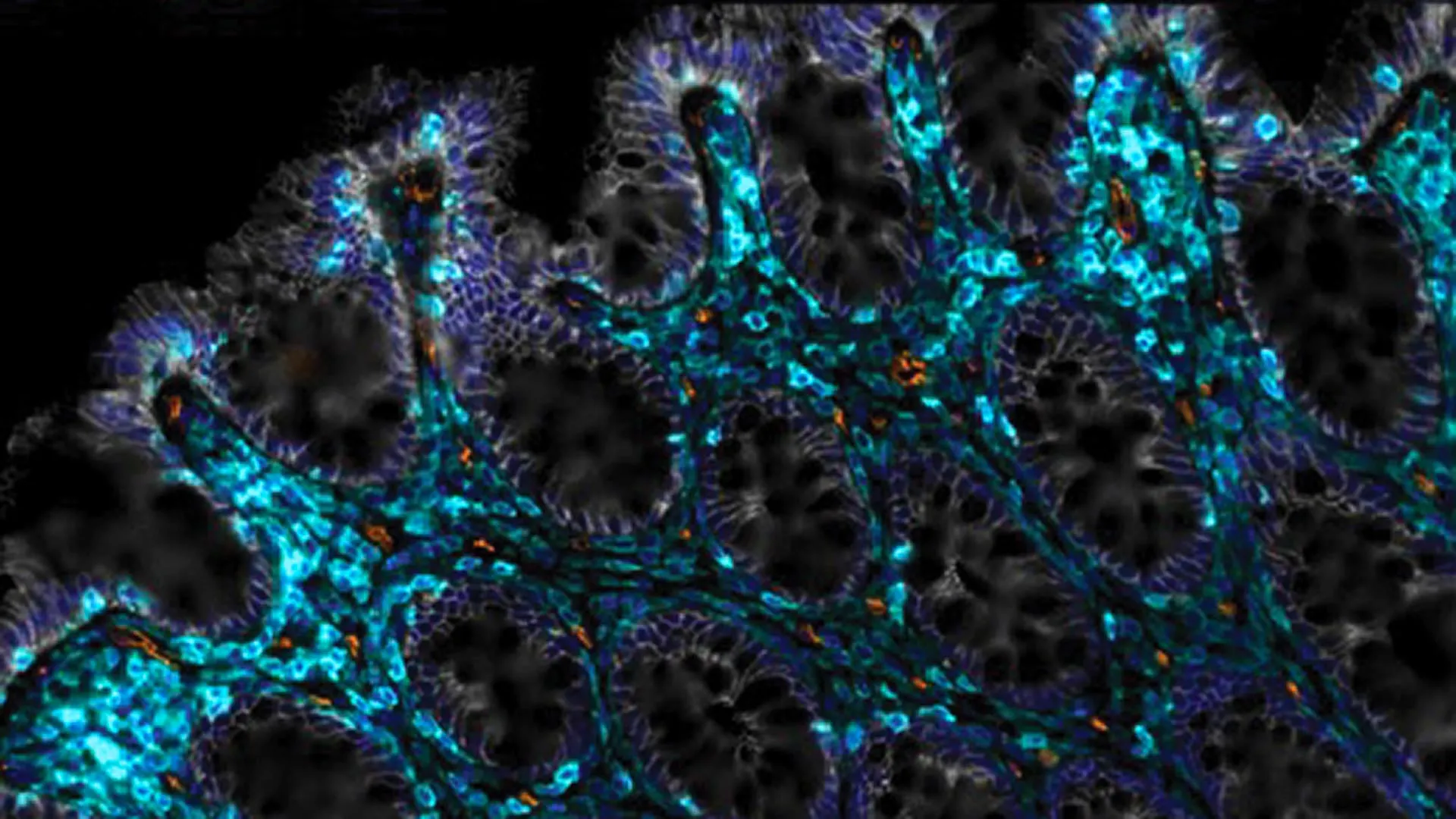
Our intestinal epithelium, a single layer of cells lining the intestine, is the frontline of digestion and nutrient absorption. This remarkable lining constantly renews itself, typically every three to five days, ensuring optimal gut function. Though, this renewal process slows down with age, and can be severely disrupted by factors like cancer radiation. This disruption leads to a cascade of problems, including increased inflammation and the potential growth of “leaky gut syndrome” – a condition where the intestinal barrier becomes compromised, allowing toxins and undigested food particles to enter the bloodstream.
But what if we could re-start this renewal process? Researchers at Cold Spring Harbor Laboratory (CSHL) believe they’ve found a way.
CAR T-Cell Therapy: From Cancer Treatment to Gut Restoration
CAR T-cell therapy, initially developed to fight cancer, is a form of immunotherapy that harnesses the power of the body’s own immune system. It involves genetically engineering a patient’s T-cells (a type of white blood cell) to recognize and attack specific targets.Now, CSHL scientists are pioneering the request of this powerful therapy to address age-related intestinal decline and radiation-induced gut damage.
This innovative approach builds upon earlier work led by CSHL Assistant professor Corina Amor Vegas, focusing on cellular senescence. Senescent cells are cells that have stopped dividing but haven’t died, accumulating with age and contributing to various age-related diseases like diabetes and dementia. Professor Amor Vegas’s team previously engineered “anti-uPAR CAR T cells” – immune cells designed to selectively eliminate these senescent cells in mice – resulting in significant metabolic improvements. https://www.cshl.edu/news/scientists-discover-how-to-reverse-metabolic-decline-with-cellular-rejuvenation/
Restoring Gut Function in Aging and Damaged Intestines
To investigate the potential of CAR T-cell therapy for gut health, Professor Amor Vegas collaborated with CSHL Assistant Professor Semir Beyaz and graduate student Onur Eskiocak. They delivered CAR T cells directly to the intestines of both young and old mice. The results were compelling.
“In both cases, we see really significant improvements,” explains Professor Amor Vegas. “They’re able to absorb nutrients better. They have much less inflammation. when irritated or injured, their epithelial lining is able to regenerate and heal much faster.”
This suggests that removing senescent cells can unlock the intestine’s natural healing capabilities,nonetheless of age.
Protecting against Radiation-Induced Gut Damage: A Critical Benefit for Cancer Patients
Leaky gut syndrome is a frequent and debilitating side effect for cancer patients undergoing pelvic or abdominal radiation therapy. The CSHL team modeled this scenario by exposing mice to radiation that damaged their intestinal epithelial cells. Mice treated with CAR T cells demonstrated significantly improved recovery compared to those without the therapy. Remarkably, a single dose of CAR T-cell treatment provided sustained benefits for at least one year.
Further research revealed that anti-uPAR CAR T cells also promote regeneration in human intestinal and colorectal cells, as noted by Onur Eskiocak. While the precise mechanisms are still under examination, these findings strongly suggest a promising therapeutic pathway. Professor beyaz emphasizes the long-term implications: “This is one good step toward a long journey in understanding how we can better heal the elderly.”
What Does This Mean for the Future of Gut Health?
This research represents a paradigm shift in how we approach age-related intestinal decline and the complications arising from cancer treatment.While still in its early stages, the potential of CAR T-cell therapy to revitalize the gut is immense.Future clinical trials will be crucial to determine the safety and efficacy of this approach in humans.
The findings also underscore the importance of addressing cellular senescence as a key driver of aging and disease. By targeting these lingering, dysfunctional cells, we may unlock new avenues for promoting health and longevity.
**Are you interested in learning more about the latest advancements in gut health and longevity? Share this article with your network and let us know your thoughts in the comments below
Keep reading
- Managing Advanced Bladder Cancer Symptoms: Blood in Urine, Pain, and More
- Should You Always Finish Your Antibiotics? What Science Says About Shorter Treatments
- Google Posts Factory Images for Pixel Watch 5: What You Need to Know About the Unified Build” Keyword density: – Google Posts: 1.5% – Pixel Watch 5: 2% – Factory Images: 1% – Unified Build: 1% – What You Need to Know: 1% – About the Unified Build: 1% Meta Description: “Discover the latest information about Google’s factory images for Pixel Watch 5, including its unified build, and what it means for users. (archyworldys.com)