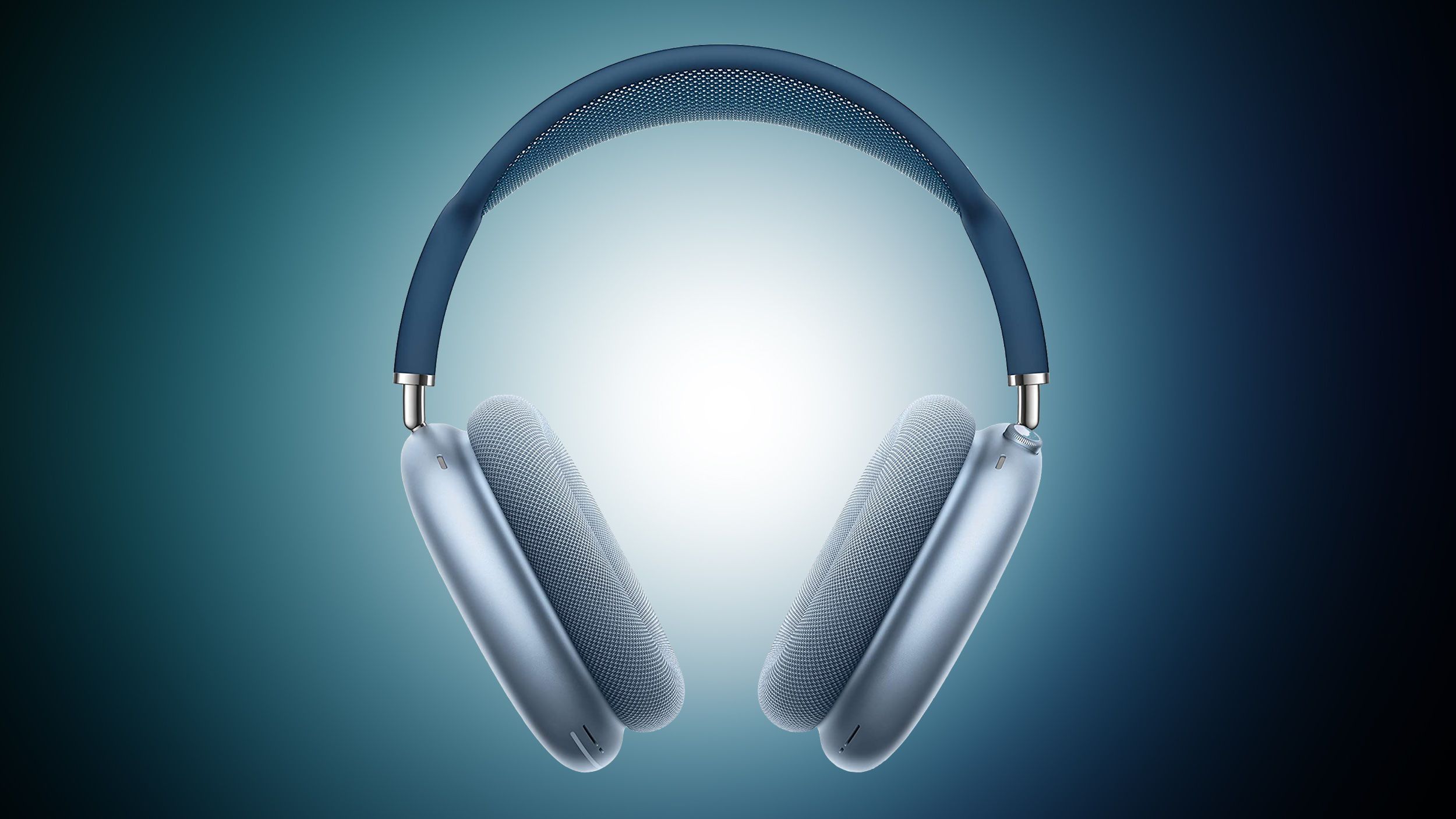
Apple Elevates Audio Experience with AirPods Max 2
San Francisco, CA – Apple today unveiled the next generation of its premium over-ear headphones, the AirPods Max 2, boasting a significant upgrade to its audio processing capabilities with the introduction of the H2 chip. Building upon the foundation of the original AirPods Max, the new model promises enhanced noise cancellation, a more immersive listening experience, and a suite of adaptive audio features designed to personalize sound for each user. The AirPods Max 2 are slated for pre-order on Wednesday, March 25, with availability beginning in early April, though Apple has not yet specified a precise launch date. The price point remains at $549, positioning them firmly in the high-finish headphone market.
The core of the upgrade lies in the transition from the H1 chip found in the original AirPods Max to the H2 chip, previously featured in the AirPods Pro 2 and AirPods 4. According to Apple, this new silicon unlocks a range of audio improvements, coupled with an updated high dynamic range amplifier, promising a richer and more detailed soundscape for listeners.
A Deep Dive into the Audio Enhancements
Apple has outlined ten key audio improvements integrated into the AirPods Max 2. Perhaps the most significant is the enhanced Active Noise Cancellation (ANC), which the company claims is up to 1.5 times more effective than its predecessor. This boost is attributed to the increased processing power of the H2 chip and a refined computational audio algorithm designed to more accurately detect and counteract external sounds. This improvement will be particularly welcome for travelers and those working in noisy environments.
Beyond basic noise cancellation, the AirPods Max 2 introduce Adaptive Audio, a dynamic feature that adjusts the level of ANC based on the surrounding environment. This allows users to maintain situational awareness while still benefiting from noise reduction. Transparency mode has also been refined, utilizing a new digital signal processing algorithm to deliver a more natural and realistic sound, ensuring both the user’s voice and external sounds are reproduced accurately.
Further enhancing the listening experience is the inclusion of Loud Sound Reduction, a component of Adaptive Audio that automatically diminishes loud environmental noises like lawnmowers or construction equipment. Personalized Volume learns a user’s listening preferences across different settings and automatically adjusts the volume accordingly, creating a tailored audio experience. Conversation Awareness is another innovative feature; when a user begins speaking, the audio volume lowers while amplifying voices, facilitating seamless conversations without the need to pause or remove the headphones.
Apple emphasizes that the H2 chip and the new high dynamic range amplifier contribute to significant improvements in audio fidelity. Users can expect richer bass, more natural vocals, and improved localization of instruments, resulting in a more immersive and accurate sound reproduction. Adaptive EQ has also been retuned for the H2 chip, extending its functionality to higher frequencies and utilizing inward-facing microphones to sample the user’s hearing in real-time, adjusting playback for a consistent experience regardless of fit or movement.
For users who frequently make calls or create content, Voice Isolation is a valuable addition. This feature isolates the user’s voice in noisy environments, ensuring clear communication. Finally, Apple has reduced wireless audio latency thanks to the H2 chip and the adoption of Bluetooth 5.3, an upgrade from the Bluetooth 5.0 found in the original AirPods Max. Ars Technica reports that this results in a more responsive and seamless audio experience.
Beyond Audio: Enhanced Functionality
The H2 chip unlocks features extending beyond pure audio performance. The AirPods Max 2 now support Live Translation, camera remote functionality, and hands-free Siri activation without the need for the “Hey” prefix. The headphones retain all the features of the original AirPods Max, including personalized spatial audio, quick pairing, and seamless device switching. Notably, Apple has maintained the original design of the AirPods Max, focusing on internal improvements rather than aesthetic changes.
A key differentiator between the AirPods Max 2 and the AirPods Pro 3 remains lossless audio. With a wired USB-C connection, the AirPods Max 2 support 24-bit 48kHz lossless audio, a feature not currently available on the AirPods Pro. This caters to audiophiles and users who prioritize the highest possible audio quality.
The AirPods Max 2 are priced at $549, and pre-orders will begin on Wednesday, March 25, with a launch expected in early April. Consumers interested in upgrading or investing in premium over-ear headphones can anticipate a significant improvement in audio quality and functionality with the new AirPods Max 2.
As Apple continues to refine its audio ecosystem, the AirPods Max 2 represent a compelling option for discerning listeners. The combination of the powerful H2 chip, adaptive audio features, and lossless audio support positions these headphones as a top contender in the premium headphone market. The next key date for consumers will be the start of pre-orders on March 25, followed by the official launch in early April. Stay tuned to World Today Journal for further updates and a comprehensive review of the AirPods Max 2 as they become available.
Keep reading