Ancient Peruvian Site Reveals Clues to a Thriving Pre-Hispanic Marketplace
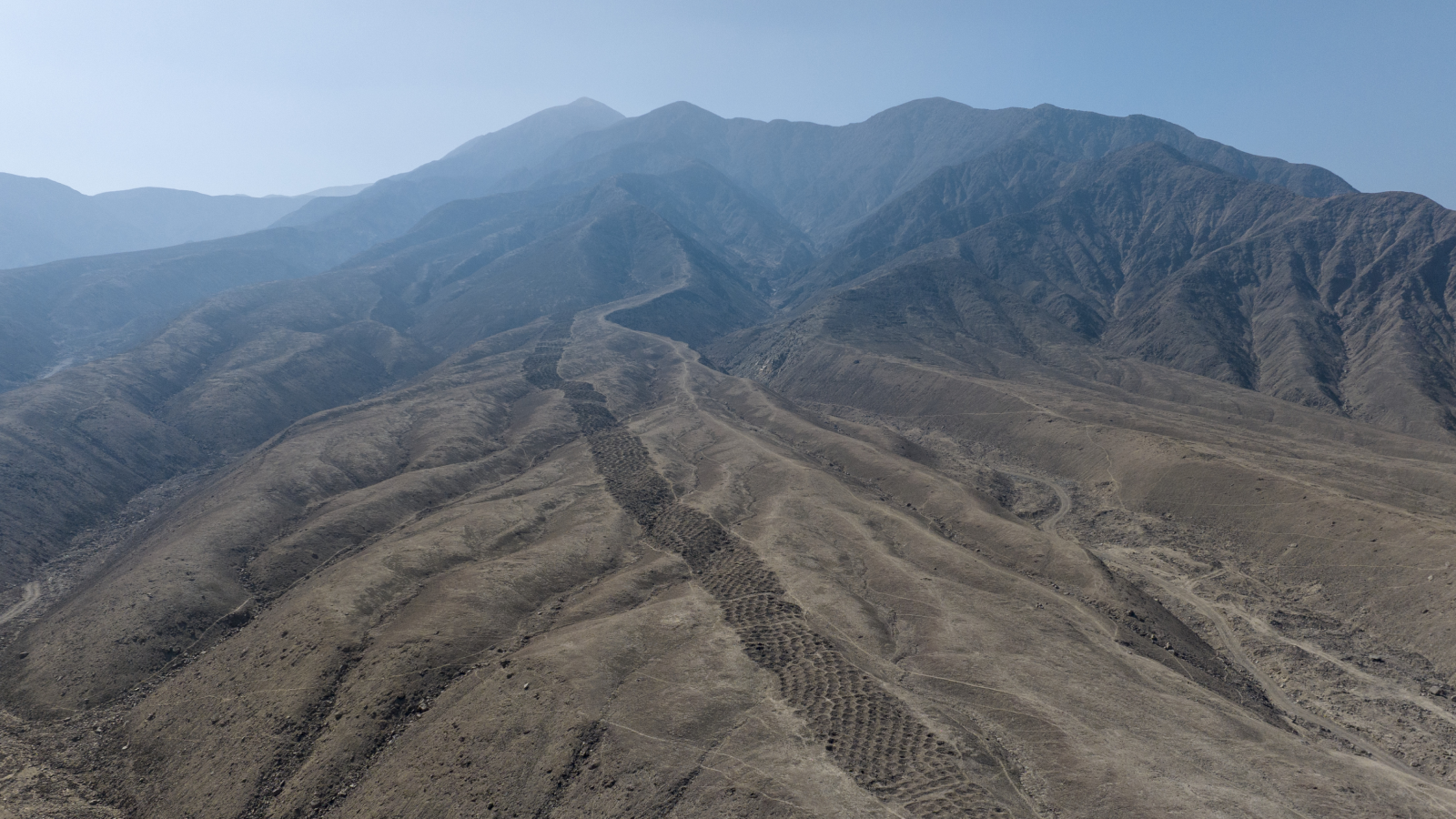
A newly published study sheds light on the enigmatic Monte Sierpe, a site in the Peruvian Andes riddled with thousands of mysterious holes. Archaeologists are increasingly confident that this wasn’t a defensive structure or ceremonial ground, but a bustling marketplace were communities bartered goods centuries ago. LetS delve into the fascinating discoveries and what they reveal about pre-Incan and Incan life in the region.
Unraveling the Mystery of Monte Sierpe
Located in the Chincha valley, Monte Sierpe has long puzzled researchers. The site consists of numerous depressions carved into the rock, arranged in a grid-like pattern. Initially,its purpose remained unclear.
“The function of the site remains unclear,” stated Jacob Bongers, an archaeologist at the University of Sydney, in a recent statement. Though, recent research is painting a much clearer picture.
Drone Imagery and Botanical Evidence: A Breakthrough
The research team, detailed in a study published November 10th in the journal antiquity, employed cutting-edge techniques to unlock Monte Sierpe’s secrets. These included:
* Drone-based aerial imaging: Providing a comprehensive overview of the site’s layout and patterns.
* Paleobotanical analysis: Examining ancient plant remains found within the sediment of the holes.
this combined approach yielded compelling evidence. Researchers discovered pollen from maize inside the holes. This is notable because maize pollen doesn’t travel far naturally, strongly suggesting purposeful placement by humans. They also found bulrush pollen, a material used by the Chincha Kingdom for basket weaving.
A Marketplace in the Andes
The evidence points to a fascinating conclusion: local groups periodically lined the holes with plant materials and deposited goods within them, likely using woven baskets for transport. This supports the hypothesis that Monte Sierpe functioned as a periodic marketplace.
During the pre-Hispanic period, barter systems were common throughout the Peruvian Andes, particularly along established trade routes. It’s likely that Monte Sierpe served as a key meeting point for communities to exchange goods within Chincha society.
Echoes of the Inca: Accounting and Tribute
Interestingly, the arrangement of the holes bears a striking resemblance to khipus - the intricate knotted-cord record-keeping devices used by the Inca.
You may recall khipus were previously found alongside similar grid patterns in Inca storage facilities. This suggests a potential connection to counting and sorting goods. The slight variations in the number of holes within each block at Monte Sierpe could even represent different tribute levels collected from neighboring towns.
This isn’t just about trade; it’s about a complex system of accounting and resource management.
What This Means for Our Understanding of the Andes
This research offers a valuable case study of how ancient Andean communities actively shaped their landscapes to foster interaction and trade. As Bongers explains, “Our findings expand our understanding of barter marketplaces and the origins and diversity of Indigenous accounting practices within and beyond the ancient Andes.”
Ultimately, Monte Sierpe provides a tangible link to the past, revealing the ingenuity and organizational skills of pre-Hispanic Andean societies. It demonstrates how these communities weren’t simply surviving, but actively building complex social and economic systems.
Further Exploration:
* Read the full study in Antiquity
* Learn more about Inca khipus and their role in record-keeping
* Discover more about jacob Bongers’ work at the University of Sydney
Keep reading