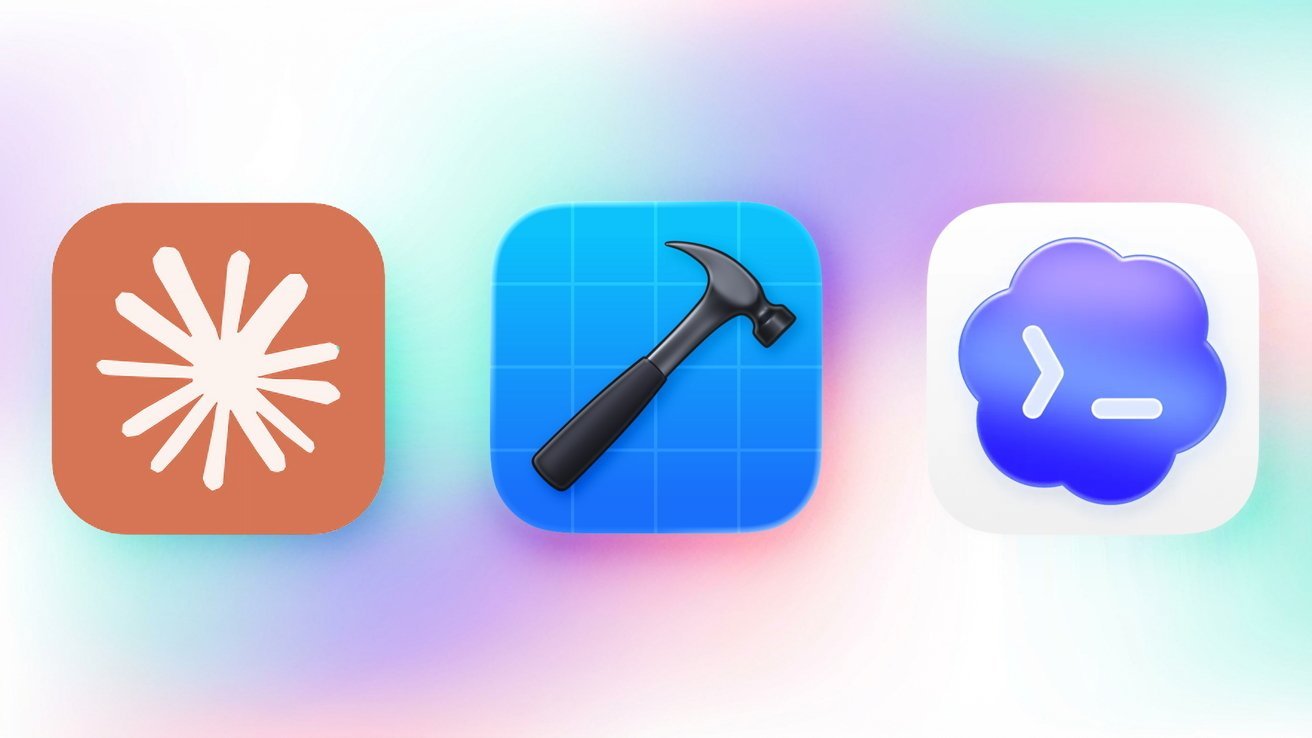
Apple is fundamentally reshaping the software development landscape by moving beyond simple code suggestions and into the era of autonomous creation. By integrating sophisticated AI agents directly into its development environment, the company is attempting to bridge the gap between a developer’s conceptual “vibe” and a fully functional application.
The centerpiece of this shift is the release of Xcode 26.3, which introduces “agentic coding.” Unlike previous iterations of AI assistance that focused on autocomplete or snippet generation, agentic coding allows AI systems to operate with a level of autonomy that can plan, execute and iterate on complex tasks. This evolution is complemented by ongoing research into Apple AI-assisted UI prototyping and new methodologies for image safety rating, signaling a broader strategy to automate the most tedious aspects of the app-building lifecycle.
For developers, So the barrier between an idea and a prototype is shrinking. By leveraging large language models (LLMs) that can navigate project architectures and verify their own work, Apple is positioning itself at the forefront of a movement often referred to as “vibe coding”—the practice of delegating the heavy lifting of software creation to AI while the human developer acts more as an orchestrator or creative director.
The Era of Agentic Coding: Xcode 26.3
The launch of Xcode 26.3 marks a significant departure from traditional integrated development environments (IDEs). According to Apple’s official newsroom, the update unlocks agentic coding by integrating powerful models such as Anthropic’s Claude Agent and OpenAI’s Codex directly into the workflow. These agents are not merely chatbots; they are integrated tools capable of tackling complex tasks autonomously.

The depth of this integration is unprecedented. Rather than simply answering questions based on provided snippets, these agents can now access the full context of a project. They possess the ability to search through documentation, explore file structures, and update project settings. Most notably, they can visually verify their progress by capturing Xcode Previews and iterating through builds and fixes without constant human intervention.
Further expanding the ecosystem, Xcode 26.3 is compatible with any tool or agent that utilizes the open standard Model Context Protocol (MCP), as reported by MacRumors. This openness suggests that Apple is not limiting its developers to a closed set of AI models, but is instead creating a standardized framework for how AI agents interact with the development environment.
From Logic to Layout: AI-Assisted UI Prototyping
While agentic coding handles the backend logic and project structure, Apple’s researchers are simultaneously exploring how AI can streamline the visual side of development. Recent research focuses on making UI design more intuitive through AI-assisted prototyping, allowing developers to generate user interfaces based on high-level descriptions—essentially bringing “vibe coding” to the visual layer.
This research aims to reduce the friction between a design mockup and a working prototype. By utilizing LLMs to interpret design intent, Apple is looking for ways to allow developers to iterate on UI layouts with the same speed and autonomy that they now apply to writing Swift code. The goal is to create a seamless loop where an AI agent can write the code, build the UI, and then visually verify that the result matches the developer’s intent.
Addressing Safety and Content Moderation
As Apple pushes deeper into generative AI, the company is also prioritizing the safety and ethical implications of AI-generated content. Parallel to its developer tools, Apple is exploring the apply of AI to evaluate the safety of images through the creation of new datasets for image safety rating.

This research is critical as AI-generated imagery becomes more common in app development and user-generated content. By developing more accurate safety ratings, Apple aims to build automated systems that can identify and filter unsafe content more effectively, ensuring that the tools provided to developers do not inadvertently facilitate the creation or distribution of harmful material.
Impact on the Software Development Lifecycle
The integration of these technologies represents a fundamental shift in the role of the software engineer. In a traditional workflow, a developer spends a significant portion of their time on “boilerplate” tasks—setting up project structures, debugging build errors, and manually adjusting UI elements. Agentic coding aims to automate these phases.
According to VentureBeat, the new system grants AI agents access to nearly every aspect of the development process. This includes the ability to:
- Autonomously write code: Generating entire functions or features based on a project’s existing architecture.
- Build and Test: Running projects directly and executing tests to ensure stability.
- Visual Verification: Taking image snapshots to check the UI and iterating on the design based on visual feedback.
- Documentation Access: Accessing Apple’s full, up-to-date developer documentation to ensure the use of current APIs.
This shift toward autonomy has sparked a wider debate in the tech industry regarding the future of software engineering. While some see “vibe coding” as a way to supercharge productivity and creativity, others express concerns over security and the potential loss of deep technical oversight. Yet, for Apple, the primary objective is clear: streamlining the workflow so developers can focus on high-level innovation rather than syntax and configuration.
Key Takeaways for Developers
| Feature | Capability | Supported Models/Standards |
|---|---|---|
| Agentic Coding | Autonomous task breakdown, file creation, and project building | Claude Agent, OpenAI Codex |
| Visual Verification | Capturing Xcode Previews and iterating on builds | Integrated Xcode Tools |
| Interoperability | Support for open-standard AI agent integration | Model Context Protocol (MCP) |
| UI Prototyping | AI-assisted design and layout generation (Research phase) | Internal LLM Research |
As of February 2026, Xcode 26.3 is available for download from Apple’s developer website. Developers are encouraged to explore the integration of Claude Agent and Codex to experience the transition toward agentic workflows firsthand.
With the foundation of agentic coding now in place, the next phase of Apple’s AI evolution will likely focus on the full integration of these UI prototyping and image safety research findings into the stable release cycle of its developer tools. We will continue to monitor official Apple developer updates for the rollout of these research-driven features.
Do you think agentic coding will replace traditional programming, or is it simply a more powerful tool for the modern developer? Share your thoughts in the comments below.
Related reading
- Space Mirrors: Reflect Orbital’s Plan to Beam Sunlight Could End the Night Sky
- CERN Scientists Recreate “Little Big Bang” Using Light Atomic Nuclei
- UAPD Hosts Avoid, Deny, Defend Safety Training at Arkansas Union (archyde.com)
- Cork Food Safety Alert: Two Firms Hit with Prohibition Orders (archyworldys.com)