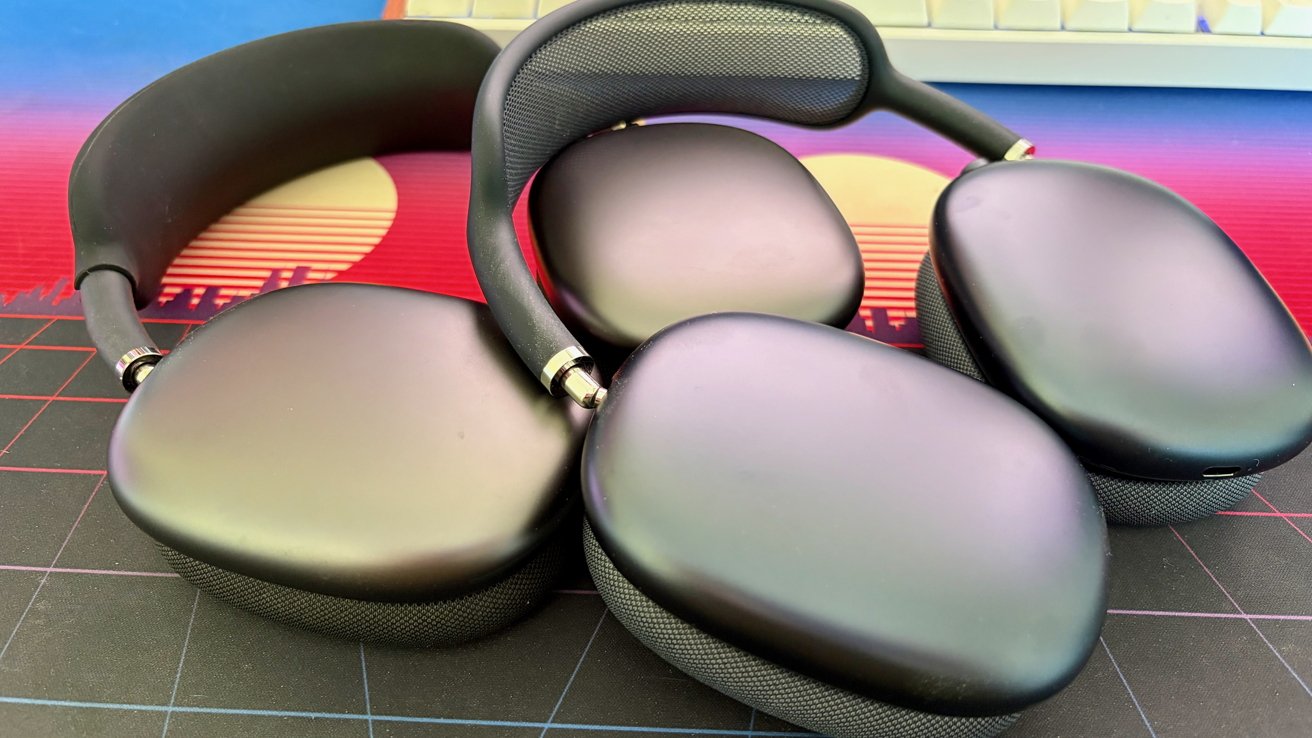
After a full month of rigorous daily use, the central question surrounding the AirPods Max 2
remains: is there actually a difference? When Apple first unveiled these premium over-ear headphones in March 2026, the promise was centered on internal intelligence rather than external aesthetics. For those of us who have lived with the original model since 2020, the experience of transitioning to the second generation is a study in subtlety.
From a distance, the AirPods Max 2 are virtually indistinguishable from their predecessor. The iconic silhouette, the aluminum earcups, and the knit-mesh canopy remain intact. However, beneath the surface, Apple has swapped the aging silicon for the H2 chip, a move that brings several high-profile features from the AirPods Pro 2 to the over-ear form factor. While these upgrades are technically significant, the real-world impact is a nuanced blend of “noticeable” and “negligible.”
For the average user, the AirPods Max 2 offer a refined version of an already high-performing product. But for the power user or the current owner of the original Max, the value proposition is thinner. The hardware remains largely the same, meaning the “upgrade” is almost entirely computational. Whether that justifies the premium price tag is the core of the debate as we evaluate the device’s performance a month into its release.
The H2 Chip: Intelligence Over Aesthetics
The defining characteristic of the AirPods Max 2 is the integration of the H2 chip. This hardware shift allows Apple to implement Adaptive Audio
, a feature that dynamically blends Transparency mode and Active Noise Cancellation (ANC) based on the environment. In practice, Which means the headphones can sense when you are walking into a noisy subway station and tighten the noise isolation, then pivot back to transparency when you begin a conversation with a colleague.
Equally impactful is the introduction of Conversation Awareness
. This feature automatically lowers the volume of your media and dims ANC the moment you start speaking, allowing you to interact with others without removing the headset. According to Apple’s official announcement, the H2 chip also enables Voice Isolation and Live Translation, capabilities that were previously absent from the over-ear lineup.
While these features add undeniable utility, they don’t change the fundamental way the headphones perceive or sound. The audio profile remains consistent with the original’s neutral, balanced signature. While the H2 chip provides “elevated sound quality” and improved computational audio, the difference is often imperceptible unless you are listening to high-fidelity tracks in a controlled environment.
ANC Performance and the USB-C Transition
One of the most requested updates was a move away from the proprietary Lightning connector. The AirPods Max 2 finally embrace USB-C for charging and audio, which simplifies the cable ecosystem for users of the iPhone 15 and 16 series, as well as MacBooks. More importantly, the USB-C port now supports lossless audio and ultra-low latency audio, a critical win for the podcasters and musicians Apple is targeting with this release.
The Active Noise Cancellation has also seen a boost. While the original Max was already a leader in blocking out low-frequency hums, the H2-powered ANC is more aggressive in the mid-range. It handles the unpredictable chatter of a coffee shop with slightly more grace than the first generation. However, the “boost” is incremental. If you are already satisfied with the original’s ability to silence a plane cabin, you are unlikely to feel a transformative shift here.
Comparison: AirPods Max (1st Gen) vs. AirPods Max 2
| Feature | AirPods Max (Original) | AirPods Max 2 |
|---|---|---|
| Processor | Apple H1 | Apple H2 |
| Charging Port | Lightning | USB-C |
| Adaptive Audio | Not Available | Supported |
| Conversation Awareness | Not Available | Supported |
| Audio Support | Standard AAC | Lossless Audio (via USB-C) |
The Verdict: To Upgrade or Not?
After thirty days of testing, the “spot the difference” game reveals a frustrating truth: the differences are almost entirely invisible. The build quality, the weight, and the legendary (if polarizing) “SmartCase” remain exactly as they were. For those who do not own the original AirPods Max, these are still some of the best premium headphones on the market, retailing for $549.
However, for existing owners, the incentive to upgrade is slim. Unless you are desperate for a USB-C port or specifically need the Adaptive Audio and Live Translation features for your workflow, the original model continues to perform admirably. Apple has effectively delivered a “Pro” internal update in a “Classic” external shell. It is a safe, conservative release that prioritizes stability and ecosystem integration over innovation.
Key Takeaways for Buyers
- New Buyers: The AirPods Max 2 are a fantastic entry point into premium ANC headphones with future-proof USB-C connectivity.
- Original Owners: Stick with your current pair unless the lack of USB-C or Adaptive Audio is a genuine pain point in your daily routine.
- Audiophiles: The addition of lossless audio via USB-C is the most compelling reason to consider the switch.
- Design: Expect zero changes to the physical footprint, weight, or available colorways.
As we appear forward, the industry is shifting toward more integrated AI-driven audio experiences. While the H2 chip lays the groundwork for this, it feels like Apple is playing a waiting game. We expect further software refinements to the H2’s capabilities via firmware updates throughout the remainder of 2026.
Do you think the H2 chip and USB-C are enough to justify a new pair of headphones, or is the design too stagnant? Share your thoughts in the comments below and let us know if you’ve made the switch.