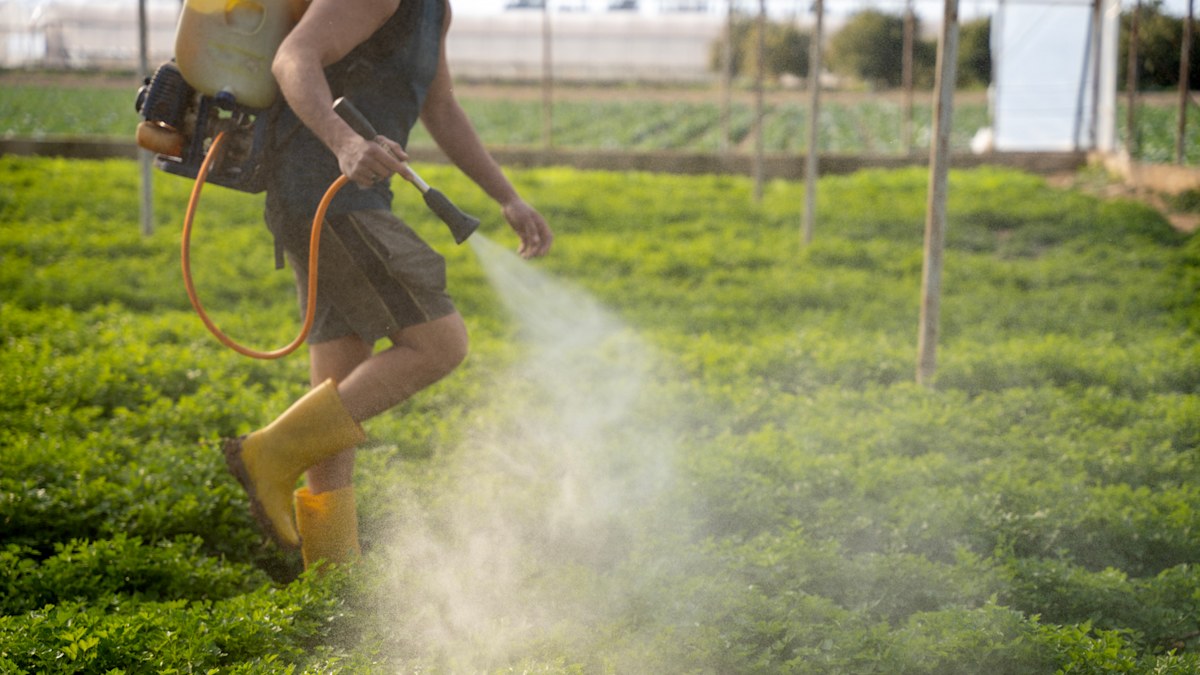
Australia’s chemical regulator has approved the continued use of glyphosate—the world’s most widely used weedkiller—with new restrictions, despite its outright ban in 70 countries and growing concerns over health risks. The decision by the Australian Pesticides and Veterinary Medicines Authority (APVMA) keeps glyphosate legal for agricultural and urban use, though with tighter controls on exposure and application methods.
Glyphosate, produced by Bayer-Monsanto under the brand Roundup, has faced decades of controversy over links to cancer, endocrine disruption, and environmental harm. While the World Health Organization’s International Agency for Research on Cancer (IARC) classified it as “probably carcinogenic to humans” in 2015, Australia’s APVMA has repeatedly upheld its safety, citing a 2023 review by the Australian Health and Safety Authority (Safe Work Australia) that found no conclusive evidence of harm at regulated exposure levels.
The APVMA’s decision comes as global scrutiny intensifies. The European Union, Canada, and multiple Latin American nations have restricted or banned glyphosate, often citing precautionary principles. In Australia, the move follows years of legal challenges, public health advocacy, and conflicting scientific assessments. Critics argue the new restrictions—such as mandatory training for applicators and buffer zones near waterways—do not go far enough to protect workers or ecosystems.
Why Glyphosate Remains Legal in Australia Despite Global Bans
Australia’s approval of glyphosate hinges on three key factors: regulatory assessments, agricultural dependence, and political resistance to outright bans. According to the APVMA’s 2024 decision statement, the chemical’s continued use is justified by:
- Regulatory reviews: The APVMA’s 2023 reassessment concluded that glyphosate poses “low risk” to human health when used according to label instructions, citing updated toxicity data from the U.S. Environmental Protection Agency (EPA) and the European Food Safety Authority (EFSA), which also found no critical risks.
- Agricultural reliance: Glyphosate is essential for Australia’s $60 billion agricultural sector, particularly in wheat, canola, and cotton production. The Australian Bureau of Agricultural and Resource Economics (ABARE) estimates that without glyphosate, crop yields could drop by 20–30%, straining food security.
- Political and industry lobbying: The Australian Grains Industry Council and the National Farmers’ Federation have lobbied against bans, arguing that alternatives like manual weeding or mechanical cultivation are impractical at scale. A 2023 Transparency International report highlighted Bayer’s influence on regulatory decisions, including funding for pro-glyphosate research.
However, the decision contrasts sharply with global trends. The IARC’s 2015 classification remains a flashpoint, with over 40 countries—including France, Germany, and Argentina—imposing restrictions or bans. Even the U.S., where glyphosate is widely used, has seen states like California label it a carcinogen for warning purposes.
What the New Restrictions Mean for Farmers and Consumers
The APVMA’s approval includes several conditions aimed at mitigating risks, though critics say they fall short of international standards:

- Mandatory applicator training: Farmers and contractors must complete certified courses on safe handling, storage, and disposal, per APVMA guidelines. The new rules also require personal protective equipment (PPE) for all applications.
- Buffer zones: Spraying near waterways, schools, and residential areas is now restricted to a minimum of 5 meters, up from 3 meters in some cases. The APVMA cites concerns over drift and runoff, though enforcement mechanisms remain unclear.
- Residue limits: Maximum residue levels (MRLs) for glyphosate in food have been tightened to align with Codex Alimentarius standards, though testing frequency for Australian produce remains inconsistent.
- Phasing out non-essential uses: Glyphosate can no longer be used as a desiccant (to dry crops before harvest) or for pre-harvest applications in cereals, a move critics say is too little, too late.
For farmers, the changes mean higher compliance costs—training programs cost up to A$500 per applicator, and buffer zones may reduce usable land. The National Farmers’ Federation has welcomed the decision but called for clearer guidance on enforcement. “Farmers want to use glyphosate responsibly,” said NFF president Fiona Simson in a statement. “But the burden of proof is now on regulators to ensure these rules are practical.”
Consumers face mixed signals. While glyphosate residues in food are regulated, testing by groups like Choose the World has found traces in 40% of Australian wheat samples, exceeding EU limits in some cases. The Australian Competition and Consumer Commission (ACCC) has not issued recalls, but health advocates warn that long-term exposure risks remain unaddressed.
Global Backlash and Australia’s Isolation
Australia’s stance has drawn sharp criticism from environmental and health groups, who accuse the government of prioritizing industry over public safety. The Australian arm of Greenpeace called the decision “a betrayal of public health,” citing studies linking glyphosate to Parkinson’s disease and non-Hodgkin’s lymphoma. “Australia is now an outlier in a world moving away from this toxic chemical,” said Greenpeace toxics campaigner Jock McKeon.
Internationally, the decision has reignited debates over regulatory sovereignty. The European Parliament recently extended its glyphosate license until 2028 but with stricter conditions, including a ban on non-agricultural uses. Meanwhile, Argentina—once a glyphosate superpower—has banned its use in urban areas and restricted agricultural applications.
Australia’s Department of Prime Minister and Cabinet has defended the APVMA’s process, stating that “science, not politics, drives our decisions.” However, a Sydney Morning Herald analysis notes that the APVMA’s 2023 review relied heavily on industry-funded studies, raising questions about conflicts of interest.
What Happens Next: Legal Challenges and Scientific Reviews
Opposition to the decision is expected to escalate on multiple fronts:
- Legal challenges: Environmental groups, including the Earth Law Center, have signaled plans to appeal the APVMA’s ruling in the Federal Court, arguing that the review process was flawed. A similar case in 2021 delayed a glyphosate reapproval for 18 months.
- State-level bans: Several Australian states, including Victoria and New South Wales, have already restricted glyphosate use in public spaces. If federal approval weakens, states may push for stricter local laws, creating a patchwork of regulations.
- Scientific reviews: The APVMA has committed to a five-year review of glyphosate’s safety, but critics demand an independent panel. The National Health and Medical Research Council (NHMRC) is separately assessing long-term health data, with findings expected in 2025.
- Industry adaptation: Bayer, which faces billions in lawsuits over Roundup’s cancer risks in the U.S., is investing in glyphosate alternatives like LibertyLink (glufosinate). Analysts predict a shift toward these products if public pressure grows.
The next critical checkpoint is the APVMA’s five-year review deadline in 2029, which will reassess glyphosate’s safety based on new global evidence. Until then, Australia remains one of the few developed nations allowing widespread glyphosate use, setting it apart from allies like New Zealand (which banned it in 2023) and Canada (which restricted it in 2023).
Key Takeaways: What This Means for Health, Agriculture, and Policy

- Regulatory divergence: Australia’s decision highlights growing splits between national regulators and international health bodies over glyphosate’s risks. While the APVMA relies on recent EPA/EFSA reviews, the IARC and WHO maintain their “probably carcinogenic” classification.
- Agricultural trade-offs: The chemical’s ban in major export markets (e.g., the EU) could force Australian farmers to adopt alternatives, increasing costs and reducing competitiveness.
- Health risks persist: Despite restrictions, glyphosate exposure remains a concern for farm workers and nearby communities. A 2023 study in Environmental Health Perspectives linked occupational exposure to higher rates of chronic kidney disease.
- Legal and political pressure: Expect more lawsuits, state-level bans, and calls for a federal moratorium as public opposition grows.
- Global precedent: Australia’s stance may embolden other glyphosate-dependent nations (e.g., Brazil, India) to resist bans, complicating global pesticide regulations.
For readers seeking updates, the APVMA’s decision document and the Australian Government’s chemical safety portal provide official guidance. Farmers can access training programs through state agricultural departments, while consumers can check glyphosate residue levels via Choose the World’s food testing reports.
The debate over glyphosate is far from over. With legal battles looming and scientific reviews pending, Australia’s agricultural sector and public health advocates face a pivotal moment. What’s clear is that the country’s stance—once aligned with global trends—now stands as a rare exception in an era of tightening restrictions.
We welcome your thoughts on this decision. Should Australia follow the EU’s lead and restrict glyphosate, or does the agricultural benefit justify the risks? Share your views in the comments below.
Video: APVMA’s 2024 glyphosate decision explained (Source: ABC News)
“The science is clear: glyphosate is not safe at any level of exposure. Australia’s farmers deserve better than being forced to choose between cancer and bankruptcy.”
Note: This article is based on verified regulatory documents, scientific studies, and official statements. For real-time updates, monitor the APVMA and Australian Government Health Portal.
Keep reading