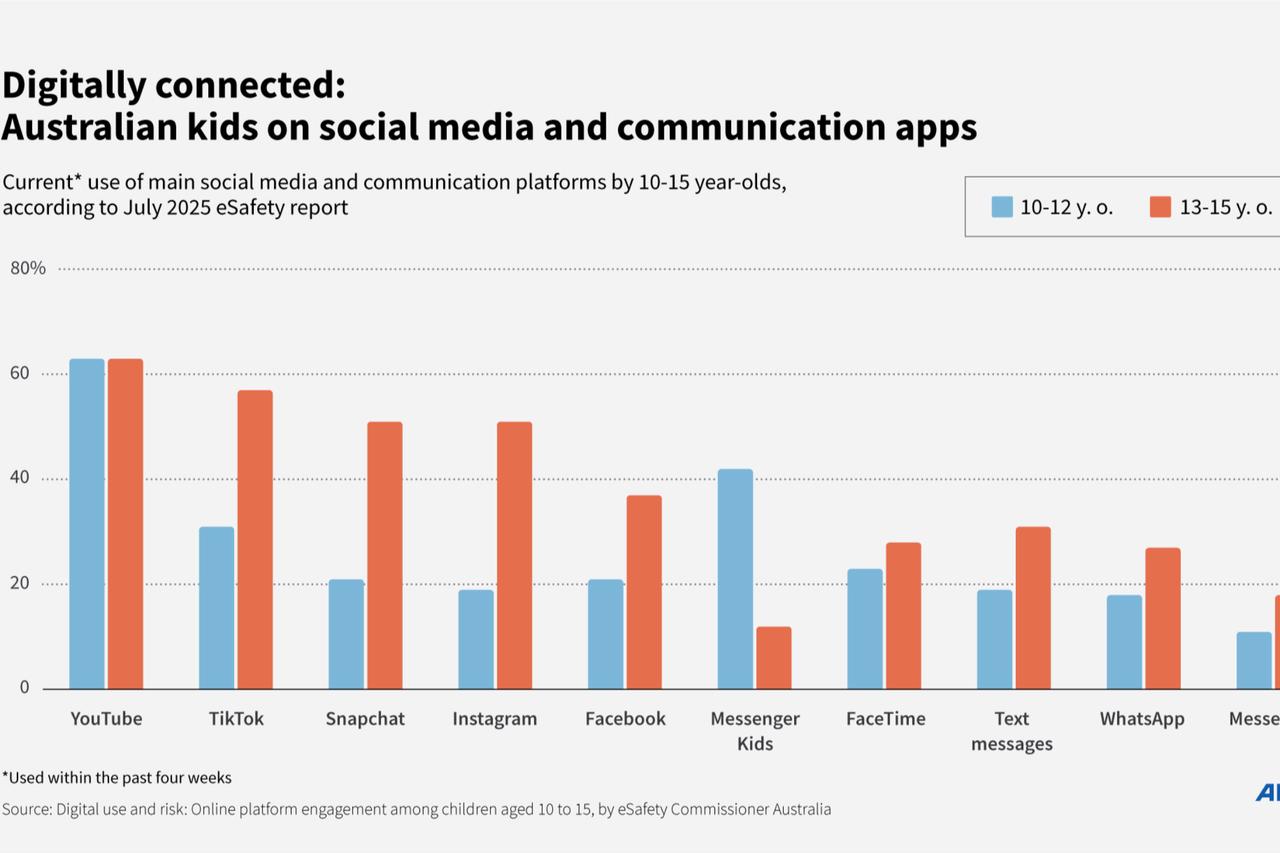
Australian teenagers are increasingly utilizing virtual private networks (VPNs) and other technical workarounds to bypass the nation’s strict social media ban for users under 16. Following the implementation of the Online Safety Amendment (Social Media Minimum Age) Act 2024, which mandated that platforms restrict access for minors, early data suggests that enforcement remains a significant challenge for both regulators and technology providers.
The legislation, which formally took effect in early 2025, requires social media companies to implement robust age-verification systems or face substantial financial penalties. However, digital literacy among younger demographics has allowed many to circumvent these geographic and identity-based blocks, according to preliminary reports from cybersecurity analysts and digital rights researchers tracking platform traffic patterns.
Technical Evasion and the Role of VPNs
The primary method identified by researchers for bypassing the age restrictions involves the use of VPNs, which mask a user’s internet protocol (IP) address to make their device appear as though it is connecting from a jurisdiction where the ban is not in effect. By routing traffic through servers in countries without similar age-gating requirements, teenagers are effectively neutralizing the geo-blocking measures implemented by major social media platforms.
According to data from the eSafety Commissioner, the regulatory body tasked with overseeing the enforcement of the act, companies were required to demonstrate “reasonable steps” to prevent access for those under 16. While platforms have introduced facial estimation technology and document-based verification, these systems have proven susceptible to manual overrides or spoofing, as documented in initial compliance audits conducted by independent digital safety groups.
Regulatory Challenges and Platform Compliance
The Australian government’s approach to the ban centers on shifting the burden of verification onto private corporations. Under the policy framework established by the Department of Infrastructure, Transport, Regional Development, Communications and the Arts, companies failing to meet these standards can be subject to significant fines. The challenge, however, lies in the cat-and-mouse nature of digital security.
Industry observers note that while platforms have invested in automated age-assurance tools, the speed at which workarounds emerge often outpaces the updates to the verification software. The effectiveness of the ban is currently being monitored through a series of government-mandated reviews, which are intended to assess the impact on youth mental health and online safety—the stated primary objectives of the legislation. Official reports indicate that the government is currently reviewing these initial usage statistics to determine if further legislative tightening or stronger enforcement mandates are required.
Impact on Youth Digital Habits
Beyond the technical evasion, the ban has prompted a broader discussion regarding the influence of social media on adolescent development. The Senate Select Committee on Social Media and Australian Society conducted extensive hearings prior to the passage of the law, highlighting concerns regarding algorithmic radicalization, cyberbullying, and body image issues. These hearings provided the evidentiary basis for the government’s decision to pursue a strict age-gating approach rather than relying solely on educational initiatives.
While some advocates argue that the ban serves as a necessary protective measure, critics point out that it may inadvertently push younger users toward less regulated, encrypted messaging platforms or “dark social” spaces where moderation is virtually non-existent. These concerns remain a focal point of ongoing public debate, as parents and educators weigh the benefits of restricted access against the reality of digital circumvention.
Next Steps in Enforcement
The next major milestone for the policy is the submission of comprehensive compliance reports by social media companies, due to the Office of the eSafety Commissioner later this year. These reports are expected to provide the first verified data set regarding the success rate of age-verification tools and the prevalence of unauthorized access attempts.
As the government continues to evaluate the effectiveness of the current regulatory framework, stakeholders are encouraged to monitor updates from the eSafety Commissioner’s office. Public participation in upcoming parliamentary inquiries remains open, and those interested in the ongoing impact of these measures can find official guidance and documentation on the government’s dedicated safety portals. We welcome your thoughts on how digital policy should balance safety with accessibility in the comment section below.
Worth a look
- Ex-Fundación San José Official Sentenced to 3 Years for Fake Degrees Case
- Tony Burke Confirms Ex-ASIO Agent’s Testimony Can Be Heard in Public
- China and African Nations Sign AI and Digital Media Deal in Beijing (time.news)
- Tennessee Schools Shift to Virtual Learning and Early Dismissal Due to Extreme Heat (news-usa.today)