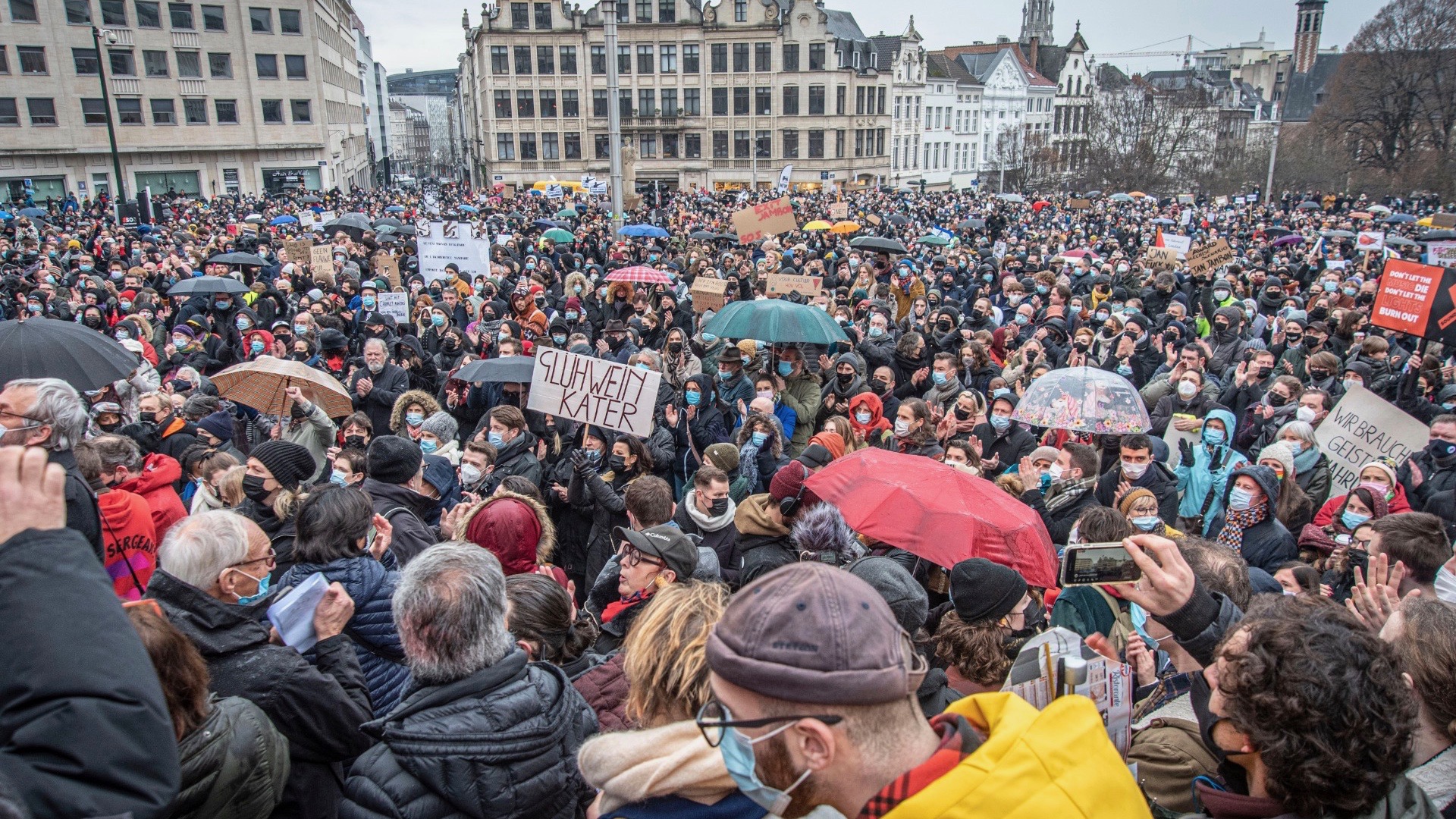
Arts workers in the French-speaking community of Belgium are expressing significant opposition to recent pension reforms, citing concerns that the new regulations fail to account for the fragmented and unpredictable nature of creative careers. The discontent, which has manifested in public protests and vocal criticism of government officials, centers on how pension calculations and eligibility requirements interact with the intermittent professional status common among artists, performers, and technical staff in the cultural sector.
According to reports from the national broadcaster RTBF, representatives from the arts sector argue that the current pension framework does not adequately accommodate the irregular income patterns and periods of inactivity inherent in their profession.
The Impact of Pension Reforms on Cultural Workers
The tension reached a visible peak during recent public appearances by government officials, including instances where Elisabeth Degryse faced vocal opposition while attending events such as the Avignon Festival. As reported by L’Echo, Degryse has defended the government’s position, asserting that the reforms are not intended to abandon the arts community but rather to modernize the social security framework. Despite these assurances, many in the sector remain skeptical, pointing to the specific challenges faced by “invisible” workers, such as family caregivers who often overlap with the creative workforce and risk being doubly disadvantaged by the new rules.
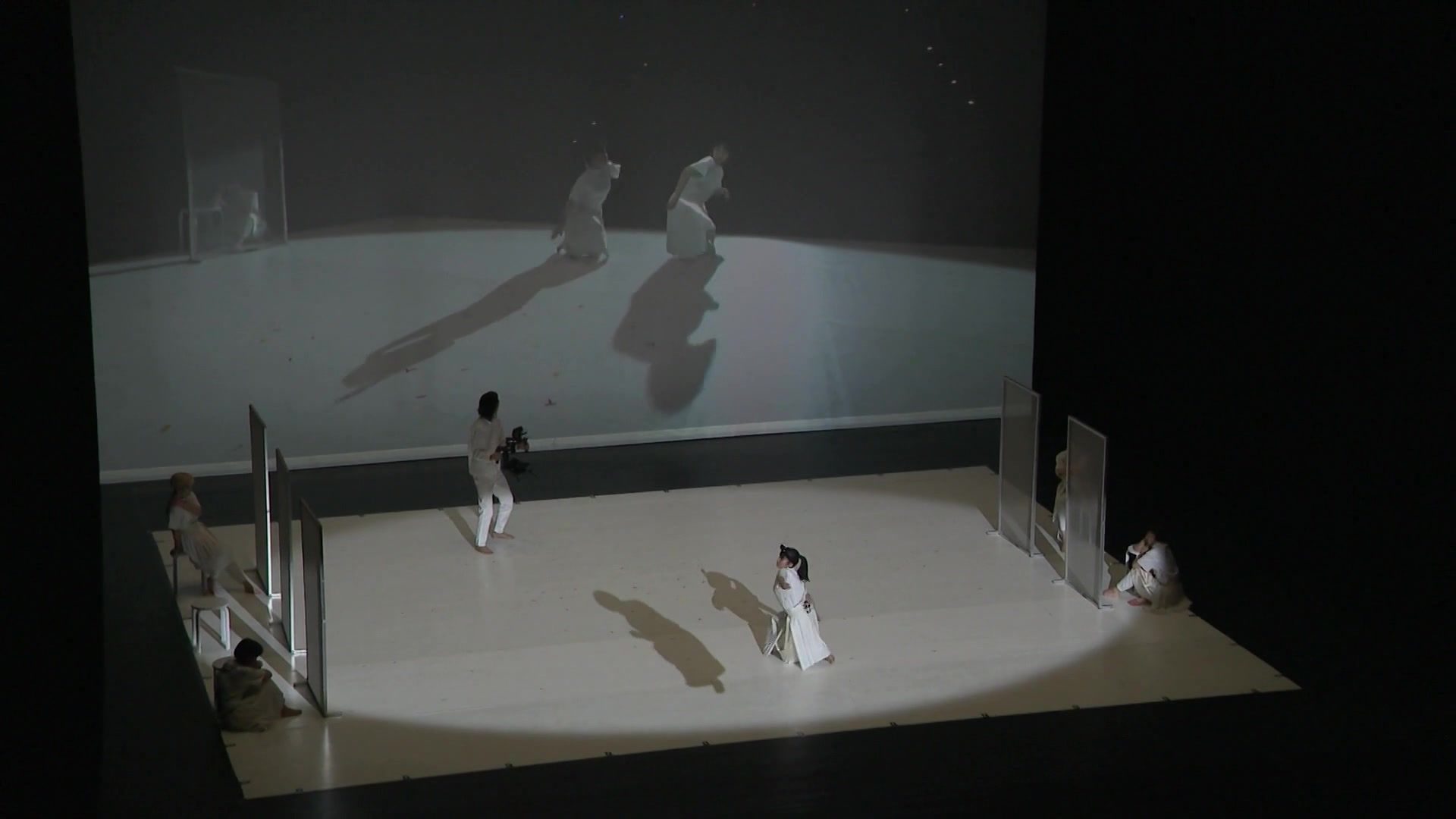
The concerns are multifaceted. Beyond the direct impact on pension accrual, there is a broader anxiety regarding the stability of social protections for those who contribute to the cultural vibrancy of the region. As noted in coverage by La Libre Belgique, the Belgian francophone theater scene is recognized for its “audacious and generous” contributions to the arts, yet practitioners fear that the current legislative direction threatens the sustainability of these careers.
Institutional Responses and Support Mechanisms
In an effort to provide more structured support for the sector, the Wallonia-Brussels Federation (FWB) has initiated the creation of a dedicated “House of Arts Workers” (Maison des travailleuses et travailleurs des arts). According to information from BruxellesToday, this initiative aims to centralize resources, provide professional guidance, and serve as a liaison between the arts community and administrative bodies. The facility is intended to help workers navigate the complex landscape of social security, including the specific hurdles created by ongoing pension and status reforms.
However, the current pension reform debate indicates a gap between administrative intent and the lived reality of those in the field. While the FWB promotes the new center as a bridge for communication, arts unions continue to demand clearer guarantees that their specific professional circumstances will be factored into national pension policy.
Next Steps for Policy Dialogue
The dialogue between the arts sector and the federal government remains active as stakeholders look toward further legislative clarification. For those affected, the primary recourse remains engagement through established professional associations and the newly forming networks supported by the FWB.
We invite our readers to share their perspectives on this issue in the comments section below. As this situation develops, we will continue to monitor the impact of these policies on the cultural sector and provide updates based on verified government disclosures.
Worth a look