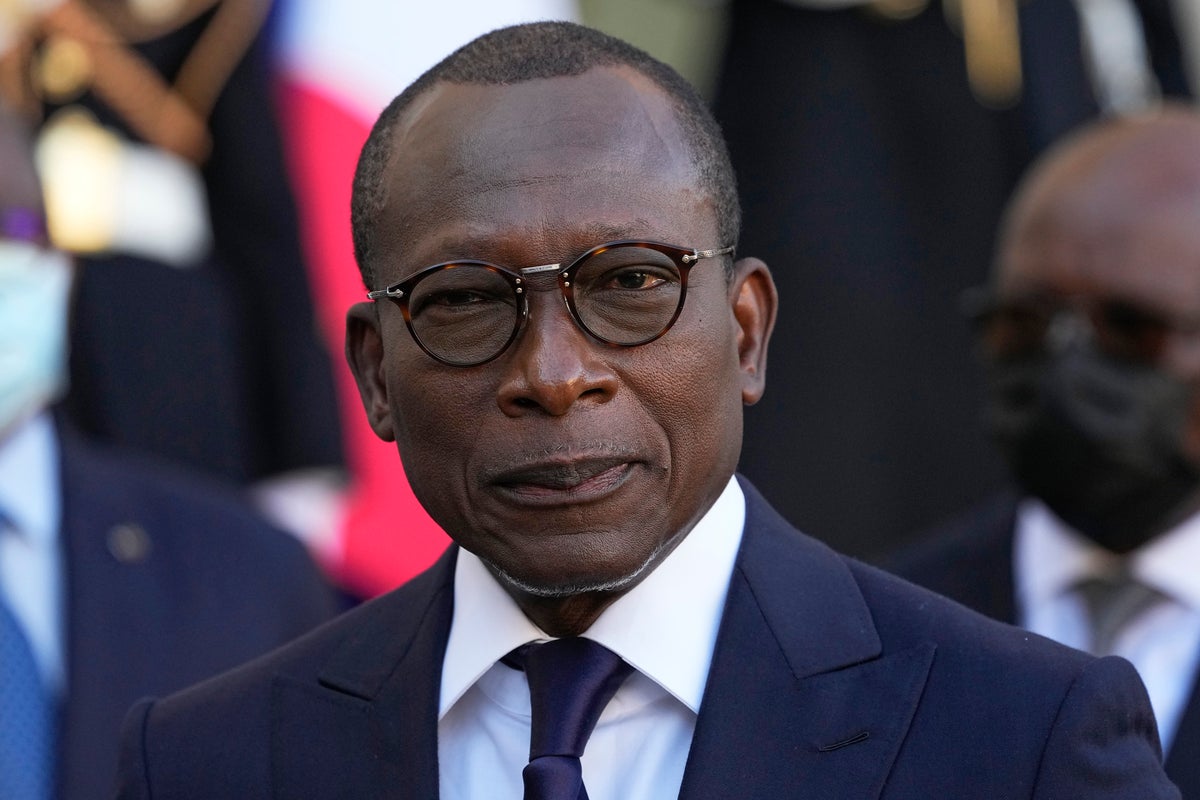
Benin Foils Apparent Coup Attempt, Government Regains Control
Benin’s government has announced it has successfully regained control following a reported attempt by a faction within the military to overthrow the administration. The unfolding events mark the latest instance of political instability in West Africa, a region grappling with a surge in coup attempts.
A group of soldiers announced the dissolution of the government via state television on Sunday morning, sending ripples of concern throughout the nation and internationally. However, officials were quick to assert that the situation is now contained.
A Brief Timeline of Events
* Sunday morning: Soldiers declared the removal of President Patrice Talon and the dissolution of all state institutions on national television.
* Immediate Response: The government swiftly responded, stating the attempt was underway but being managed.
* Control Regained: Authorities confirmed regaining control, with the focus on securing key infrastructure.
According to Foreign Minister Olushegun Adjadi Bakari, the unrest was instigated by a small contingent of military personnel. He emphasized that a significant portion of the armed forces remained loyal to the government and actively worked to restore order.
“Now it’s a small group of military,” Bakari stated. “A large part of the army is still loyalist and we are taking over the situation.”
The group responsible, identifying themselves as the Military Committee for Refoundation, claimed to have suspended the constitution and halted all political activities. They broadcast a statement outlining their commitment to ushering in a “new era” characterized by “fraternity, justice and work.”
The soldiers, some wearing helmets, briefly seized control of state television, but the broadcast signal was quickly cut.
Context: A Region on Edge
This incident arrives amidst a worrying trend of instability in West Africa. As 2020,the region has experienced nine coup attempts,including a recent one in Guinea-Bissau in November. This latest event underscores the fragility of democratic institutions and the growing challenges facing governments in the area.
President Talon, who has been in power since 2016, is scheduled to step down next April following the upcoming presidential election. His decision to honor term limits is a relatively uncommon practice in the region, where leaders often seek to extend their rule.
Recently, Benin’s ruling coalition nominated Finance Minister Romuald Wadagni as its presidential candidate. This move signals a continuation of the current administration’s economic policies and reform agenda.
You might be wondering what this means for the future of Benin. While the immediate threat appears to have been neutralized, the underlying factors contributing to this unrest – including economic grievances and political tensions – will need to be addressed to ensure long-term stability.
It’s crucial to remember that a stable Benin is vital not only for its citizens but also for the broader security and prosperity of West Africa. The international community will be watching closely as the nation navigates this challenging period.