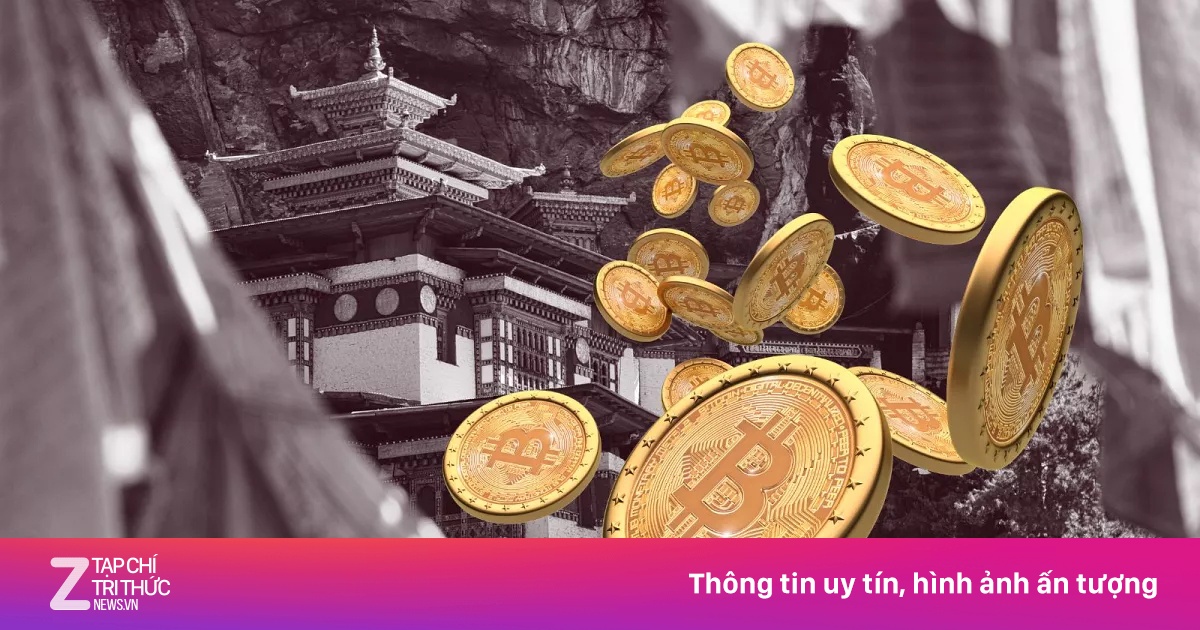
Bhutan’s Bold Bet on Bitcoin: A Himalayan Kingdom’s Green Crypto Strategy
Thimphu, Bhutan – In a quiet but determined move, the Kingdom of Bhutan is forging a unique path in the world of digital assets, leveraging its abundant hydropower resources to build a sovereign, low-carbon Bitcoin economy. What began as a discreet initiative in 2019 has evolved into a national strategy aimed at bolstering the country’s financial resilience and fostering technological development. Bhutan is essentially turning surplus electricity into a liquid digital export, a strategy that sets it apart from many other nations grappling with the energy demands of cryptocurrency mining. This approach, underpinned by tight state oversight, is positioning Bhutan as a potential leader in sustainable Bitcoin production.
The nation’s foray into Bitcoin mining isn’t driven by speculative fervor, but rather by pragmatic economic considerations. Bhutan generates significantly more hydropower than its small population requires. Traditionally, this surplus energy has been exported, primarily to India. However, the government recognized an opportunity to add value by converting this excess electricity into Bitcoin, effectively creating a digital asset that can serve as a foreign currency reserve and support government finances. This strategy is particularly appealing given Bhutan’s limited domestic demand for electricity and its desire to diversify its economic base.
Harnessing Hydropower for a ‘Green’ Bitcoin Economy
Bhutan’s energy system is overwhelmingly dominated by hydropower, a clean and renewable energy source. The country’s leadership views expanded hydropower capacity as crucial for scaling its “green” crypto ambitions. Reportedly, Bhutan possesses a technically and economically viable hydropower potential of 33,000 megawatts (MW), while its current domestic demand is only around 1,000 MW, creating a substantial surplus. Cointelegraph details how this surplus is being strategically utilized.
The initiative is spearheaded by Druk Holding and Investments (DHI), the sovereign wealth fund of Bhutan. In May 2023, DHI announced a partnership with Bitdeer to launch a closed-end fund of up to $500 million dedicated to carbon-neutral digital asset mining operations. Edgen.tech reports that this fund is the cornerstone of Bhutan’s strategy to monetize its hydroelectric power. The government views its abundant hydropower as a “computing fuel,” transforming otherwise wasted electricity into a liquid digital asset.
This isn’t simply about generating revenue; Bhutan is approaching Bitcoin as a strategic financial buffer. Officials describe mined Bitcoin as a “battery” for the nation’s seasonal electricity network, providing liquidity and stability. The benefits of these cryptocurrency activities have already begun to materialize, with officials stating that proceeds have contributed to funding government salaries over the past two years. This demonstrates the direct fiscal impact of the strategy.
A Phased Approach and Regulatory Framework
Bhutan’s approach to cryptocurrency is cautious and controlled. The central bank permits crypto activity only under a phased, sandbox-style framework linked to Gelephu Mindfulness City, a recent economic zone designed to attract foreign investment and promote innovation. This framework emphasizes risk control and transparency, ensuring that the country’s foray into digital assets is managed responsibly. The focus is on establishing clear regulatory guardrails to mitigate potential risks and protect the financial system.
Mining and custody of Bitcoin are confined to designated jurisdictions and handled exclusively by DHI, limiting retail exposure and maintaining state control. This centralized approach distinguishes Bhutan’s strategy from the often-unregulated and speculative nature of the broader cryptocurrency market. The government’s intention is to build a sustainable and values-driven “green digital assets” strategy, rather than encouraging widespread retail speculation.
Recent Sales and Current Holdings
Despite the long-term vision, Bhutan has begun to strategically reduce its Bitcoin holdings. According to data analyzed by CoinDesk, the nation has sold approximately $42.5 million worth of Bitcoin and USDT so far in 2026. This has resulted in a significant reduction in its reserves, from a peak of around 13,000 BTC in late 2024 to approximately 5,400 BTC as of March 10, 2026 – a 58% decrease.
These sales are being executed through a small number of recurring counterparties, notably QCP Capital, suggesting a planned strategy of cash management and liquidity rather than a panicked sell-off. Given Bhutan’s near-zero mining costs, each sale effectively represents a pure profit. The consistent transfers to specific addresses indicate a deliberate and ongoing process of reducing the national Bitcoin stack.
Implications and Future Outlook
Bhutan’s experiment with Bitcoin is attracting attention globally, particularly from countries seeking innovative ways to leverage renewable energy resources. The nation’s success could serve as a model for other nations with abundant clean energy and limited domestic demand, demonstrating the potential to transform surplus electricity into valuable digital assets. However, the volatility of the cryptocurrency market remains a key risk factor.
The ongoing sales of Bitcoin, while currently profitable, raise questions about the long-term strategy. While officials have not publicly stated the reasons for the reduction in holdings, This proves likely driven by a combination of factors, including the need for liquidity to fund government spending and a desire to manage risk. The future of Bhutan’s Bitcoin strategy will depend on its ability to navigate the evolving cryptocurrency landscape and maintain a balance between maximizing profits and ensuring financial stability.
The next key development to watch is the continued monitoring of Bhutan’s Bitcoin holdings and the impact of its sales on the broader cryptocurrency market. Further insights into the government’s long-term strategy are expected to emerge as the Gelephu Mindfulness City project progresses and the regulatory framework for digital assets becomes more established. The world will be watching to see if this small Himalayan kingdom can successfully build a truly “green” Bitcoin economy.
What are your thoughts on Bhutan’s innovative approach to Bitcoin? Share your comments below and join the conversation.