
The Brazilian government has formally requested a $2.9 million grant from the Inter-American Development Bank (IDB) to bolster national reforestation efforts and biodiversity conservation. This funding proposal marks a strategic step in Brazil’s broader environmental agenda, which seeks to integrate sustainable land management with international financial support to combat deforestation and restore degraded ecosystems.
According to official project documentation, the resources are earmarked for targeted interventions in key biomes, aiming to improve ecological connectivity and support local communities reliant on forest resources. The IDB, which maintains a significant portfolio in Latin American sustainability initiatives, is currently reviewing the technical feasibility and environmental impact assessments associated with the request. The proposal underscores the ongoing collaboration between the South American nation and multilateral development institutions to meet climate commitments under the Paris Agreement.
Strategic Alignment with Environmental Targets
The request for financial assistance comes as Brazil faces persistent pressure to curb high rates of deforestation in the Amazon and the Cerrado. The Inter-American Development Bank (IDB) has historically acted as a primary financier for projects involving sustainable agriculture, water management, and climate resilience in the region. By securing this $2.9 million injection, the Brazilian government intends to scale its current reforestation pilot programs into more comprehensive landscape restoration strategies.
This initiative is not an isolated effort but part of a larger policy framework designed to align Brazil’s environmental compliance with international environmental, social, and governance (ESG) standards. As reported by the IDB’s project repository, the bank evaluates such requests based on a rigorous set of criteria, including long-term project viability, transparency in fund allocation, and the potential for measurable carbon sequestration. The involvement of the IDB ensures that technical oversight is maintained throughout the project lifecycle, a requirement that remains standard for all climate-linked development grants provided by the institution.
Project Scope and Implementation
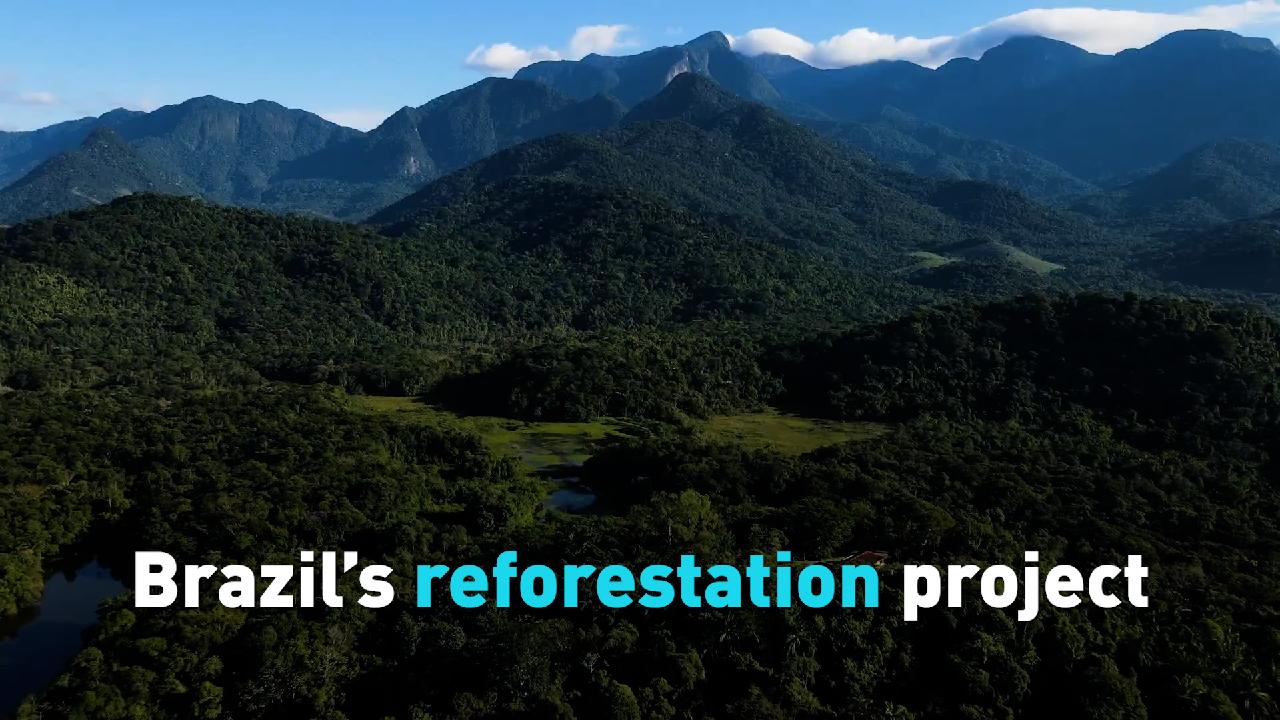
The proposed reforestation project focuses on the restoration of degraded areas through the planting of native species and the implementation of agroforestry systems. These systems are designed to provide both environmental benefits—such as soil stabilization and water table replenishment—and economic benefits for local smallholder farmers. By transitioning from traditional land-use practices to sustainable agroforestry, the project aims to reduce the economic incentive for illegal logging and land clearing.
Implementation will likely involve coordination between federal environmental agencies and regional stakeholders to ensure that the restoration efforts are localized and culturally appropriate. The IDB’s involvement typically requires that the recipient government demonstrate local engagement, particularly with indigenous communities and traditional populations who manage significant portions of Brazil’s forested territory. The monitoring of these areas will be conducted through satellite imagery and field audits, providing a verifiable record of the project’s progress in achieving its reforestation targets.
Broader Context of Multilateral Climate Financing
International climate financing remains a contentious but critical element of global efforts to mitigate the effects of climate change. For Brazil, accessing funds from the Inter-American Development Bank represents a vital mechanism to supplement domestic budget allocations for environmental protection. While $2.9 million is a modest figure relative to the total cost of national conservation, it serves as a critical seed fund for launching high-impact, scalable ecological projects.
Critics and proponents alike watch these funding cycles closely, as they reflect the evolving priorities of both the Brazilian administration and global financial institutions. The effectiveness of this specific grant will be measured by its ability to demonstrably increase forest cover and the long-term sustainability of the agricultural practices introduced. Future updates on the approval process and the subsequent timeline for fund disbursement are expected to be published on the official IDB project transparency portal, where interested stakeholders can track the status of current and past development loans.
The next phase of the project involves a final technical review by the IDB board, followed by the formal signing of the grant agreement should the proposal meet all necessary institutional benchmarks. For further details on the progress of this application, observers may monitor the official disclosures provided by the Inter-American Development Bank. We invite our readers to share their perspectives on the role of international grants in domestic environmental policy in the comments section below.
Worth a look