Attorney General Declines Criminal Contempt Proceedings Against Burke Family, Judge Considers Initiating Own Action
The Irish Attorney General has announced he will not pursue criminal contempt of court charges against members of the Burke family, despite acknowledging “grave concerns” arising from their behavior during ongoing legal proceedings. the decision, delivered in court today, follows a request from the judge presiding over the case to consider action against Martina, Ammi, and Isaac Burke, alongside their son, Enoch Burke, who remains imprisoned for civil contempt. However, the judge has indicated he may initiate the proceedings himself, reserving the right to refer the matter to another judge.
Rationale Behind the Attorney General’s Decision
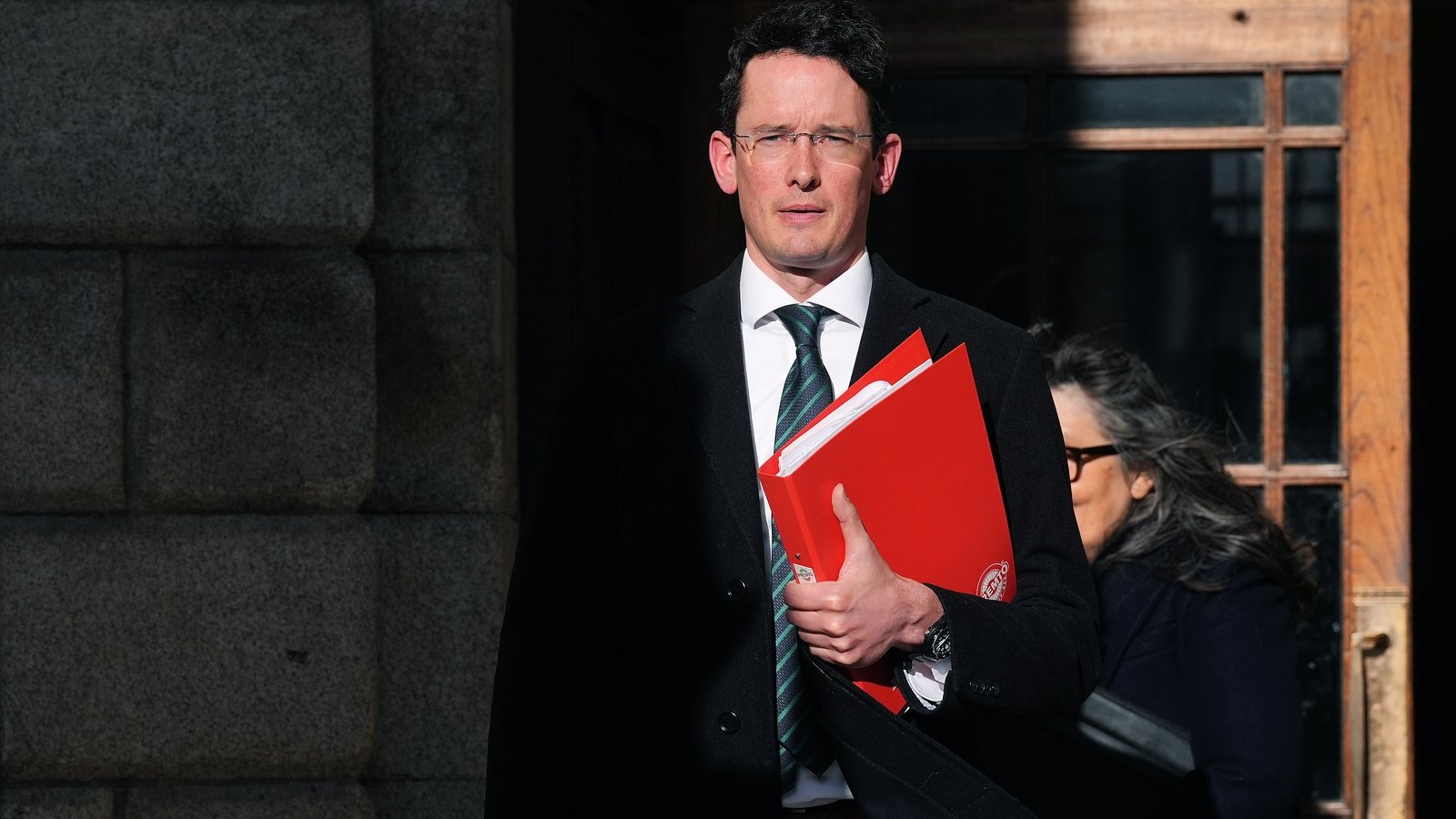
Representing the state,Attorney general Paul Gallagher (Mr. Fanning) outlined a multifaceted rationale for declining to pursue criminal contempt charges at this time. he argued that any penalty imposed would likely mirror those already levied in the existing civil contempt proceedings against enoch Burke,rendering further action “futile.” Crucially,Mr. Fanning emphasized the high legal threshold for proving criminal contempt – demonstrating disruptive conduct “beyond reasonable doubt” – and the need to meticulously analyze each individual’s actions.
He further detailed several practical considerations influencing his decision. These included the potential for alternative remedies, such as directing disruptive individuals to leave the courtroom or prosecuting them for failing to comply with Garda (police) directions. Mr.Fanning also highlighted the significant strain the Burke family’s cases have placed on the court system,diverting resources from other litigants awaiting hearings. He noted the disproportionate amount of court time consumed, stating it was to the “disadvantage of other litigants around the country.”
Financial implications were also a key factor. Mr. Fanning acknowledged the potential cost to the taxpayer, even if the Burkes were granted legal aid, citing the substantial legal fees involved. he expressed skepticism that even prosperous criminal contempt proceedings would achieve the desired outcome, suggesting that modest fines or short prison terms “may reinforce an unfounded sense of martyrdom” rather than prompting a change in behaviour. He explicitly stated his decision could be revisited should circumstances evolve.
Judge expresses Disappointment, Reserves Right to Act
The judge presiding over the case expressed initial “disappointment and surprise” at the Attorney General’s decision. He questioned whether court transcripts accurately captured the disruptive nature of the Burke family’s conduct, suggesting they failed to convey the full “tone and tenor” of the proceedings.
Despite his reservations, the judge acknowledged the Attorney General’s thorough consideration and stated he would reflect on the matter over the christmas period. He reserved the right to initiate criminal contempt proceedings independently, perhaps assigning the case to a different judge to avoid any perceived bias.The judge underscored the historical importance of criminal contempt proceedings in maintaining order and upholding the authority of the courts, stating they have been “in use for hundreds of years.”
Enoch Burke’s Appeal and Continued Imprisonment
The court also received an update on Enoch Burke’s appeal against his dismissal from Wilson’s Hospital School. A Disciplinary Appeals Panel (DAP) heard his case on Saturday, concluding after an eight-hour session. A recommendation is due by January 9th, to be afterward considered by the school’s board of management.
Judge Cregan acknowledged that the outcome of this appeal could have implications for Mr. Burke’s continued imprisonment.The matter has been relisted for January 14th to allow for consideration of the DAP’s decision.
Appearing via video link, Enoch Burke downplayed the significance of the DAP hearing, asserting it was “very far from being a done deal.” He reiterated his belief that the current situation stems from the initial injunction granted by the High Court in 2022, a matter he believes remains unresolved. He concluded with a statement of unwavering conviction, declaring, “the arc of the moral universe is long but it bends towards justice.”
Analysis: A Complex Legal and Public Interest Balancing Act
This case highlights the delicate balance between upholding the rule of law, ensuring access to justice for all litigants, and avoiding actions that could be perceived as exacerbating a deeply entrenched conflict. The Attorney General’s decision reflects a pragmatic assessment of the legal challenges,practical constraints,and potential unintended consequences of pursuing criminal contempt charges.
The judge’s willingness to consider initiating proceedings independently demonstrates a commitment to maintaining the integrity of the court system. However, his expressed concerns about the accuracy of the transcripts suggest a need for a more nuanced understanding of the dynamics at play.
The ongoing appeal regarding enoch Burke’s dismissal adds another layer of complexity, potentially influencing both his legal standing and the broader public perception of the case. The situation remains fluid, and the coming weeks will be crucial in determining the ultimate resolution.
**Keywords
Related reading