Master the Markets: A Deep Dive into Candlestick Trading & Analysis
Are you looking to elevate your stock trading skills and move beyond guesswork? Understanding market signals is crucial, and candlestick patterns are a cornerstone of informed investing. They aren’t just buzzwords; they represent core skills that distinguish triumphant traders from those relying on chance. This extensive guide will equip you with the knowledge to decode market movements and build a robust trading strategy.
Why Candlestick Trading?
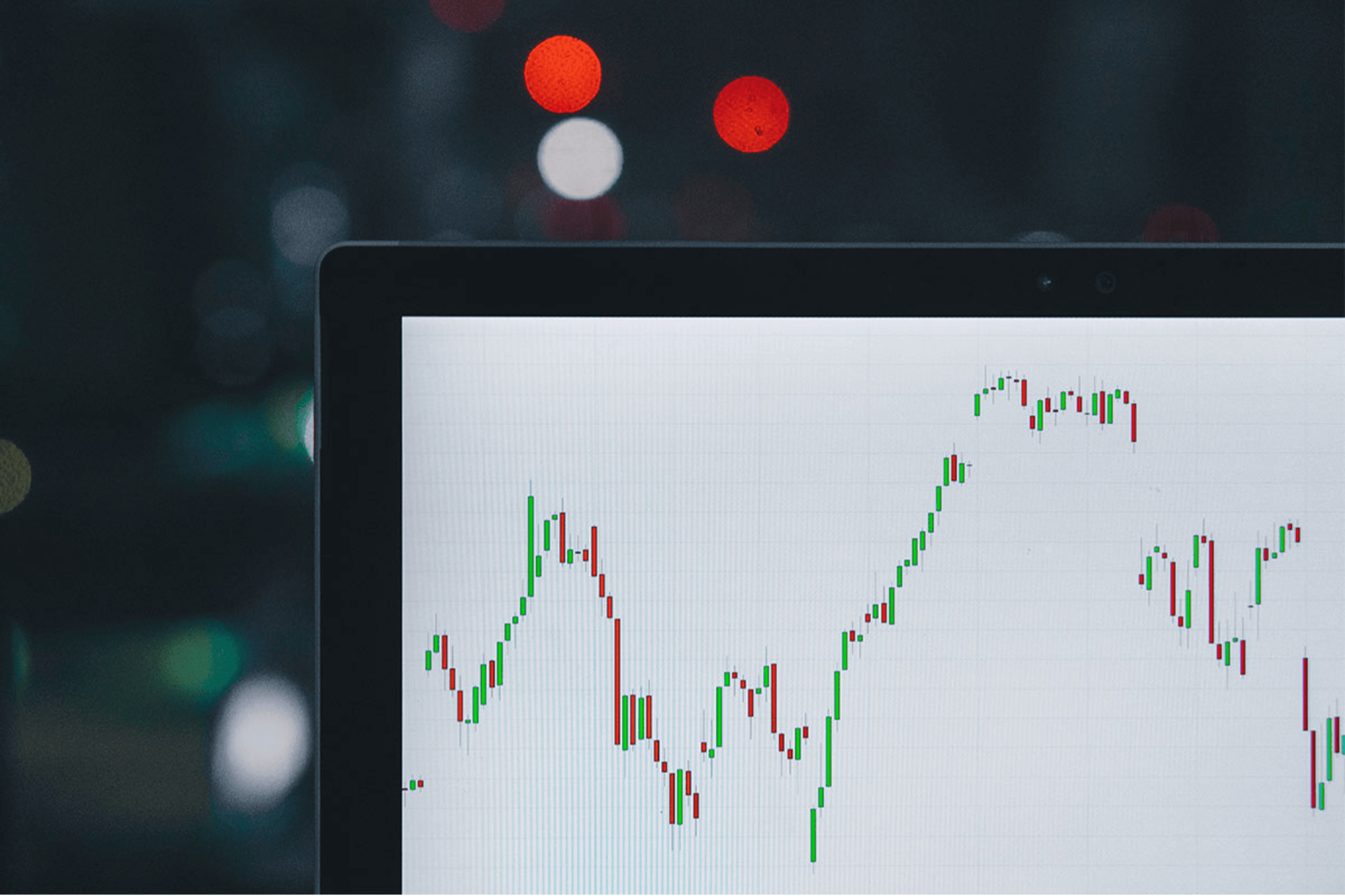
Candlestick charts offer a visual depiction of price action over time, providing insights into market sentiment and potential future movements. Unlike simple line charts, they display the open, high, low, and closing prices for a specific period. This detailed information allows you to identify patterns that suggest potential buying or selling opportunities.
Here’s why mastering candlestick trading is a valuable asset:
* Visual Clarity: Easily interpret price movements at a glance.
* Pattern Recognition: Identify recurring patterns that signal potential trends.
* Improved Timing: Enhance your ability to time entries and exits for optimal results.
* Risk Management: Develop strategies to mitigate potential losses.
Decoding Candlestick Patterns
Several candlestick patterns can indicate potential market shifts. Recognizing these patterns is the first step toward making informed trading decisions. Let’s explore some key examples:
* Doji: This pattern indicates indecision in the market, with the opening and closing prices nearly equal. It often signals a potential trend reversal.
* Hammer & Hanging Man: These patterns feature a small body with a long lower shadow, suggesting potential bullish (Hammer) or bearish (Hanging Man) reversals.
* Engulfing Patterns: A bullish engulfing pattern occurs when a large white candlestick completely engulfs the previous black candlestick, signaling a potential upward trend. Conversely, a bearish engulfing pattern suggests a potential downward trend.
* Morning Star & Evening Star: These three-candlestick patterns signal potential bullish (Morning Star) and bearish (Evening star) reversals, respectively.
Beyond the basics: Integrating Tape Reading & Risk Strategy
Candlestick analysis is most effective when combined with other technical analysis techniques. Tape reading, the practice of analyzing real-time order flow, can provide valuable confirmation of candlestick signals.
Here’s how to enhance your trading approach:
- Understand Volume: Volume confirms the strength of a trend. Increasing volume during a price move suggests strong conviction.
- Analyze Order Flow: Observe the size and frequency of trades to gauge buying and selling pressure.
- Develop a Risk Strategy: Always define your risk tolerance and implement stop-loss orders to protect your capital.
- Practice Patience: Avoid impulsive trades and wait for clear signals that align with your strategy.
Swing Trading & Options: Expanding Your Toolkit
Once you’ve mastered the fundamentals, you can explore more advanced trading strategies. Swing trading involves holding positions for several days or weeks to profit from short-term price swings. Options trading offers leverage and the potential for higher returns, but also carries increased risk.
Consider these points when venturing into advanced strategies:
* Start Small: Begin with a small amount of capital to minimize potential losses.
* Continuous Learning: Stay updated on market trends and refine your strategies.
* Paper Trading: Practice with virtual money before risking real capital.
* Seek Guidance: Consider learning from experienced traders or mentors.
Building a Solid Trading Plan
A well-defined trading plan is essential for success.Your plan should outline your goals, risk tolerance, trading strategies, and entry/exit rules.
Here’s a framework for creating your plan:
* define Your Goals: What do you hope to achieve through trading?
* Assess Your Risk Tolerance: How much capital are you willing to risk on each trade?
* Choose Your Strategies: Which candlestick patterns and technical indicators will you use?
* Establish Entry & Exit Rules: When will you enter and exit a trade?
* Review & Adjust: Regularly review your plan and make adjustments as needed.
Investing in
Keep reading