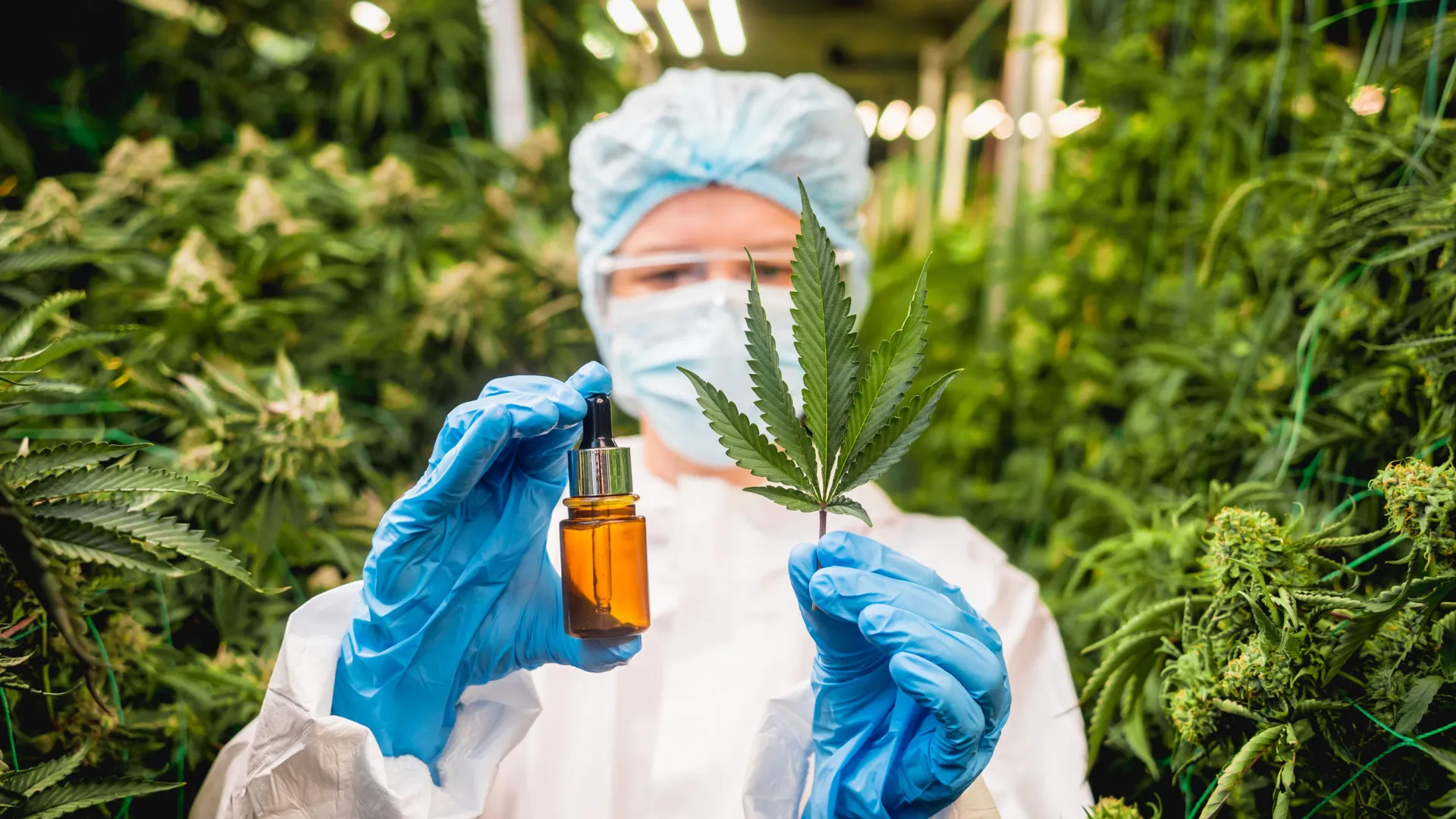
Cannabis Compounds Show Promise in Reversing Fatty Liver Disease
Berlin – A growing body of research suggests that compounds found in cannabis, specifically cannabidiol (CBD) and cannabigerol (CBG), may offer a novel approach to treating metabolic dysfunction-associated steatotic liver disease (MASLD), commonly known as fatty liver disease. A recent study conducted by researchers at the Hebrew University of Jerusalem has revealed that these non-intoxicating cannabinoids can improve liver health by enhancing the organ’s ability to process energy and eliminate harmful waste products. This discovery could pave the way for new plant-based therapies to combat the world’s most prevalent chronic liver condition, affecting an estimated one-third of adults globally.
Fatty liver disease, increasingly recognized as a significant public health concern, is strongly linked to obesity, high blood pressure, and insulin resistance. While lifestyle modifications – including dietary changes and increased physical activity – remain the cornerstone of management, adherence to these recommendations can be challenging for many. Currently, limited approved medications are available, prompting researchers to explore alternative treatment strategies. The findings from the Hebrew University study, published in peer-reviewed journals, offer a potentially promising avenue for intervention.
The research, led by Professor Joseph (Yossi) Tam, Dr. Liad Hinden, and PhD student Radka Kočvarová, focused on understanding how CBD and CBG impact liver function at a cellular level. Their investigation revealed that these compounds don’t simply reduce fat accumulation within the liver. they actively improve the internal workings of liver cells through a process termed “metabolic remodeling.” This involves enhancing the liver’s energy storage capacity and restoring the activity of cellular systems responsible for waste removal.
How CBD and CBG Enhance Liver Function
One key finding of the study centers on the liver’s energy reserves. Researchers discovered that CBD and CBG increased levels of phosphocreatine, a molecule that serves as an emergency energy supply for cells. This boost in phosphocreatine allows liver cells to maintain normal function even when subjected to metabolic stress, such as a high-fat diet. The liver typically doesn’t heavily rely on this energy system, making the observed increase particularly noteworthy. This suggests a previously unrecognized potential for bolstering liver resilience against dietary challenges.
Beyond energy storage, the study highlighted the ability of CBD and CBG to reactivate cathepsins, enzymes crucial for cellular cleanup. These enzymes reside within lysosomes, often described as the cell’s recycling centers, where they break down unwanted materials for removal. By restoring cathepsin activity, CBD and CBG enable liver cells to more effectively process and eliminate harmful fats and waste products. The researchers observed significant reductions in damaging lipid molecules, including triglycerides and ceramides, both of which are linked to insulin resistance and inflammation in the liver. ScienceDaily reports on the study’s findings.
Distinct Metabolic Benefits of CBD and CBG
While both CBD and CBG demonstrated beneficial effects on liver health, the study revealed subtle differences in their metabolic impact. Both compounds contributed to stabilizing blood sugar levels and improving glucose processing. Still, CBG exhibited stronger improvements in several key metabolic markers. Specifically, CBG significantly reduced body fat mass and increased insulin sensitivity to a greater extent than CBD. CBG demonstrated a more pronounced ability to lower total cholesterol and levels of low-density lipoprotein (LDL) cholesterol, often referred to as “bad” cholesterol. SciTechDaily details these findings.
“Our findings identify a new mechanism by which CBD and CBG enhance hepatic energy and lysosomal function,” explained Professor Tam. “This dual metabolic remodeling contributes to improved liver lipid handling and highlights these compounds as promising therapeutic agents for MASLD.” This suggests that targeting both energy metabolism and waste removal within liver cells could be a highly effective strategy for treating fatty liver disease.
Future Research and Potential Therapeutic Applications
Despite the promising results, the researchers emphasize the need for further investigation to determine how these findings translate to human treatments. Additional studies are crucial to clarify the optimal dosage, long-term effects, and potential interactions of CBD and CBG with other medications. Clinical trials will be necessary to confirm the efficacy and safety of these compounds in individuals with MASLD. The current research primarily utilized cell cultures and animal models, and the response in humans may differ.
The study underscores a growing trend in metabolic disease research – exploring plant-derived compounds as potential therapeutic agents. By targeting fundamental cellular processes, such as energy storage and waste removal, CBD and CBG may offer a novel approach to treating not only fatty liver disease but also related metabolic disorders. This research aligns with a broader interest in harnessing the therapeutic potential of cannabinoids for a range of health conditions. Medical Xpress also covered the study’s implications.
Understanding Metabolic Dysfunction-Associated Steatotic Liver Disease (MASLD)
MASLD, formerly known as non-alcoholic fatty liver disease (NAFLD), is a condition characterized by the accumulation of excess fat in the liver in individuals who consume little to no alcohol. It’s a complex condition with a spectrum of severity, ranging from simple steatosis (fatty liver) to non-alcoholic steatohepatitis (NASH), which involves inflammation and liver damage. Left untreated, NASH can progress to cirrhosis, liver failure, and even liver cancer. The renaming to MASLD reflects a more accurate understanding of the disease’s association with metabolic factors like obesity and insulin resistance.
Currently, the primary treatment for MASLD involves lifestyle modifications, including weight loss through diet and exercise. However, maintaining these changes long-term can be difficult, and there is a significant unmet need for effective pharmacological interventions. The potential of CBD and CBG to address the underlying metabolic dysfunction offers a glimmer of hope for individuals struggling with this condition.
The research team at the Hebrew University is continuing to investigate the mechanisms by which CBD and CBG exert their beneficial effects on liver health. They are also exploring the potential of combining these compounds with other therapeutic strategies to maximize their efficacy. As research progresses, it is hoped that these findings will translate into new and effective treatments for MASLD and other metabolic disorders.
Next Steps: Researchers are planning to initiate pre-clinical trials to further evaluate the safety and efficacy of CBD and CBG in animal models before progressing to human clinical trials. Updates on the progress of these trials will be closely monitored by the medical community.
Do you have thoughts on this emerging research? Share your comments below, and please share this article with anyone who might find it informative.
Related reading