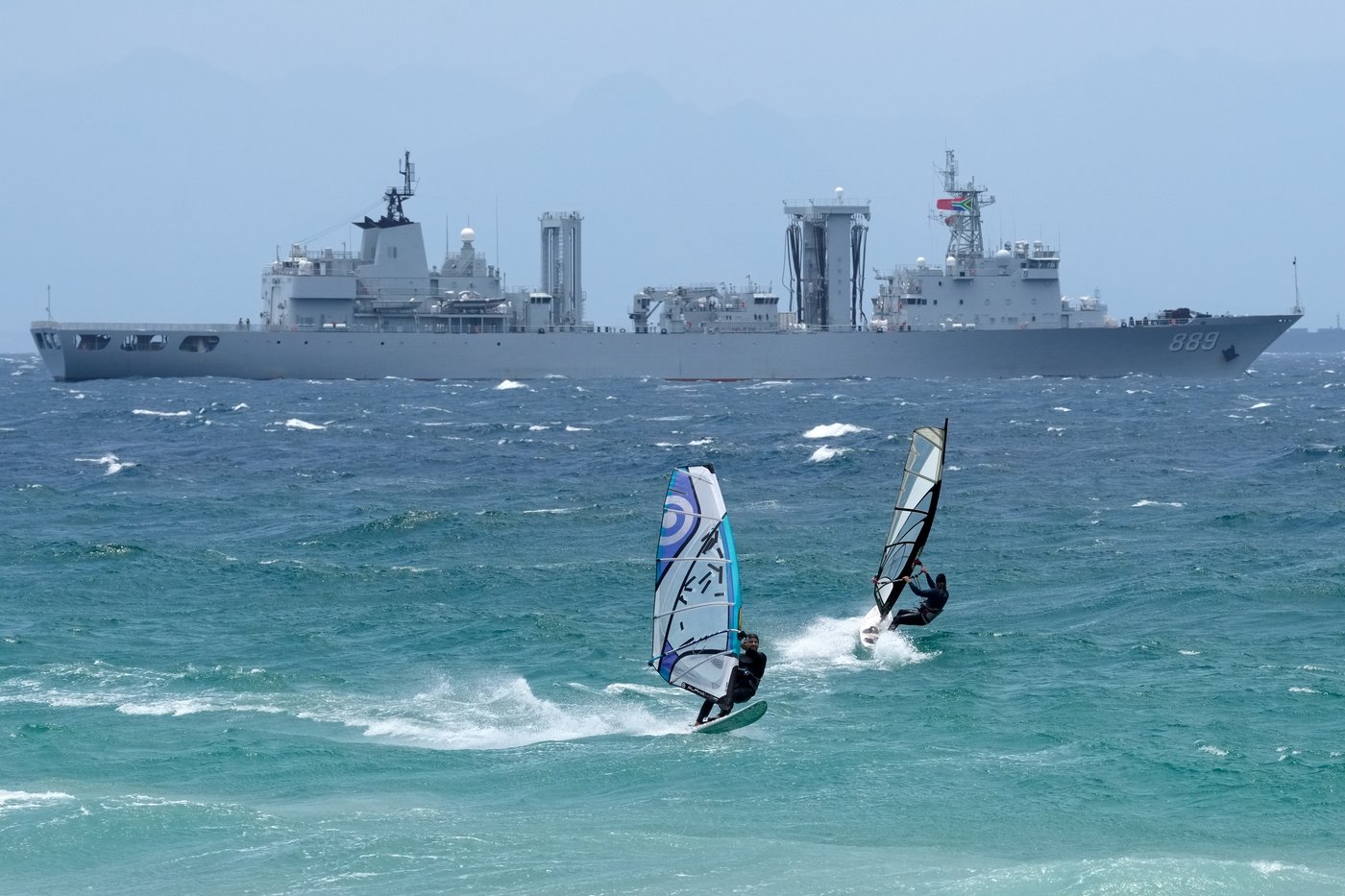
The recent joint naval drills involving China, Russia, and South Africa, with the unexpected participation of Iran, signal a notable shift in global maritime power dynamics. These exercises, held off the coast of South africa, aren’t simply routine military maneuvers; they represent a growing challenge to the long-held naval dominance of the United States and its allies. As of January 11, 2026, this collaboration highlights a world increasingly defined by multipolarity and a reassessment of strategic alliances.
The shifting Sands of Global Naval Power
Recent events, including US involvement in Venezuela – specifically the seizure of oil cargoes and reported detentions of officials – have fueled resentment among nations who view these actions as infringements on national sovereignty and breaches of international law. This discontent provides fertile ground for alternative partnerships. For China and Russia, Venezuela has become a focal point for demonstrating resistance against what they perceive as US economic coercion.
Iran, intimately familiar with the effects of prolonged sanctions and covert operations, finds a natural ally in Caracas.I’ve found that shared experiences of perceived injustice often forge strong, albeit unconventional, alliances. The South African drills, while geographically distant from these immediate conflicts, are unfolding against this backdrop of converging interests and shared grievances.
The strategic importance of the waters surrounding southern Africa is rapidly increasing. The Cape sea route now serves as a crucial alternative to the Suez Canal,particularly given recent disruptions caused by regional conflicts and attacks on commercial shipping – a trend that has accelerated since late 2023. Historically, Western navies, led by the US, have controlled and protected these vital sea lanes.
by conducting these joint drills, China, Russia, and Iran are making a clear statement: they intend to actively shape maritime security beyond their traditional spheres of influence. This message is directed not only at Western governments but also at nations across Africa, Asia, and Latin America who are currently re-evaluating their strategic relationships.
China’s Expanding Naval Footprint
China’s naval presence in Africa has been steadily growing over the past decade,anchored by its first overseas military base in Djibouti,established in 2017. While officially designated as a logistics and anti-piracy hub,this base has understandably raised concerns in Washington regarding Beijing’s long-term strategic goals. Chinese officials consistently maintain that their deployments are aimed at contributing to global public safety, including protecting shipping from piracy, a threat that cost the global economy an estimated $2.3 billion in 2022 according to the One Earth Future Foundation.
Here’s what works best: understanding that China’s actions are frequently enough framed within a narrative of providing global public goods, even as they expand their military reach. This dual approach requires careful analysis.
Russia
Keep reading
- Ex-Fundación San José Official Sentenced to 3 Years for Fake Degrees Case
- Tony Burke Confirms Ex-ASIO Agent’s Testimony Can Be Heard in Public
- Preserving Sundanese Heritage: Challenges of Writing for Wikipedia (archyworldys.com)
- Crimea Strike Kills Two Near Simferopol and Triggers Sevastopol Power Cuts (time.news)
Keep reading
- Ex-Fundación San José Official Sentenced to 3 Years for Fake Degrees Case
- Tony Burke Confirms Ex-ASIO Agent’s Testimony Can Be Heard in Public
- Preserving Sundanese Heritage: Challenges of Writing for Wikipedia (archyworldys.com)
- Crimea Strike Kills Two Near Simferopol and Triggers Sevastopol Power Cuts (time.news)