
Commerzbank, a cornerstone of the German financial sector with roots dating back to 1870, is currently navigating a significant transition in its retail product offerings. As the bank continues to evolve its service model for private and entrepreneurial clients, recent shifts in its credit card portfolio have drawn attention from industry analysts and consumers alike. The institution, which maintains a substantial global footprint with operations in over 40 countries, is refining how its customers interact with global payment networks.
For a banking group that serves as a primary financier for the German Mittelstand and manages total assets exceeding €592 billion as of the third quarter of 2024, such structural changes represent more than simple administrative updates. They reflect broader adjustments within the European banking landscape, where institutions are increasingly balancing the demands of digital-first retail banking with the complexities of international payment processing. With Bettina Orlopp serving as the chairwoman of the Board of Managing Directors, the bank continues to emphasize its role as a stable partner for both corporate and private account holders, as noted in its official corporate profile.
Strategic Shifts in Payment Infrastructure
The transition in card providers is a nuanced process that impacts a diverse range of users, from those utilizing basic account models to premium banking customers. Commerzbank’s approach to its credit card offerings—which include options associated with major international providers such as Visa, Mastercard and American Express—is designed to provide flexibility for worldwide usage. As the bank updates its product suite, the primary objective remains the maintenance of secure, reliable, and efficient payment solutions for its expansive customer base.
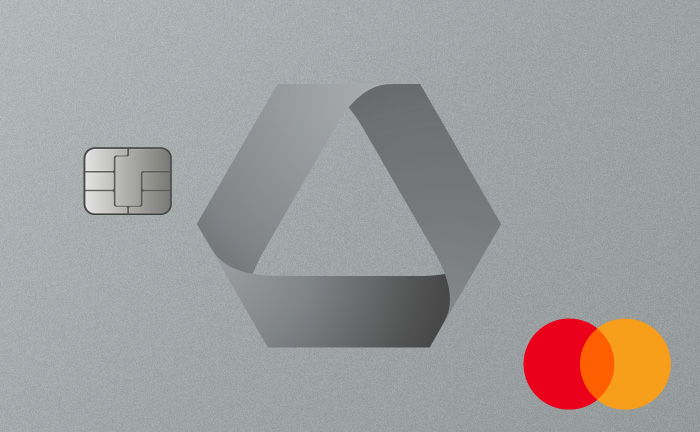
In the current financial environment, where digital transformation is a key pillar of operational strategy, the selection of a card network partner involves evaluating transaction processing speeds, global acceptance rates, and value-added features for cardholders. Commerzbank’s ongoing adjustments are part of a wider effort to streamline its offerings, ensuring that customers have access to the most effective tools for managing their finances, whether through the bank’s mobile application or its traditional branch network.
What This Means for Retail Customers
For the average retail customer, changes to credit card providers often manifest in the form of updated terms of service, new card designs, or shifts in the underlying network benefits. Commerzbank has historically provided a variety of account types, including the KlassikKonto and PremiumKonto, each tailored to different levels of banking activity. As the bank migrates aspects of its portfolio, It’s common for the institution to provide direct communication to account holders regarding the specific impact on their existing agreements.

Customers are encouraged to monitor their secure banking mailboxes and official communications from the bank for details regarding their specific card status. The bank’s official digital banking portal serves as the most reliable source for information regarding current account features, interest rates on savings products, and the status of individual credit facilities. As of May 2026, the bank continues to promote various financial products, including specialized savings opportunities and ETF-based investment plans, demonstrating a commitment to maintaining a robust retail value proposition.
The Evolving Role of Large European Banks
Commerzbank’s position as a significant economic actor in Germany, with over 40,000 employees as of 2025, requires a delicate balance between legacy stability and modern innovation. The bank’s recent financial reporting highlights a net income of €2.7 billion for the 2024 fiscal year, underscoring its resilience in a competitive European market. This financial health provides the necessary capital to invest in the infrastructure updates required to modernize payment systems and enhance the customer experience.
The transition process is not merely a technical migration; it is a reflection of the bank’s long-term strategy to simplify its product catalog while maintaining the high standards of security and service that its clients expect. By leveraging its global presence and local knowledge, Commerzbank aims to remain at the forefront of the European financial services industry. For those interested in the bank’s strategic direction, the Investor Relations section provides comprehensive insights into the group’s performance and management objectives.
Looking Ahead: Staying Informed
As Commerzbank continues to execute its strategic roadmap, further updates regarding its product offerings will be released through official channels. Clients should avoid relying on speculative reports and instead prioritize information verified by the bank’s own public relations and investor relations offices. The next scheduled updates for stakeholders will likely be disclosed in the bank’s upcoming quarterly financial disclosures, where shifts in retail strategy are typically addressed in detail.
We invite our readers to join the conversation regarding these developments. How do you view the impact of evolving payment networks on your personal banking experience? Share your thoughts in the comments section below, and stay tuned to World Today Journal for ongoing coverage of the European financial sector.
Worth a look