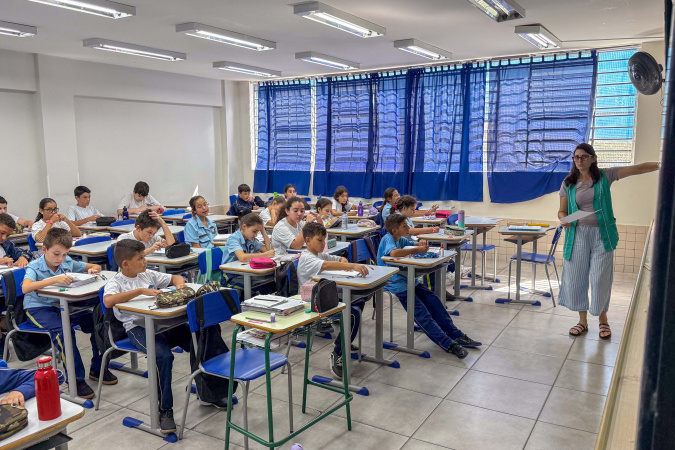
The Paraná State Government is intensifying public health campaigns in schools to address the risks of respiratory and cardiovascular illnesses during the winter months. These initiatives focus on educating students and staff about the physiological impacts of colder temperatures.
The transition into colder weather brings health challenges. Public health officials emphasize that the cardiovascular system is vulnerable to environmental stressors.
Why Cold Weather Affects Cardiovascular Health
Medical experts note that the human body undergoes physiological changes when exposed to dropping temperatures. Cold exposure triggers a natural constriction of blood vessels to conserve core body heat. This response increases systemic blood pressure, placing additional demand on the heart muscle.
For individuals with pre-existing conditions, this added workload can be significant. The incidence of heart disease cases can increase by up to 30% during winter. This phenomenon is associated with the arrival of cold weather.
Managing Respiratory Risks in Educational Settings
In addition to cardiovascular concerns, schools serve as environments where respiratory viruses circulate. Educational campaigns are promoting hygiene practices to mitigate the spread of seasonal illnesses.
Ensuring that indoor environments have adequate air circulation is an intervention to reduce viral transmission. Schools are being instructed to balance the need for warmth with the necessity of airflow.
Recognizing Warning Signs
Cold weather can affect circulation, potentially causing symptoms such as swollen legs.
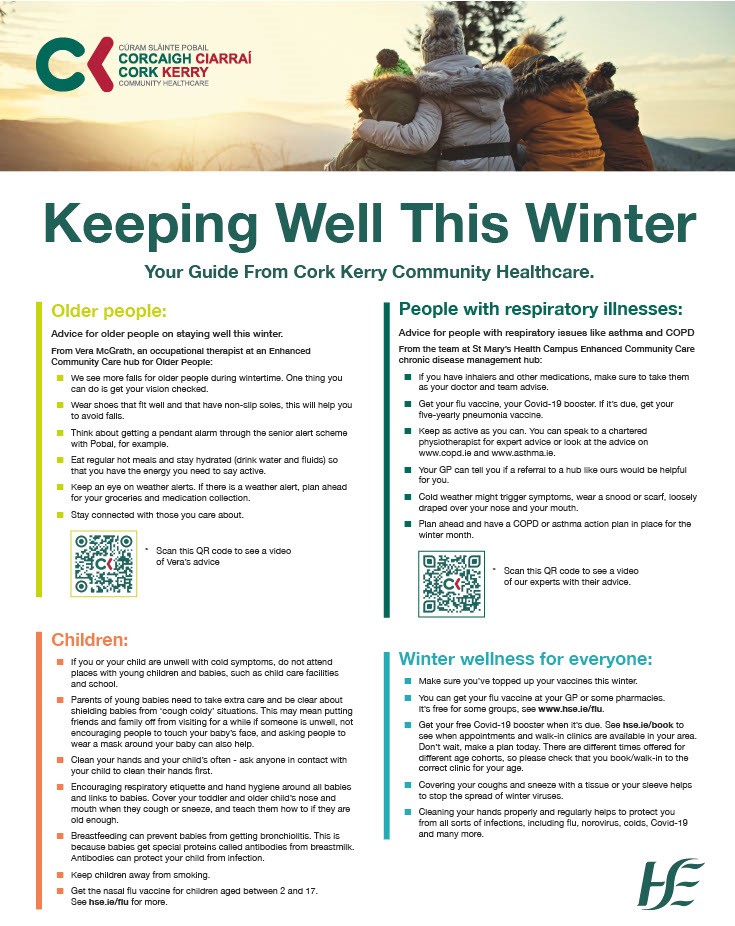
When assessing cardiovascular risk, clinicians look for signs of distress. In a school setting, the focus is placed on teaching students to recognize these signs in themselves and their peers.
Practical Guidance for Winter Health
Public health authorities suggest several strategies to maintain health during the colder months:
- Layered Clothing: Dressing in layers helps the body regulate temperature.
- Hydration and Nutrition: Maintaining adequate fluid intake is essential. A balanced diet supports immune function.
- Physical Activity: Engaging in regular, moderate indoor exercise helps maintain circulation.
- Vaccination: Staying up-to-date with vaccines remains a method for preventing severe respiratory illness.
The current state campaigns are expected to continue throughout the winter season. Local education departments advise parents and guardians to monitor official communication channels for updates regarding school-based health initiatives and vaccination schedules. For those with chronic health conditions, a consultation with a physician is recommended.
Readers are encouraged to share this information with their local school communities to help promote a safer, healthier winter season for students and staff alike. For further updates on public health policy in your region, visit your state’s official health department portal.