The Younger Dryas Impact Hypothesis: Mounting Evidence for a Cosmic Trigger to Extinction
For decades, the simultaneous disappearance of north America’s megafauna – mammoths, mastodons, saber-toothed cats – and the abrupt end of the Clovis culture, a distinctive tool-making tradition, has been one of archaeology and paleontology’s most enduring mysteries. Increasingly,a controversial yet compelling hypothesis is gaining traction: a cosmic impact event triggered a cascade of environmental disasters that led to these extinctions and cultural shifts around 12,900 years ago,during a period known as the Younger Dryas. This article examines the growing body of evidence supporting this theory, detailing the scientific investigations and the implications for our understanding of Earth’s recent history.
The Younger dryas: A Sudden Climate Reversal
The end of the last glacial period was expected to bring a steady warming trend. Instead, North America and parts of Europe experienced a dramatic and unexpected return to near-glacial conditions – the Younger Dryas. This period, lasting roughly a thousand years, represents a meaningful anomaly in the climate record, interrupting the overall warming trajectory. Understanding the cause of this abrupt reversal is crucial to understanding the fate of the continent’s large animals and its early human inhabitants.
The Impact Hypothesis: A Comet’s Detonation
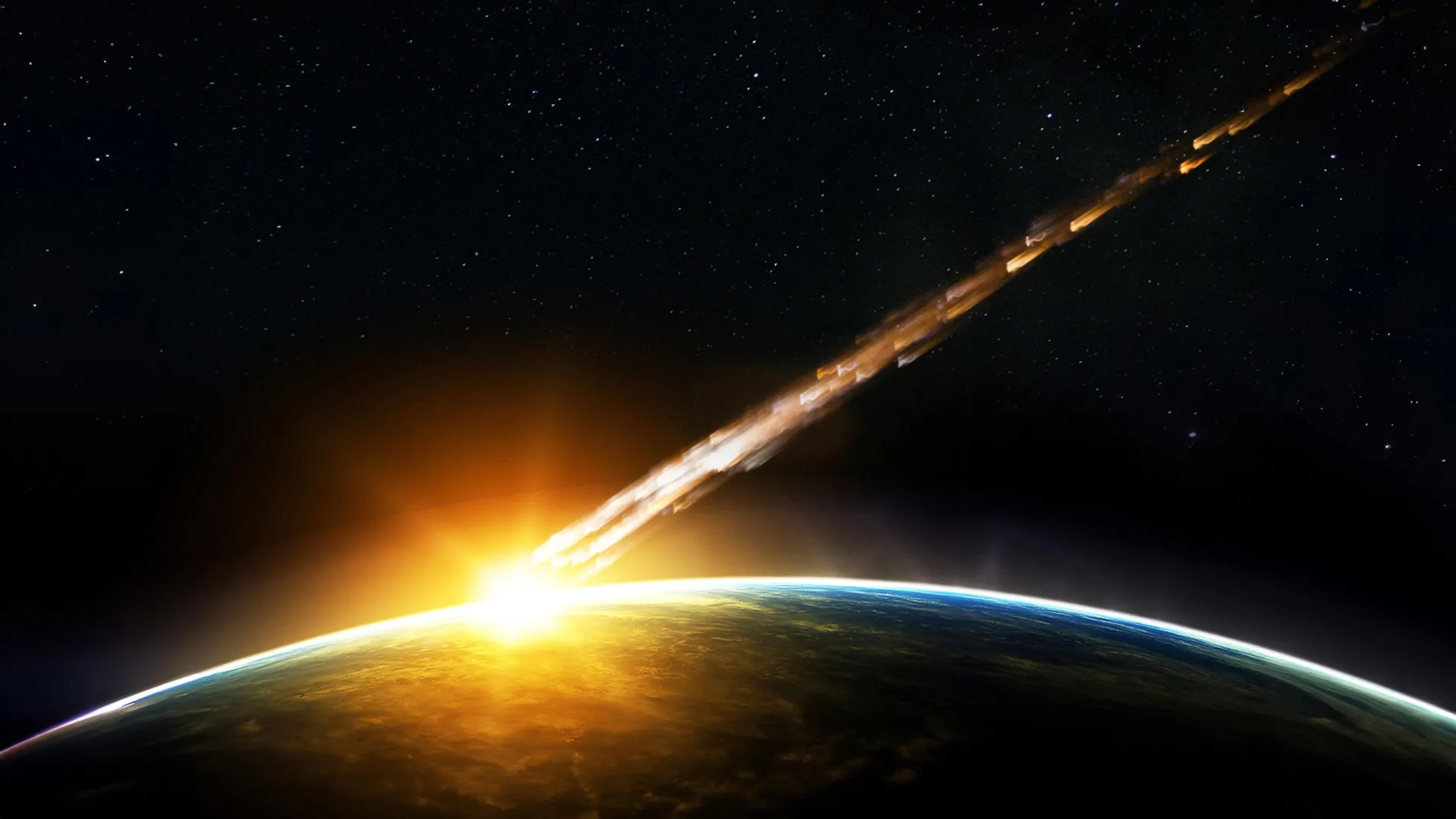
The leading explanation for the Younger Dryas’ onset, championed by researchers like James Kennett and his team, is the Younger Dryas impact hypothesis. This proposes that fragments of a large comet detonated above the Earth’s surface, rather than directly impacting it. Such an airburst would have unleashed immense energy, generating widespread fires, shockwaves, and a dramatic alteration of the atmosphere.
“In other words, all hell broke loose,” explains Kennett, highlighting the catastrophic potential of such an event. The resulting fires would have released vast quantities of smoke, soot, and dust, blocking sunlight and initiating an “impact winter” – a period of prolonged darkness and cooling. Concurrently, rapid melting of ice sheets, perhaps triggered by the initial energy release, could have further exacerbated the cooling effect, creating a devastating environmental scenario.
Key Evidence: A Multifaceted Investigation
Over the past two decades,researchers have meticulously gathered evidence supporting the impact hypothesis,moving beyond initial speculation to a robust,multi-disciplinary investigation. This evidence isn’t based on a single finding, but rather a convergence of multiple self-reliant lines of inquiry:
* The Black Mat Layer: A widespread, dark, carbon-rich sediment layer found across North America and Europe provides compelling evidence of extensive wildfires. This “black mat” represents a significant increase in charcoal and soot deposition, indicative of continent-wide burning.
* Rare Element Anomalies: Scientists have detected elevated levels of rare elements, such as platinum and iridium, within the Younger Dryas boundary layer. These elements are commonly associated with extraterrestrial sources,especially comets.
* Impact Proxies: Nanodiamonds, Spherules, and Meltglass: The presence of nanodiamonds - microscopic diamonds formed only under extreme pressure – alongside metallic spherules (tiny, solidified droplets of molten metal) and meltglass (glass formed from rapidly cooled molten rock) further strengthens the case for a high-energy impact event. These materials require temperatures and pressures far exceeding those produced by volcanic activity or natural wildfires.
* Shocked Quartz: The Definitive Signature: Perhaps the most compelling evidence lies in the discovery of shocked quartz – sand grains exhibiting internal structural damage caused by intense heat and pressure. This damage manifests as distinctive fractures, ofen filled with melted silica.
The Meaning of Shocked quartz
The identification of shocked quartz at key archaeological sites – Murray Springs, blackwater Draw, and Arlington Canyon – is particularly significant. These sites are historically vital for documenting the megafaunal extinctions and the disappearance of the clovis culture. Advanced analytical techniques, including electron microscopy and cathodoluminescence, have confirmed that the observed quartz grains were subjected to conditions far beyond those achievable through volcanic eruptions or human-caused fires.
Importantly,the absence of a large,readily identifiable impact crater doesn’t invalidate the hypothesis. The team’s hydrocode modeling demonstrates that “touchdown airbursts” – explosions occurring above the Earth’s surface – can generate the observed shock patterns in quartz without leaving a traditional crater. These airbursts produce a range of pressures and temperatures, resulting in both highly shocked and lightly shocked quartz grains, precisely what researchers are finding.
A Growing Consensus and Future Research
The convergence of these diverse lines of evidence – the black mat, rare element anomalies, impact proxies, and, crucially, the shocked quartz – is building a stronger case for a cosmic impact as a major contributing factor to the Younger Dryas event and its associated extinctions.
While the Younger Dryas impact hypothesis remains a subject
Related reading