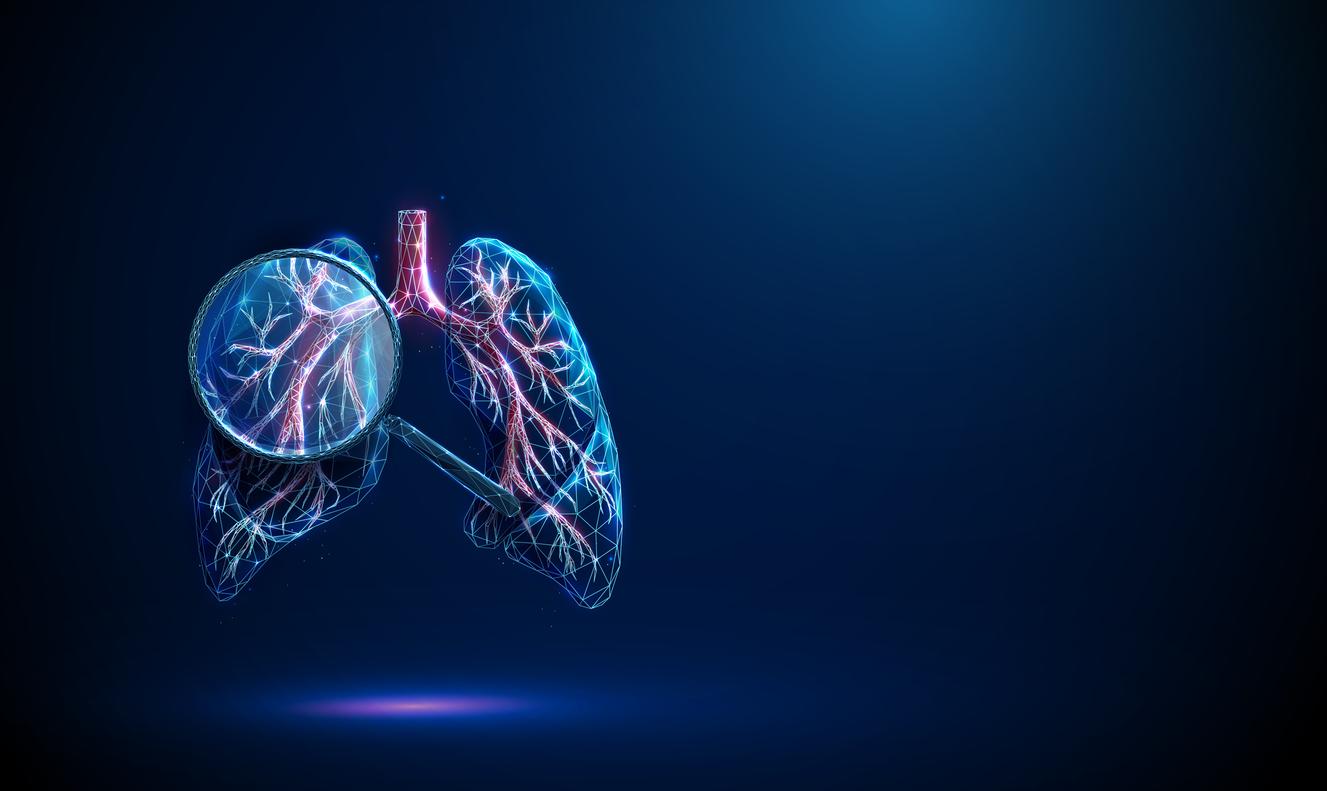
Asthma triggers chronic structural changes in the lungs, a process known as airway remodeling, which can lead to permanent respiratory impairment. When individuals experience persistent inflammation, the tissues lining the bronchial tubes undergo cellular and architectural shifts that reduce airflow and decrease the effectiveness of traditional bronchodilators. Understanding these physical transformations is currently a major focus of respiratory research, utilizing advanced bio-engineering tools to map how human lung tissue behaves under stress.
The Mechanics of Airway Remodeling
Airway remodeling in asthma involves a series of structural adaptations that occur in response to chronic inflammation. According to the American Academy of Allergy, Asthma & Immunology, these changes include the thickening of the airway wall, the proliferation of smooth muscle cells, and the deposition of collagen in the sub-epithelial layer. Over time, these modifications cause the airways to become narrower and less elastic, which contributes to the persistent obstruction often seen in severe, long-term asthma cases.

The process is driven by the interaction between inflammatory cells—such as eosinophils and mast cells—and the structural cells of the lung. When these cells release growth factors, they stimulate the repair mechanisms of the lung tissue. However, in the asthmatic lung, this repair process is dysregulated. Instead of restoring normal function, it results in the buildup of scar-like tissue, which limits the ability of the airway to relax, according to research published by the National Institutes of Health (NIH).
Innovative Models for Lung Observation
To better understand these cellular modifications, researchers are increasingly turning to “organ-on-a-chip” technology. These micro-engineered devices mimic the structure and physiological function of human organs, allowing scientists to observe lung tissue behavior in a controlled environment. By recreating the interface between air and the blood vessels within a miniature platform, researchers can track how physical stress and inflammatory agents change the tissue architecture in real-time.

This technology provides a significant advantage over traditional 2D cell cultures. By simulating the mechanical forces of breathing—such as the cyclic stretching of the tissue—scientists can more accurately observe how lung cells respond to allergens or pharmacological treatments. This approach is instrumental in studying the transition from acute inflammation to permanent remodeling, potentially identifying new therapeutic targets to halt or reverse the process, as noted by the Wyss Institute at Harvard University.
Why Tissue Changes Matter for Patients
The clinical significance of airway remodeling lies in the loss of lung function that does not fully respond to standard asthma medications. While corticosteroids and bronchodilators effectively manage acute symptoms, they are less successful at addressing the underlying structural changes once they have become established. This is why early detection and consistent management of inflammation are emphasized by global health authorities, including the World Health Organization.
Patients who experience frequent exacerbations are at a higher risk of developing significant remodeling. The physical stiffening of the airways means that even when the airway smooth muscle is relaxed by medication, the structural narrowing remains, leading to a persistent decline in forced expiratory volume. Ongoing research aims to determine if pharmacological interventions in the early stages of the disease can prevent the progression of these structural changes.
Future Directions in Respiratory Research
The next phase of investigation involves using patient-derived cells within these organ-on-a-chip models to create personalized medicine approaches. By testing how a specific patient’s lung tissue responds to various drug combinations before prescribing them, clinicians hope to improve long-term outcomes for those with refractory asthma. These studies are currently in the pre-clinical and early clinical validation phases, with data expected in upcoming medical journal filings and conference reports throughout the next calendar year.

As research continues to bridge the gap between microscopic cellular changes and systemic lung function, the focus remains on preventing the permanent structural damage that defines advanced disease. Readers are encouraged to consult their primary care physicians or pulmonologists for the latest information regarding clinical trials and updated treatment protocols specific to their medical history.
Worth a look