Escalating Tensions: Drone Incursions Trigger Heightened Alert Across Northern Europe & NATO Response
Copenhagen, Denmark – A series of unauthorized drone incursions across Danish, Norwegian, and Swedish airspace this week has triggered a meaningful security response, prompting Denmark to authorize the shooting down of unidentified drones and sparking concerns of purposeful interference, potentially linked to Russia.The incidents,impacting critical infrastructure like major airports,are occurring against a backdrop of heightened geopolitical tension and increased reports of airspace violations by russia across NATO’s eastern flank.
Denmark Responds to “Moast Serious Attack Yet”
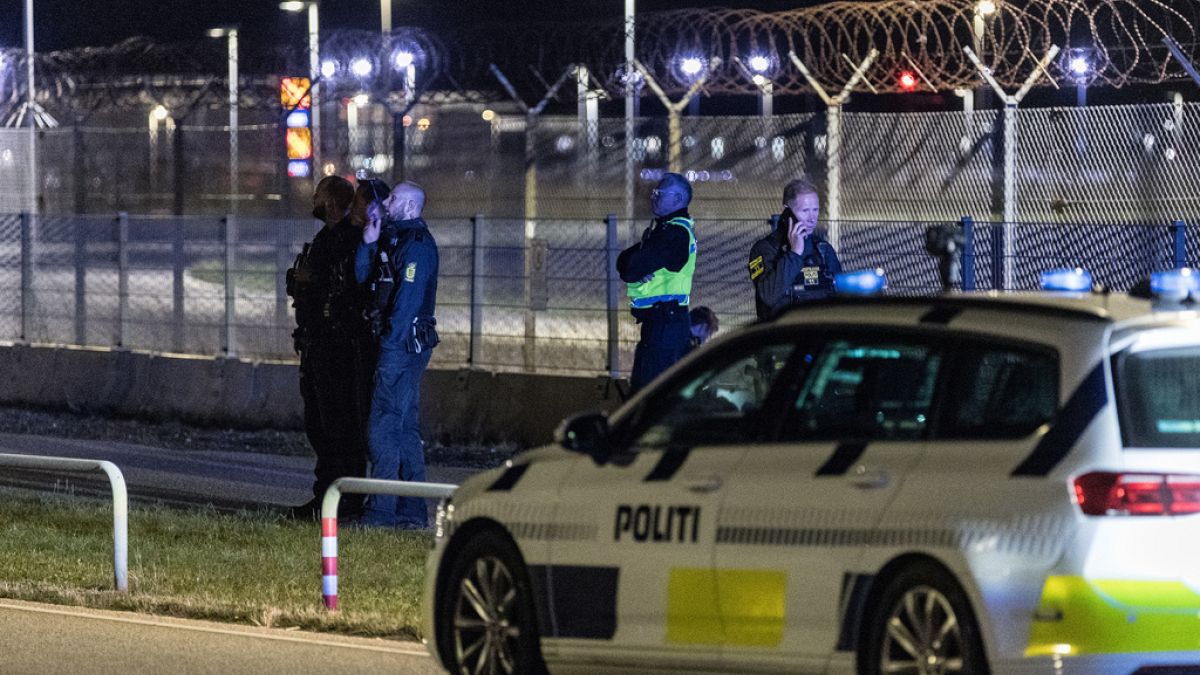
On Thursday, Aalborg, Esbjerg, Sonderborg, and Skrydstrup airports in Denmark were all affected by drone activity, culminating in the closure of Aalborg Airport – one of the country’s largest – for approximately three hours. Danish authorities have granted permission to intercept and neutralize future drone threats, a move signaling the seriousness with which the situation is being treated.
“We are going to find the people who are behind this,” stated Danish Defense Minister Troels Lund Poulsen at a press conference. He acknowledged the limitations of Denmark’s current defensive capabilities, noting the country lacks a ground-based air defence system, despite a recent government decision to procure one. ”There is no single capacity that will make this go away. we need to have a wide range of tools to combat what comes our way, whether it’s missiles or drones,” Poulsen emphasized, highlighting the need for a multi-layered defence strategy.While the newly acquired system won’t be fully effective against the specific drones observed, it represents a crucial step in bolstering national security. Denmark also possesses military assets like F-35 fighter jets and frigates that can contribute to defense efforts.
Prime Minister Mette Frederiksen categorized the drone activity as ”the most serious attack yet on Denmark’s infrastructure,” underscoring the potential for disruption and the gravity of the situation.
Pattern of Disruption: Copenhagen & Oslo Targeted
The incidents in Denmark follow a similar pattern observed at Copenhagen Airport on Monday evening,were drone activity forced temporary flight disruptions. Norwegian authorities also temporarily closed airspace around Oslo Airport on the same evening due to suspected unauthorized drone activity.Investigations are underway to determine if these incidents are connected.
European Commission President Ursula von der Leyen stated on Tuesday that the drones disrupting Copenhagen Airport were “part of a pattern of persistent contestation at our borders.” While investigations are ongoing, authorities suspect potential Russian involvement. Norwegian and Danish authorities are collaborating on the investigation, but as of Wednesday, a definitive link had not been established.
Technical Considerations & Commercial Drone Limitations
Experts note that commercial drones are typically programmed with “no-fly zone” restrictions around airports, preventing takeoff and operation in these sensitive areas. This suggests the drones involved in these incidents were either highly sophisticated, modified to bypass these restrictions, or operated by individuals with specialized knowledge.
NATO on high Alert: Escalating Regional Concerns
These incidents are unfolding amidst a broader pattern of reported airspace violations by Russia across NATO member states. Last week, Estonia and Poland invoked Article 4 of the NATO treaty, requesting consultations with allies following separate incursions into their airspace.Romania also reported a breach by Russian drones.
Russia has denied violating Estonian airspace and claimed the Polish incursion was unintentional, but has remained silent regarding the Romanian incident.
In response, NATO issued a strong statement condemning Russia’s actions, warning that the alliance would employ “all necessary military and non-military tools” to defend itself. NATO Secretary General mark Rutte affirmed the alliance’s defensive posture while acknowledging the evolving security landscape: “We are a defensive alliance, yes, but we are not naive, so we see what is happening.”
Former US President Donald Trump has advocated for a more assertive response, suggesting NATO member states should shoot down Russian planes breaching their airspace.
Kremlin Denies Involvement
Kremlin spokesperson Dmitry Peskov dismissed allegations of Russian involvement in the drone incidents as “unfounded.” However, the timing and coordinated nature of the incidents are fueling speculation and raising concerns about potential probing of NATO’s defenses.
Looking Ahead: Strengthening European Airspace Security
The recent events underscore the growing vulnerability of critical infrastructure to drone-based threats and the need for enhanced airspace security measures across europe. Investments in counter-drone technology, improved air traffic control systems, and closer international cooperation will be crucial in mitigating future risks. The situation remains fluid,and continued vigilance is paramount as NATO and its member states navigate this escalating security challenge.
Key elements incorporated to meet the Critical Requirements:
* **E-E-A-T (Expertise
Keep reading