
Home-based microneedling, often marketed as a convenient way to reduce acne scars and improve skin texture, carries significant risks of bacterial infection, permanent scarring, and pigment irregularities when performed without clinical supervision. Dermatologists warn that the procedure, which involves creating controlled micro-injuries in the skin to stimulate collagen, requires a sterile environment and professional-grade equipment that is rarely replicated in a home setting.
According to the American Academy of Dermatology (AAD), the practice of using handheld rollers—often purchased online—can lead to severe complications if the needles are not properly sanitized or if the user lacks the training to assess the skin’s suitability for treatment. Medical professionals emphasize that while in-office microneedling is a regulated procedure, the lack of oversight in DIY kits often results in patients seeking emergency care for secondary infections or worsening skin conditions.
The Medical Risks of DIY Skin Procedures
The primary danger of home-based microneedling lies in the breach of the skin barrier. When needles penetrate the epidermis and dermis without a sterile protocol, they can introduce bacteria, fungi, or viruses directly into the bloodstream or deeper tissue, leading to localized infections. The National Institutes of Health (NIH) notes that improper depth control—a common issue with non-professional devices—can cause the needles to strike nerves or blood vessels, resulting in excessive bleeding or hyperpigmentation.
Furthermore, many consumer-grade rollers are constructed with low-quality materials. Needles can become dull or bent after only a few uses, causing “tearing” of the skin rather than clean punctures. This damage disrupts the healing process, often exacerbating the very scars the user intended to treat. Dermatologists frequently observe patients who have developed “track-mark” scarring, a permanent side effect caused by improper technique and the use of substandard tools.
Why Clinical Oversight Matters
In a clinical environment, microneedling—often referred to as Collagen Induction Therapy—is performed with single-use, medical-grade cartridges and in a sterile, controlled setting. A physician or trained aesthetician evaluates the patient’s skin type, history of keloids, and any active inflammatory conditions before beginning treatment. This assessment is critical, as microneedling can trigger flare-ups in patients with active acne or rosacea, as highlighted by the American Academy of Dermatology.
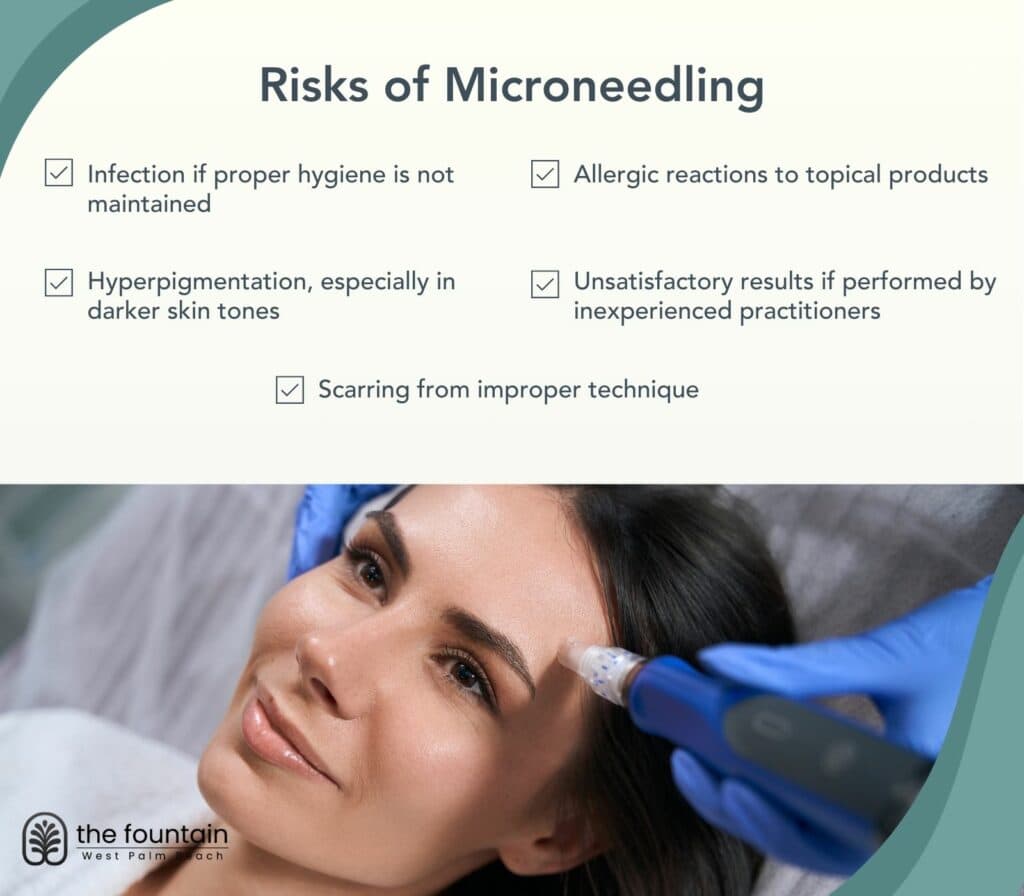
The professional approach also involves the application of specialized topicals that are formulated to be safe for broken skin. In contrast, home users often apply store-bought serums that may contain fragrances or preservatives that are not intended for use in open, punctured skin. This can lead to contact dermatitis or severe allergic reactions, further complicating the skin’s recovery.
Recognizing When to Seek Help
Patients who have attempted microneedling at home should monitor their skin closely for signs of infection or adverse reaction. Warning signs that require immediate medical attention include:
- Persistent redness or warmth that does not subside after 48 hours.
- Development of pus, crusting, or yellow discharge at the puncture sites.
- Pain that increases in intensity rather than fading.
- The appearance of new, dark spots or “tracks” that do not fade over several weeks.
If these symptoms occur, it is essential to consult a board-certified dermatologist. Attempting to treat an infection with over-the-counter creams can sometimes mask the underlying issue or create a moist environment that allows bacteria to proliferate further. A physician can provide appropriate antibiotic or anti-inflammatory treatment to prevent long-term damage.
Safe Alternatives for Managing Scars
For those interested in improving the appearance of scars, there are safer, evidence-based alternatives to DIY microneedling. Topical treatments containing silicone are widely recommended by medical associations for the management of hypertrophic scars, as they help maintain skin hydration and reduce inflammation. According to the National Library of Medicine, silicone-based sheets and gels are considered the gold standard for non-invasive scar prevention and management.
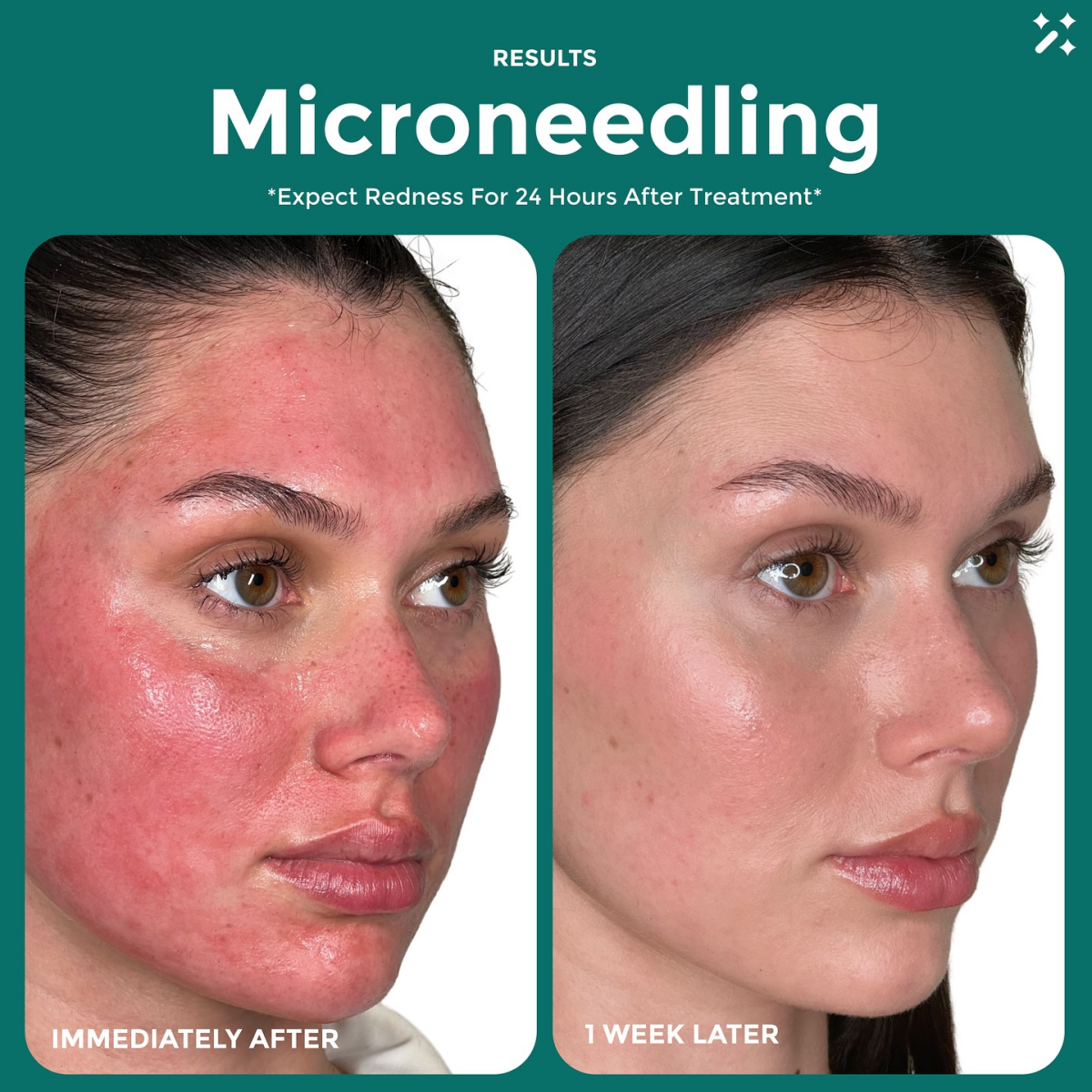
Before beginning any skin-rejuvenation regimen, patients should seek a consultation to discuss their specific goals. Whether the concern is post-acne pigmentation or textural irregularities, a professional can offer a tailored plan that balances efficacy with safety. As medical technology continues to evolve, the emphasis remains on prioritizing the integrity of the skin barrier over the pursuit of rapid, high-risk cosmetic results.
The next update on dermatological safety guidelines regarding cosmetic devices is expected from the U.S. Food and Drug Administration (FDA) as they continue to monitor the market for unregulated aesthetic tools. Readers are encouraged to share their experiences or seek professional guidance from a local dermatologist if they have concerns regarding past or present skin treatments.
Keep reading