Controversial Hindrance Call Mars Draper’s Indian Wells Run, Medvedev Advances
Indian Wells, California – A contentious call during a crucial moment in his quarterfinal match against Daniil Medvedev brought a frustrating complete to Jack Draper’s title defence at the BNP Paribas Open on Wednesday, March 11, 2026. The British player, fresh off a stunning upset victory over Novak Djokovic, fell to the former world number one 6-1, 7-5, but the match’s outcome was overshadowed by a debated hindrance ruling that left both players and the crowd at Stadium Court 2 deeply divided. The incident has reignited discussions surrounding the often-subjective interpretation of the hindrance rule in professional tennis, and its impact on match outcomes.
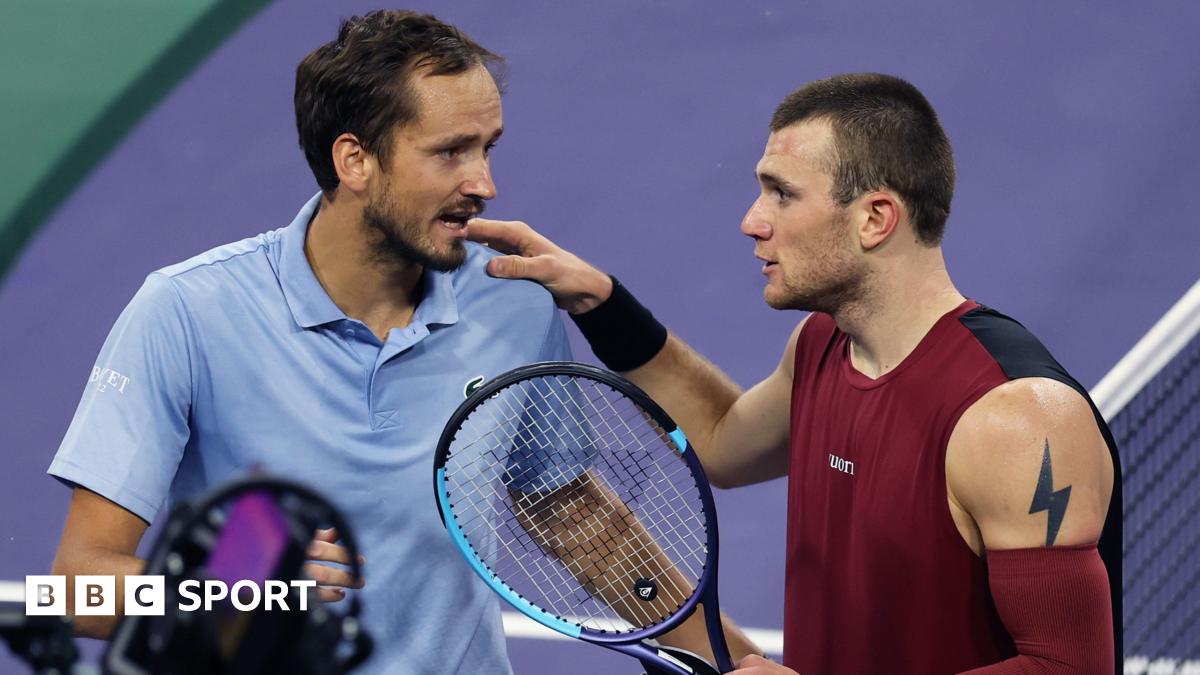
The pivotal moment occurred at 5-5 in the second set, with Draper trailing 0-15. After a disputed line call on a Medvedev forehand, Draper raised his arms in protest. Umpire Aurelie Torte, following a video review, determined that Draper’s gesture had distracted Medvedev, awarding the point to the Russian and ultimately leading to a break of serve. The decision sparked immediate and vocal disapproval from the California crowd, with boos directed at Medvedev during the changeovers and after the match concluded. Despite the controversy, Draper maintained a sportsmanlike demeanor, shaking hands with both Medvedev and Torte before leaving the court. This incident underscores the complexities of officiating in a fast-paced sport where split-second reactions and interpretations can dramatically alter the course of a match.
Draper and Medvedev React to the Controversial Call
Following the match, both players offered their perspectives on the incident. Draper, while acknowledging that he made a gesture with his hands, expressed his belief that it wasn’t substantial enough to genuinely hinder Medvedev. “I don’t think I did enough to hinder him, but at the end of the day I did make a slight thing with my hands,” Draper told BBC Sport. “On one hand, I get it, but on the other, I don’t think it was enough to distract Daniil. I think he’s played the rules quite well.” He further stated that he felt the rally continued and he was able to win the point, questioning the fairness of losing it due to the call. Draper also conceded that Medvedev was the stronger player adding, “First of all, Daniil was the stronger player fair and square.”
Medvedev, while acknowledging the awkwardness of the situation, maintained that he was at least somewhat affected by Draper’s actions. “Was I distracted big time? No,” Medvedev stated. “Was I distracted a bit? Yes. Is it enough to win the point? I don’t know.” He emphasized that his initial forehand after the gesture felt less confident, suggesting a possible impact. “If you look on the first forehand I do after it happened, I think I could have done a better shot if there was no gesture from Jack,” he explained. However, Medvedev also clarified that he didn’t believe he had cheated, deferring the final decision to the umpire. “Do I sense solid about it? Not really, but I also don’t feel like I cheated. I let the referee decide.”
Understanding the Hindrance Rule in Tennis
The hindrance rule in tennis is designed to prevent players from deliberately disrupting their opponents during a point. According to the official rules of tennis, a hindrance can include any action or noise that interferes with an opponent’s ability to play the ball. This can range from a sudden movement to a shout or gesture. The rule aims to ensure fair play and prevent players from gaining an unfair advantage through disruptive tactics. The Independent details that the rule is in place to maintain the integrity of the game and prevent intentional distractions.
However, the application of the hindrance rule is often subjective, leaving room for interpretation by umpires. Determining whether a gesture or action genuinely hindered an opponent can be challenging, particularly in the heat of a competitive match. The use of video review, as seen in the Draper-Medvedev encounter, is intended to provide greater clarity, but even with replay technology, the decision often comes down to the umpire’s judgment. This subjectivity is a frequent source of controversy in professional tennis, as players and fans alike debate the fairness of such calls.
Draper’s Tournament Run and Medvedev’s Semifinal Berth
Draper’s journey to the quarterfinals at Indian Wells was marked by a series of impressive victories, most notably his stunning upset over world number one Novak Djokovic in the round of 16. The 24-year-old Briton had been in excellent form, showcasing his powerful serve and aggressive baseline game. His win against Djokovic was a significant moment in his career, demonstrating his potential to compete with the top players in the world. However, the physical and mental toll of that match appeared to be a factor in his performance against Medvedev, as he struggled to maintain the same level of intensity.
With the win, Medvedev secured his place in the semifinals of the BNP Paribas Open, where he is scheduled to face Carlos Alcaraz. Alcaraz advanced to the semifinals after defeating Cameron Norrie 6-3, 6-4, ending British interest in the singles competition. The match between Medvedev and Alcaraz promises to be a thrilling encounter between two of the top players in the world. Medvedev will be looking to avenge his previous losses to Alcaraz and continue his pursuit of the Indian Wells title. The semifinal match is set to take place on Saturday, March 14, 2026.
The Ongoing Debate Surrounding Umpire Decisions
The controversy surrounding the hindrance call in the Draper-Medvedev match is just the latest example of the scrutiny faced by umpires in professional tennis. Decisions regarding line calls, lets, and hindrances are often made in a matter of seconds, under immense pressure, and with limited information. While video review technology has been implemented to address some of these challenges, it doesn’t eliminate the element of human judgment. The incident has sparked renewed calls for greater consistency in the application of the rules and for more transparency in the decision-making process.
The debate also highlights the challenges of balancing the need for fair play with the fast-paced, dynamic nature of the sport. Players are often pushing the boundaries of what is permissible, and umpires must make quick decisions about whether those actions constitute a legitimate hindrance. The incident at Indian Wells serves as a reminder that even with the best technology and intentions, officiating in tennis will always be subject to interpretation and controversy.
Key Takeaways:
- Jack Draper’s Indian Wells title defence ended in a controversial quarterfinal loss to Daniil Medvedev.
- A disputed hindrance call, awarded to Medvedev after Draper raised his arms during a rally, proved pivotal in the match.
- Both players offered differing perspectives on the incident, with Draper believing the gesture was insufficient to cause a hindrance and Medvedev acknowledging some distraction.
- The incident has reignited the debate surrounding the subjective nature of the hindrance rule in tennis.
- Medvedev will face Carlos Alcaraz in the semifinals of the BNP Paribas Open.
The BNP Paribas Open continues with the semifinals on Saturday, March 14, 2026, as Medvedev and Alcaraz battle for a place in the final. The tournament promises further excitement and drama as the world’s top players compete for the prestigious title. We encourage readers to share their thoughts on the Draper-Medvedev controversy and the ongoing debate surrounding officiating in tennis in the comments section below.
Related reading