egypt’s Renewable Energy Transition: A Deep Dive into the 2030 & 2040 Targets
Egypt is embarking on an enterprising journey to transform its energy landscape, prioritizing renewable energy as a cornerstone of its future.The nation aims to considerably increase the proportion of electricity generated from enduring sources, targeting over 42% by 2030 and a substantial 60% by 2040. This commitment isn’t merely aspirational; it’s backed by concrete plans for grid modernization, project progress, and strategic incentives. But what does this transition truly entail, and what challenges and opportunities lie ahead? This article provides a comprehensive overview of Egypt’s renewable energy strategy, detailing recent progress, infrastructure developments, and future outlook.
The Driving Forces Behind Egypt’s Green Shift
Several factors are fueling Egypt’s push towards renewable energy. These include a growing demand for electricity, a desire to reduce reliance on fossil fuels, and a commitment to mitigating climate change. Egypt is particularly vulnerable to the impacts of climate change, making the transition to cleaner energy sources a matter of national security.Moreover, the declining costs of renewable technologies, particularly solar and wind power, make them increasingly economically viable. The country also aims to become a regional energy hub, exporting surplus renewable energy to neighboring countries.
Did You No? Egypt hosted the COP27 climate conference in Sharm el-Sheikh in November 2022, further solidifying its commitment to global climate action and renewable energy adoption.
Current Progress & Key Projects (2024-2025)
Recent updates, shared during a meeting between electricity Minister mahmoud Essmat and Prime Minister Mostafa madbouly, highlight significant strides in renewable energy infrastructure development. between July 1, 2024, and July 1, 2025, Egypt has focused heavily on strengthening its national grid to accommodate the influx of renewable energy. Key achievements include:
* Substation Capacity: Establishment of 11 new ultra-high-voltage substations, adding a total capacity of 4,570 megavolt-amperes (MVA).
* Grid Expansion: Increased capacity on both the 500 kV and 220 kV grids, alongside the construction of four new high-voltage substations and enhancements to the 66 kV grid.
* Transmission Lines: Construction of 406 km of new 220 kV transmission lines and 272 km of new 66 kV overhead lines. A notable trend is the conversion of existing overhead lines to underground cables,enhancing grid reliability and reducing visual impact.
These investments are crucial for ensuring the stable integration of intermittent renewable sources like solar and wind power. The focus on grid modernization demonstrates a proactive approach to managing the challenges associated with a high-penetration renewable energy system.
renewable Energy Mix: Solar, Wind, and Battery Storage
Egypt’s renewable energy strategy encompasses a diverse mix of technologies.While the specific breakdown isn’t publicly detailed, the primary focus is on:
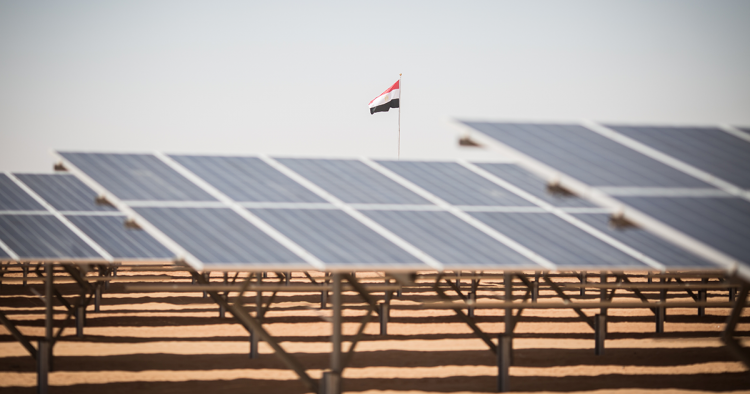
* Solar Power: Egypt boasts abundant solar resources, making it ideal for large-scale solar farms. The Benban Solar Park, one of the largest in the world, is a testament to this potential. Future projects are expected to build on this success.
* Wind Power: The Gulf of Suez and the Red Sea coast offer excellent wind resources. Existing wind farms are being expanded, and new projects are planned to harness this potential.
* Battery Storage: Recognizing the intermittent nature of solar and wind, Egypt is increasingly investing in battery storage solutions. These systems help to stabilize the grid and ensure a reliable power supply. The integration of battery storage is vital for maximizing the utilization of renewable energy.
* Green Hydrogen: Egypt is also exploring the potential of green hydrogen production, utilizing renewable energy to electrolyze water and create a clean fuel source. This could position Egypt as a major exporter of green hydrogen in the future.
Pro Tip: Keep an eye on upcoming tenders for renewable energy projects in Egypt. The New and Renewable Energy Authority (NREA) regularly announces opportunities for private sector participation.
Land Allocation & Future Capacity Additions (2026-2030)
The egyptian government is actively allocating land to the New and renewable Energy Authority (NREA) for the construction of new power generation stations. minister Essmat presented a detailed plan outlining the renewable energy capacity additions
Worth a look