
Workshops within the “KI-Studios” project are currently offering participants in Stuttgart hands-on opportunities to explore, understand, and shape the implementation of artificial intelligence (AI) in professional environments. These sessions, designed to bridge the gap between theoretical AI concepts and practical workplace application, focus on demonstrating active technologies to help employees and managers navigate the evolving digital labor market.
As artificial intelligence continues to reshape industry standards, the “KI-Studios” initiative—which operates as part of a broader push for digital literacy in the Baden-Württemberg region—seeks to provide a grounded perspective on how automated systems can be integrated into daily tasks. According to the project’s program outlines, the workshops are intended for professionals who want to move beyond general awareness and gain a functional understanding of how AI tools function in real-time scenarios.
Understanding the Role of AI in the Modern Workplace
The primary objective of these workshops is to demystify the technology that is increasingly influencing office workflows and manufacturing processes. By providing a controlled environment, the project allows participants to interact with specific software and hardware interfaces that are currently being deployed across various sectors. This hands-on approach is designed to reduce uncertainty and help workers identify which tasks can be effectively automated and which remain inherently human-centric.
For many attendees, the workshops serve as a platform to address concerns regarding job displacement and the shifting requirements for technical skills. By analyzing current AI-driven technologies, the sessions emphasize “co-creation,” a strategy where humans and machines work in tandem rather than in isolation. This focus aligns with broader European initiatives aimed at fostering a human-centric approach to digital transformation, as outlined in the European Commission’s policy framework for AI.
How the “KI-Studios” Workshops Function
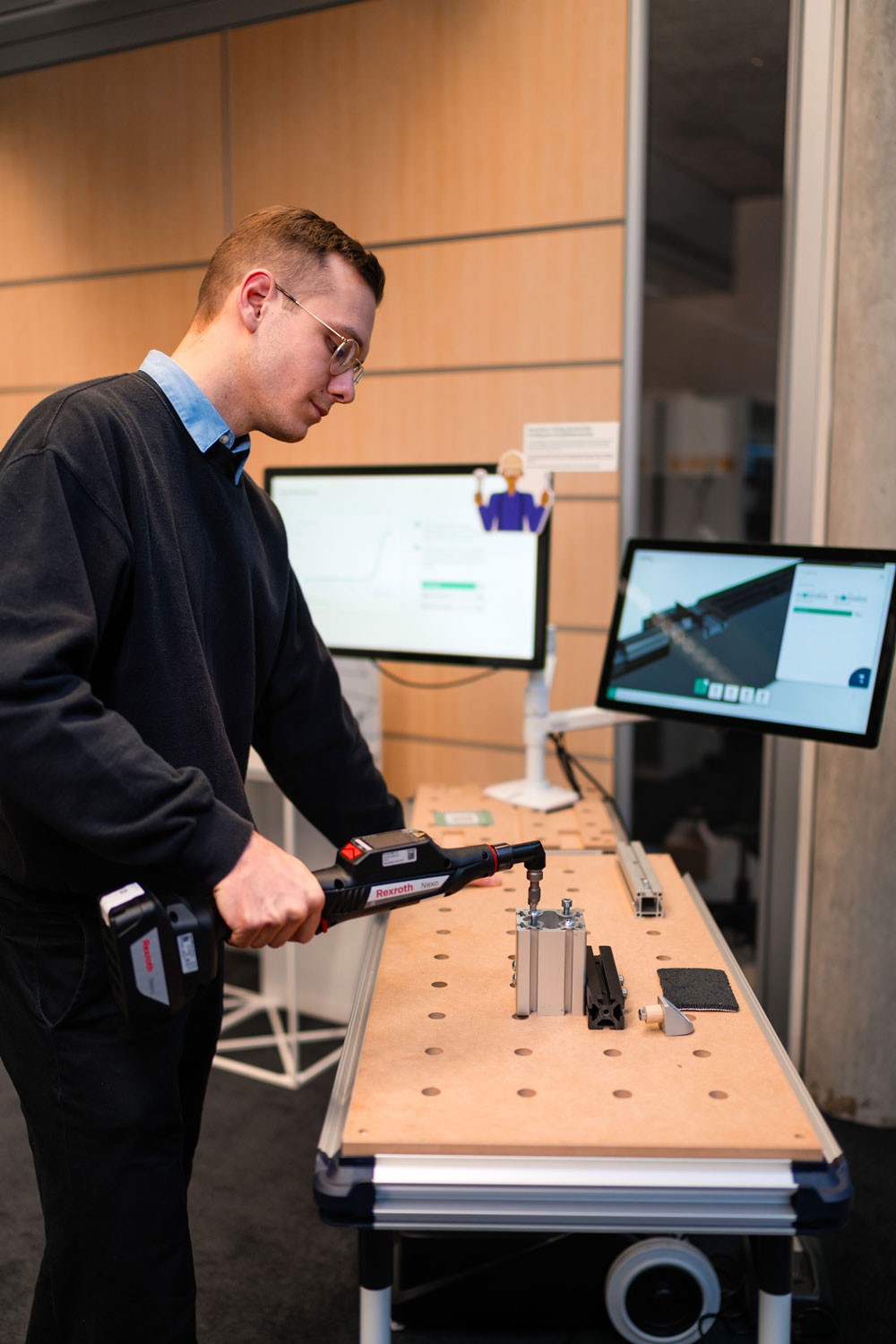
The “KI-Studios” project is structured to offer more than just lectures. Participants engage in interactive modules where they can test AI applications, evaluate the quality of outputs, and discuss the ethical implications of data usage in their specific fields. This structure is intended to move the conversation from abstract fears about technology to concrete discussions about design and implementation.
The workshops generally cover three key areas of engagement:
- Experience: Observing live demonstrations of AI-integrated tools in relevant industry settings.
- Understanding: Breaking down how these algorithms process data and why they produce specific results.
- Shaping: Developing strategies for integrating these tools into existing workflows to improve efficiency without compromising job quality.
By focusing on these three pillars, the project aims to ensure that the workforce is not merely subjected to technological change but is actively involved in directing its trajectory. According to data from the German Federal Ministry of Education and Research, such initiatives are critical for maintaining industrial competitiveness while ensuring workers remain central to the digital transition.
Why Practical Literacy Matters
The necessity for such workshops is driven by the rapid pace of AI adoption in the German economy. As companies look to optimize production and data management, the demand for employees who can effectively manage and audit AI systems is rising. The “KI-Studios” project provides a space for this upskilling, allowing professionals to gain confidence in using new platforms before they become mandatory in their daily operations.
Furthermore, these sessions help mitigate the risks associated with “black box” technology, where the decision-making process of an algorithm is opaque. By teaching participants how to audit and interpret AI results, the workshops promote transparency. This is increasingly relevant as the European Union moves toward the implementation of the EU AI Act, which sets strict requirements for transparency and risk management in high-impact AI systems.
Future Developments and Participation
The “KI-Studios” initiative continues to schedule ongoing sessions throughout the region, adapting its curriculum to reflect the latest developments in machine learning and generative AI. For professionals in the Stuttgart area, the project provides a necessary checkpoint for staying informed about the changing standards of their respective trades.
Those interested in participating or seeking further information on upcoming workshop schedules should monitor official updates via local digital innovation hubs or the project’s primary communication channels. Engaging with these resources is recommended for anyone looking to gain a competitive edge in an increasingly automated labor market.
Have you attended a workshop on AI implementation in your field, or are you planning to? Join the conversation below and share your experiences with integrating new technologies into your workplace.
Related reading