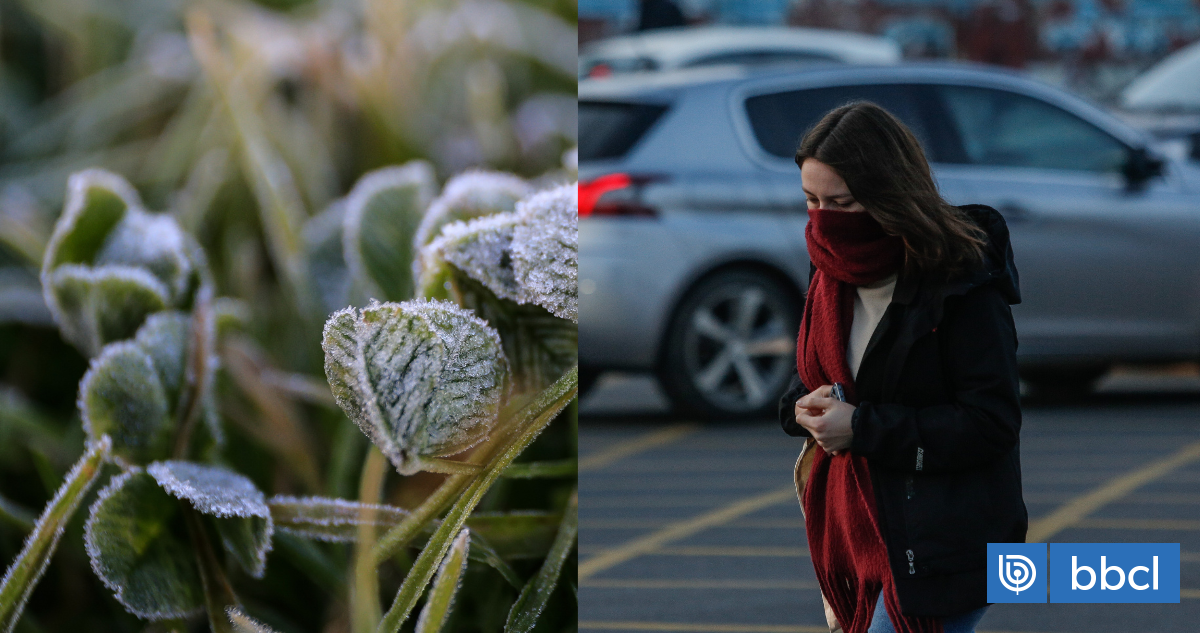
Santiago, Chile — Chile’s Meteorological Directorate (DMC) has issued a cold weather alert for six regions, warning of temperatures dropping below zero degrees Celsius this week. The alert, confirmed by multiple official sources, affects areas including the Metropolitan Region, Valparaíso, O’Higgins, Maule, Ñuble, and Biobío, with some zones potentially experiencing subzero conditions as early as Monday.
According to the DMC, the cold snap is the result of a polar air mass moving across the central and southern regions of the country. While exact temperatures vary by location, authorities have emphasized the need for precautions, particularly for outdoor workers, the elderly, and vulnerable populations. The alert comes as Chile experiences one of its coldest periods in recent years, with some meteorologists describing the conditions as “extreme” for this time of year.
This weather pattern follows a broader trend of unusual cold snaps in South America, with similar alerts issued in neighboring countries such as Argentina and Uruguay. The DMC has advised residents to take necessary precautions, including checking on neighbors, ensuring proper insulation in homes, and avoiding prolonged exposure to cold temperatures.
For real-time updates, residents are encouraged to monitor official channels, including the DMC’s official website and local meteorological services.
Which Regions Are Affected by the Cold Weather Alert?
The DMC’s alert covers six specific regions, each facing varying degrees of cold:
- Metropolitan Region (RM): Temperatures expected to drop to around 5°C (41°F) in urban areas, with colder conditions in rural zones.
- Valparaíso: Coastal areas may see temperatures near 6°C (43°F), while inland regions could experience near-freezing conditions.
- O’Higgins: The region is under a red alert for extreme cold, with temperatures potentially reaching -2°C (28°F) in some areas.
- Maule: Authorities have issued warnings for intense frost, with temperatures dropping to -4°C (25°F) in the early hours.
- Ñuble: Rural zones may face subzero temperatures, particularly in the early morning.
- Biobío: Coastal cities like Concepción may see temperatures around 7°C (45°F), but inland areas could experience near-freezing conditions.
These forecasts align with reports from Chile’s national weather service, which has confirmed the arrival of a polar air mass affecting the central and southern regions. While exact figures vary slightly between sources, the consensus is clear: residents should prepare for unusually cold conditions.
What Are the Risks of Subzero Temperatures in Chile?
The cold weather poses several risks, particularly for vulnerable populations. According to Chile’s Ministry of Health, prolonged exposure to subzero temperatures can lead to hypothermia, frostbite, and respiratory issues, especially among the elderly and those with pre-existing health conditions. Authorities have urged residents to take the following precautions:
- Ensure homes are properly insulated, particularly in older buildings.
- Avoid leaving pets or children unattended in cold environments.
- Check on elderly neighbors and those living in isolated areas.
- Dress in layers and limit outdoor exposure during peak cold hours.
The DMC has also warned of potential disruptions to transportation, particularly in mountainous and rural areas where roads may become icy. Residents traveling to affected regions are advised to monitor road conditions and avoid unnecessary travel during the coldest hours.
How Are Authorities Responding to the Cold Snap?
In response to the alert, local governments have taken several measures to mitigate risks:
- Emergency shelters: The Metropolitan Region has opened temporary shelters for homeless individuals, in coordination with municipal authorities.
- Health advisories: The Ministry of Health has issued public service announcements warning of the dangers of cold exposure, particularly for outdoor workers.
- Road maintenance: The National Roads Directorate (Diren) has deployed additional crews to clear ice and snow from highways in affected regions.
While the alert is focused on immediate risks, meteorologists have also noted that this cold snap may be part of a broader climate pattern affecting South America. Some scientists have suggested that these extreme weather events could be linked to shifting atmospheric conditions, though further research is needed to establish a definitive connection.
What Should Residents Do to Stay Safe?
With temperatures expected to drop further in the coming days, residents in affected regions are advised to take the following steps:

- Prepare an emergency kit: Include warm clothing, blankets, non-perishable food, and a portable charger.
- Monitor official alerts: Follow updates from the DMC (official site) and local emergency services.
- Secure outdoor items: Strong winds accompanying the cold may cause damage to loose objects.
- Check heating systems: Ensure furnaces, heaters, and pipes are in working order to prevent freezing.
For those without access to heating, municipal offices in affected regions have been instructed to provide assistance. Residents experiencing difficulties should contact their local municipal government or the national emergency line at 131.
What Happens Next?
The DMC has indicated that the cold snap will persist through at least the first week of the month, with temperatures gradually stabilizing by mid-week. However, authorities have not ruled out the possibility of additional alerts if conditions worsen.
Residents are encouraged to remain vigilant and follow all safety guidelines issued by local and national authorities. For the latest updates, visit the DMC’s official website or contact emergency services if needed.
This story will be updated as new information becomes available. In the meantime, readers are invited to share their experiences and safety tips in the comments below.