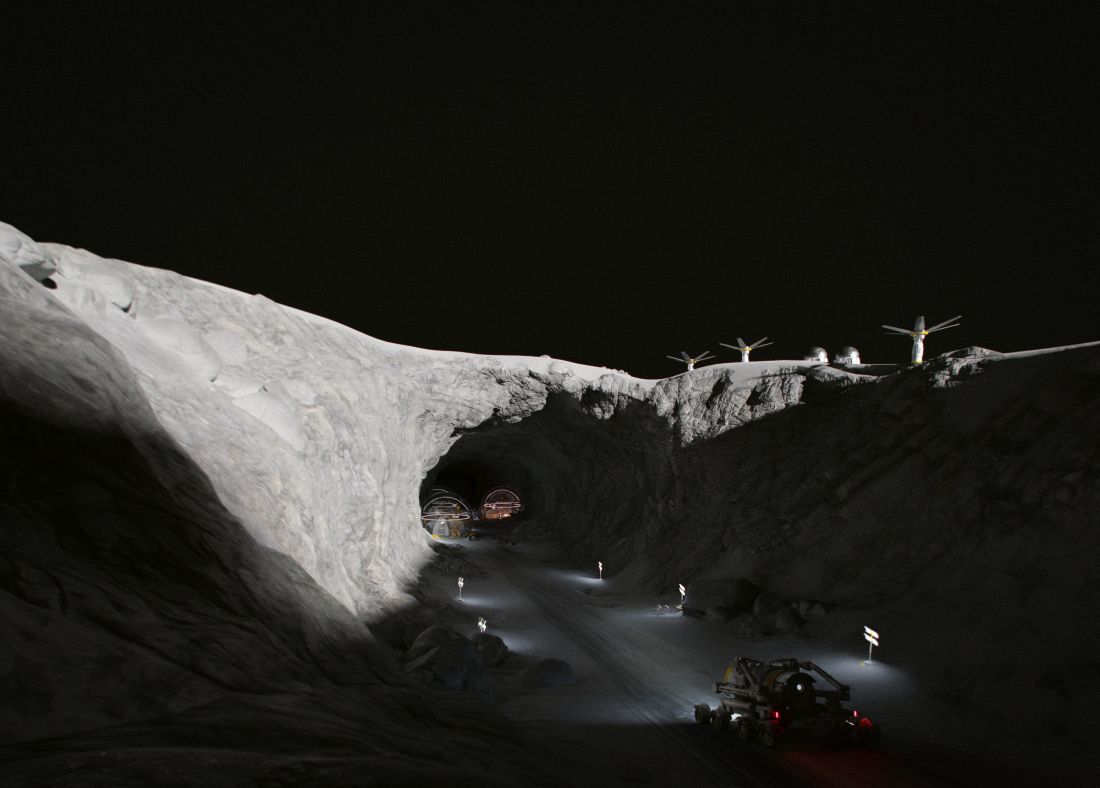
NASA is preparing to conduct a fire experiment on the lunar surface to better understand how flames behave in low-gravity environments, a critical step before establishing a sustained human presence on the Moon. The initiative, known as the Flammability of Materials on the Moon (FM2) experiment, aims to address a significant gap in current space safety protocols: terrestrial fire tests do not accurately replicate lunar conditions.
On Earth, fire safety evaluations for spacecraft materials follow standards like NASA-STD-6001B, which involve exposing samples to a vertical flame for six inches. If the material burns beyond a certain threshold or produces flaming debris, it is deemed unsafe. But, these tests rely on gravity-driven convection, where hot air rises and feeds the flame—a dynamic that does not function the same way in microgravity or the Moon’s one-sixth gravity environment.
In reduced gravity, flames do not rise but instead form spherical, lingering fire balls that can persist unnoticed and reignite when disturbed by air currents from ventilation systems. This behavior was observed during NASA’s Saffire experiments, which burned large fabric samples in uncrewed Cygnus spacecraft after their departure from the International Space Station. Those tests revealed that materials which self-extinguish on Earth can continue to smolder in space, posing a hidden hazard.
The FM2 experiment will place a specialized combustion chamber on the lunar surface to allow for extended observation—lasting many minutes rather than the brief seconds available during parabolic flights. By monitoring how flames spread, decay, and interact with lunar regolith and spacecraft materials under actual lunar conditions, researchers hope to develop more accurate fire detection and suppression systems for future habitats.
This work is particularly relevant as NASA advances its Artemis program, which aims to land the first woman and the next man on the Moon by 2026 and establish a basecamp for long-term exploration. Understanding fire risks is essential not only for astronaut safety but also for protecting infrastructure, including power systems, life support units, and scientific equipment that will be deployed at a lunar base.
Experts emphasize that while radiation and vacuum exposure are commonly cited dangers of lunar habitation, fire represents a uniquely insidious threat because it can evolve silently and spread through shared air supplies in enclosed environments. As one engineer noted in a recent WP Tech article, “We need to grasp how fire acts on the Moon before we send people to live there.”
The FM2 mission reflects a broader shift in space safety engineering toward environment-specific validation. Rather than assuming Earth-based results apply directly to other worlds, NASA is investing in in-situ testing to ensure that habitats, suits, and equipment meet rigorous standards for extraterrestrial use.
As of April 21, 2026, the experiment remains in the final preparation phase, with launch coordinates and payload integration underway at Kennedy Space Center. No crew will be present during the initial test burns, which will be conducted remotely via autonomous systems and monitored by orbiting spacecraft.
For ongoing updates on the FM2 experiment and related Artemis mission developments, NASA provides real-time telemetry summaries and technical briefings through its official website and the Artemis blog.
What are your thoughts on how space agencies should prepare for unconventional hazards like fire on other worlds? Share your perspective in the comments below, and help spread awareness by sharing this article with others interested in the future of space exploration.