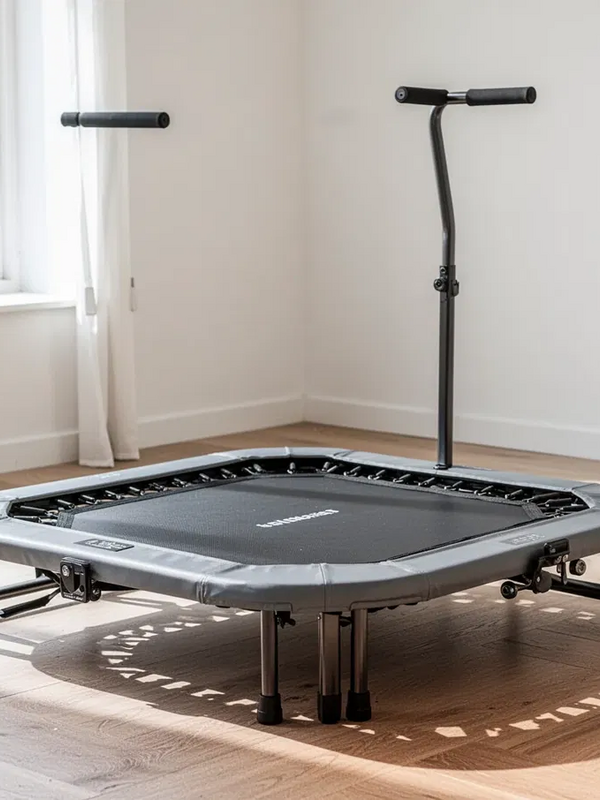
Fitness Trampolines Bounce into German Homes – and Beyond
The home fitness market continues its robust expansion, and a surprising piece of equipment is gaining significant traction: the fitness trampoline. Once relegated to children’s backyards, these rebounding platforms are now being embraced by adults of all ages seeking low-impact, space-saving workouts. Manufacturers are responding with innovative designs, including foldable models and “smart” trampolines equipped with sensors and app connectivity, fueling a market poised for substantial growth. This trend isn’t limited to Germany; the global appetite for accessible and effective home fitness solutions is driving demand worldwide.
The appeal is multifaceted. In an increasingly urbanized world, where space is at a premium, the compact nature of many modern trampolines is a major draw. According to research from Pmarketresearch.com, online platforms currently dominate sales for home fitness trampolines, capturing over 60% of the market share as of 2023. This suggests a consumer preference for convenience and accessibility when purchasing this type of equipment. Beyond space efficiency, the low-impact nature of rebounding exercise makes it an attractive option for individuals managing joint pain or seeking a gentler form of cardiovascular training.
The Science Behind the Bounce
Trampolining isn’t just fun; it’s a surprisingly efficient workout. The elastic surface of the trampoline absorbs impact, reducing stress on the knees, hips, and spine. Studies suggest that rebounding can be more effective than jogging, offering a comparable cardiovascular workout with less strain. A study published in the Journal of Applied Physiology demonstrated that rebound exercise burns 29% more calories than running at the same effort level, highlighting its potential for weight management and improved fitness.
The benefits extend beyond calorie expenditure. Rebounding activates approximately 400 muscles throughout the body, particularly in the legs, core, and torso. This comprehensive muscle engagement strengthens deep stabilizing muscles, improves circulation, and promotes lymphatic drainage. An hour of moderate rebounding can burn up to 750 calories, making it a viable option for those looking to incorporate a high-intensity workout into their routine.
A Workout for Every Generation
One of the key strengths of the fitness trampoline is its adaptability. Children can benefit from improved coordination and balance through playful bouncing, while adults can utilize it as a time-efficient alternative to traditional gym workouts. For seniors, trampolining offers a valuable opportunity to enhance balance and responsiveness – crucial factors in preventing falls. Models equipped with handrails provide added stability and security, and, with a doctor’s approval, gentle rebounding can even be suitable for individuals with osteoarthritis.
The growing awareness of the benefits of low-impact exercise is contributing to the trampoline’s rising popularity among older adults. Targeted muscle building, particularly from age 50 onwards, is essential for maintaining joint health and long-term mobility, and rebounding can be a safe and effective way to achieve this.
Innovation Drives Market Growth
Manufacturers are responding to consumer demand with a wave of innovation. Foldable trampolines, designed to minimize storage space, are becoming increasingly common, as are models with adjustable grab handles for added stability. The next frontier in trampoline technology lies in “smart” trampolines, equipped with sensors that track metrics such as jump height, bounce count, and calorie expenditure.
These smart trampolines synchronize data with fitness apps, providing users with detailed insights into their workouts and allowing them to track their progress over time. Brands like Bellicon are already incorporating AI form correction technology, syncing with apps like Apple Health to provide real-time feedback and guidance. The broader smart fitness equipment market is projected to reach $15 billion by 2027, with trampolines poised to capture a growing share of this expanding market via the Internet of Things (IoT).
manufacturers are increasingly focusing on sustainability, utilizing environmentally friendly materials in their production processes. This commitment to eco-consciousness appeals to environmentally aware consumers and aligns with the growing demand for sustainable fitness solutions.
Market Size and Future Projections
The fitness trampoline market is experiencing significant growth globally. Verified Market Reports projects the market to expand from USD 400 million in 2024 to USD 1.2 billion by 2033, representing a compound annual growth rate (CAGR) of 13.5%. Business Research Insights estimates the home workouts trampoline market was valued at approximately USD 251.8 billion in 2025 and is expected to reach USD 440.8 billion by 2035, with a projected CAGR of 8% from 2026 to 2035. While these figures vary, they both indicate a strong upward trajectory for the industry.
North America currently represents a key region for demand, with over 40% of adults in the United States classified as obese, driving the need for accessible and effective fitness solutions. However, the market is expanding rapidly in other regions as well, fueled by increasing health awareness and the growing popularity of home fitness.
Key Takeaways
- Low-Impact Exercise: Fitness trampolines offer a gentle yet effective workout, minimizing stress on joints.
- Space-Saving Designs: Foldable models cater to the needs of urban dwellers with limited space.
- Smart Technology: Integration of sensors and app connectivity enhances workout tracking and personalization.
- Market Growth: The fitness trampoline market is experiencing robust growth, driven by increasing health awareness and demand for home fitness solutions.
The fitness trampoline has evolved from a recreational pastime to a serious fitness tool. Its unique combination of fun, joint protection, and effectiveness secures its place in the evolving landscape of home fitness. As technology continues to advance and consumer demand grows, we can expect to notice even more innovative features and designs emerge, further solidifying the trampoline’s position as a valuable asset for individuals seeking a convenient and effective way to improve their health and well-being. The latest market reports suggest continued expansion through 2035, with ongoing innovation in smart technology and sustainable materials expected to drive further growth.
Keep an eye on industry reports from companies like Verified Market Reports and Business Research Insights for the latest data and analysis on the home fitness trampoline market.
Keep reading