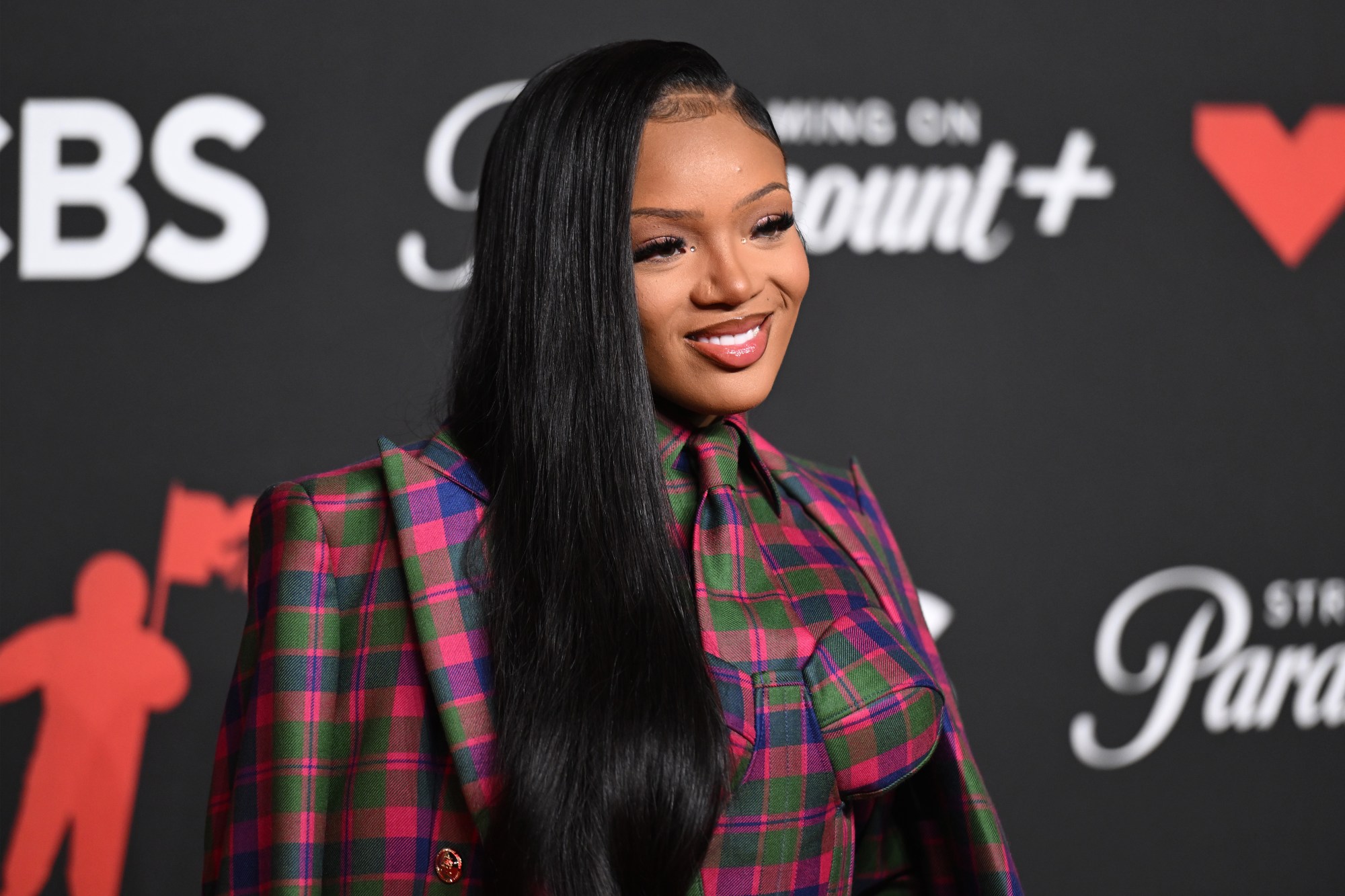
GloRilla Copyright Lawsuit: “No BBL” and the Battle Over Viral Phrases in Music
the line between inspiration and infringement is getting a workout in a Louisiana federal court,as rapper GloRilla seeks to dismiss a copyright lawsuit alleging she borrowed a viral phrase for her hit song “Never Find.” The case, brought by Natalie Henderson, known as Slimdabodylast, centers around the popular expression “no BBL” – a declaration of embracing a natural body – and raises crucial questions about copyright protection for short, commonly used phrases in the age of social media virality.This isn’t just about GloRilla; it’s a landmark case potentially reshaping how artists navigate the landscape of intellectual property and music copyright law.
The Core of the Dispute: “All Natural” vs. “Never Find”
Henderson’s claim stems from her 2024 song, “All Natural,” which prominently features the lyric “all naturale, no BBL.” The track gained traction on platforms like TikTok and Instagram, resonating with a growing movement celebrating body positivity and rejecting cosmetic surgery. Henderson argues that GloRilla’s lyric – “Natural, no BBL, but I’m still gon’ give them hell” – within “Never Find” is strikingly similar and that the rapper, along with UMG Recordings, Warner Chappell Music, and BMG Rights Management, have unfairly profited from her original work. this echoes a broader trend of artists seeking to protect their creative output in the digital realm, especially when it achieves viral marketing success.
GloRilla’s Defense: Access, Similarity, and the Problem of Common Phrases
GloRilla’s legal team is mounting a robust defense, attacking the lawsuit on multiple fronts. Their core argument revolves around the difficulty of proving access – demonstrating that GloRilla actually heard Henderson’s song. Simply posting a song online, they contend, doesn’t meet the legal threshold for establishing access. courts typically require evidence of widespread distribution or commercial success, something Henderson’s team hasn’t demonstrably provided.
Beyond access, the defense argues there’s a lack of considerable similarity between the two works. While both songs utilize the “no BBL” phrase, GloRilla’s lyric appears only once, integrated into a different context and employing a distinct rhyme scheme. The lawyers emphasize that phrases like “give them hell” are commonplace in music and don’t constitute copyrightable copying. This highlights a key principle in copyright litigation: ideas are not protected, only the expression of those ideas.
Furthermore, GloRilla’s team is challenging Henderson’s claim for both statutory and actual damages, arguing she hasn’t proven sufficient infringement to warrant an injunction. They also point to the prevalence of similar phrases celebrating natural bodies in other recent songs, suggesting the phrase itself lacks the originality required for copyright protection. A recent report by the RIAA (Recording Industry Association of America) shows a 16.4% increase in music copyright infringement lawsuits filed in the first half of 2024 compared to the same period in 2023, demonstrating the increasing legal scrutiny surrounding musical works. https://www.riaa.com/
Why This Case Matters: The Future of Viral Phrases and Copyright
This lawsuit isn’t just about two songs; it’s about defining the boundaries of copyright in a world where phrases can become instantly famous through social media. The central question is: can a short, viral phrase, even a popular one, be considered intellectual property?
The legal precedent set by this case could have significant implications for artists across all genres. If the court rules in favor of Henderson, it could open the floodgates for lawsuits claiming ownership over commonly used phrases or slang terms that gain traction online. This could stifle creativity and lead to a chilling affect on artistic expression. Conversely, a ruling in favor of GloRilla would reinforce the principle that common phrases and ideas are not copyrightable, protecting artists from frivolous lawsuits.
Practical Tips for Artists Navigating Copyright Concerns:
Document Your Creative Process: keep detailed records of your songwriting process, including drafts, notes, and influences. This can be invaluable in defending against copyright claims.
Conduct Thorough Research: Before releasing a song, research existing works to ensure your lyrics and melodies are original. Tools like music similarity detectors can be helpful.
* understand Fair Use: Familiarize yourself with the doctrine of fair use,which allows limited use of copyrighted material without permission for purposes such as criticism,commentary,news