
General practitioners across the United Kingdom are reviewing updated financial guidance that appears to reduce the hourly rate available for GP reimbursement scheme claims by approximately 13%. The change, which surfaced in the latest iteration of the Statement of Financial Entitlement (SFE), has prompted significant discussion among medical professionals regarding the sustainability of practice funding and the administrative burden of primary care delivery. According to the Department of Health and Social Care, the SFE serves as the legal framework governing payments to GP practices, and any adjustments to these rates directly impact the operational budget for local clinics.
The adjustment to the hourly rate represents a shift in how the National Health Service manages practice overheads and staffing costs. For many clinics, the reimbursement scheme provides a vital mechanism for covering the expenses associated with locum coverage and temporary staffing needs during periods of leave or high patient demand. As established by the NHS England, the contractual obligations of practices are tied to these funding streams, making even incremental percentage shifts in reimbursement rates significant for practice managers attempting to balance budgets against rising operational costs.
The reduction in the hourly rate is part of a broader review of primary care funding, which has been under intense scrutiny following the 2024/25 contract negotiations. While the government maintains that these adjustments are necessary to ensure the efficient allocation of public funds, representative bodies have expressed concern over the potential impact on patient access. The British Medical Association has consistently highlighted that changes to reimbursement structures must be viewed in the context of inflation and the increasing complexity of patient care in a community setting.
Understanding the Impact on Practice Budgets
The primary concern for practice managers is how a 13% reduction in the reimbursement hourly rate affects the ability to maintain consistent service levels. When a practice utilizes the reimbursement scheme to secure temporary medical staff, the gap between the actual cost of hiring a locum and the amount reimbursed by the NHS is expected to widen under the new SFE parameters. According to NHS England data on general practice workforce and funding, the reliance on such schemes is often higher in regions facing recruitment challenges or elevated rates of physician burnout.

This financial pressure is not occurring in a vacuum. Practices are currently managing the transition to new digital integration requirements and updated performance metrics as outlined in the 2024/25 GP contract agreement. When the reimbursement for staff costs is lowered, practices are often forced to choose between absorbing the cost, which impacts the overall practice budget, or limiting the availability of temporary staff, which can lead to longer wait times for patient appointments.
Financial Governance and the SFE
The Statement of Financial Entitlement is the definitive document for how GP practices are paid. It is updated periodically to reflect government policy on primary care spending. Any revision, such as the recent change to the hourly reimbursement rate, must be processed through the official legislative and regulatory channels to ensure compliance with the National Health Service Act 2006. For practitioners, the SFE is the primary reference point for financial planning, and any discrepancy between the expected and actual reimbursement rates can cause significant administrative friction.
Practices are advised to review the specific annexes within the latest SFE document to determine how the 13% reduction applies to their specific staffing contracts. The NHS Business Services Authority provides detailed guidance on the submission of claims, and practice managers should ensure that all reimbursement applications align with the current regulatory definitions to avoid delays in payment processing. Failure to adhere to the updated fee schedules can result in rejected claims, further exacerbating the financial strain on the practice.
What Happens Next for General Practice
The next major checkpoint for primary care funding will be the publication of the 2025/26 contract framework. Stakeholders, including the Royal College of General Practitioners, are expected to lobby for a review of the current reimbursement mechanisms to better reflect the realities of clinical operational costs. While no formal date has been set for the next round of major policy revisions, the NHS typically releases updates to the SFE following significant contract negotiations or annual budget announcements from the Treasury.
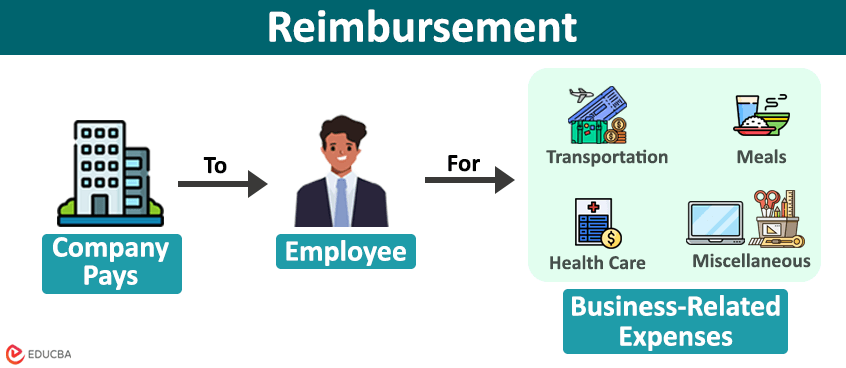
Practitioners and practice managers are encouraged to monitor the official Department of Health and Social Care announcements for any further clarifications or potential adjustments to the reimbursement scheme. Ongoing dialogue between local medical committees and regional NHS commissioners remains the most effective channel for addressing specific concerns regarding the sustainability of these funding rates. We invite readers to share their experiences with the updated reimbursement process in the comments section below, as we continue to track developments in primary care funding policy.