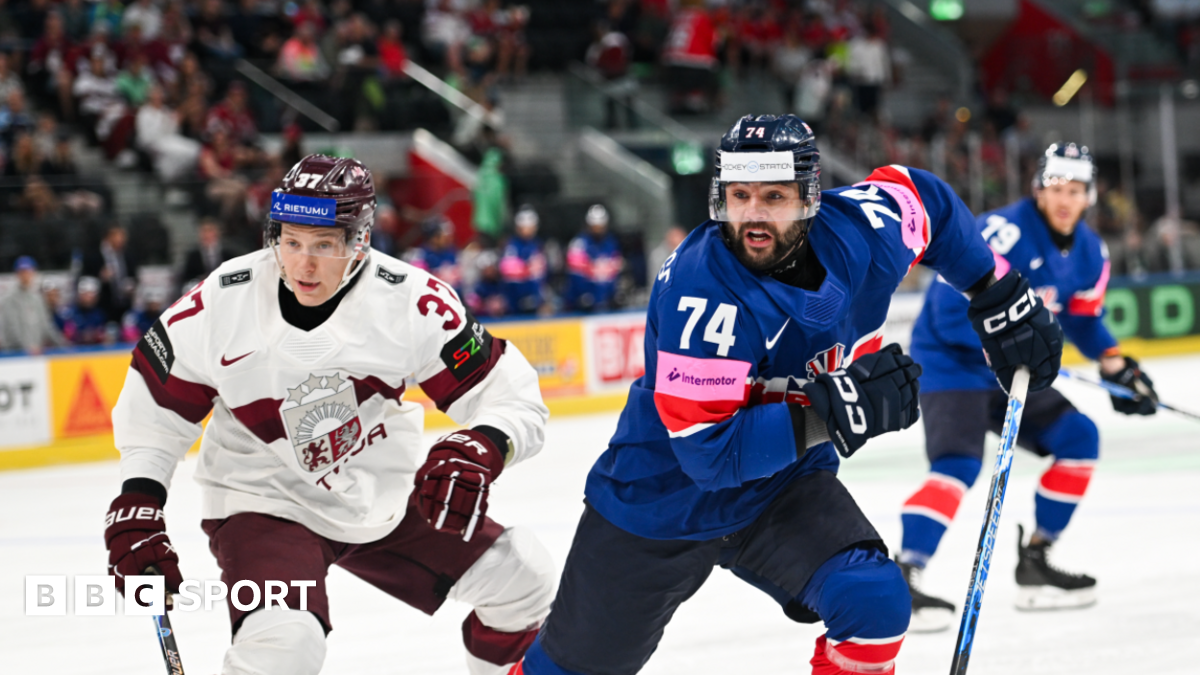
Great Britain’s men’s ice hockey team has been relegated from the top division of the International Ice Hockey Federation (IIHF) World Championship following a 6-0 loss to Latvia. The defeat, which took place in Riga, confirmed the team’s bottom-place finish in Group B, ending their tenure in the elite tier of the competition for the 2024 season.
The result leaves Great Britain with a solitary point from their seven group-stage matches, collected during an overtime loss. According to official IIHF standings, this performance places them behind their group rivals, necessitating a return to Division I, Group A for the upcoming international cycle. Latvia, meanwhile, utilized the victory to conclude their campaign on a positive note, though they did not progress to the knockout stages.
Match Dynamics and Statistical Breakdown
The match saw Latvia exert control from the opening period, as the hosts capitalized on their superior puck possession and offensive pressure. Latvian forwards found gaps in the British defensive structure early, establishing a lead that Great Britain proved unable to bridge. According to the official match report from the IIHF, the scoring distribution highlighted a balanced offensive effort from the Latvian side, which maintained consistent momentum throughout the 60 minutes of play.
British goaltending faced significant volume, with the Latvian side recording a high number of shots on target. Despite attempts to transition the puck through the neutral zone, Great Britain struggled to sustain offensive zone time, finishing the tournament with a goal differential that reflected the difficulty of competing against established top-tier nations. This relegation marks the latest chapter in the fluctuating fortunes of the British national program, which has moved between the top division and Division I over the past several years.
Understanding the Relegation Context
The IIHF World Championship format mandates that the teams finishing at the bottom of their respective groups are relegated to the next lower division. For Great Britain, this outcome was solidified after a challenging tournament schedule that pitted them against several of the world’s top-ranked hockey programs. The IIHF tournament rules dictate that the bottom team in each of the two preliminary groups must drop down, ensuring that the elite level remains highly competitive.
For players and staff, the relegation represents a significant setback in the team’s efforts to establish a permanent foothold among the world’s elite. Analysts often point to the disparity in resources and the depth of domestic talent pools as primary factors when comparing nations like Great Britain to long-standing top-division mainstays. Following the conclusion of the group stage, the focus for the British Ice Hockey Association shifts toward preparing for the Division I, Group A tournament, where they will aim to regain promotion.
What Happens Next for the National Team
Following the conclusion of the 2024 IIHF World Championship, the focus turns to the development of the squad and the selection process for the next international cycle. The British team is scheduled to compete in the Division I, Group A qualification process, where they will face opponents aiming for a return to the top flight. According to the Ice Hockey UK official portal, updates regarding future training camps and international fixtures are expected to be released in the coming months as the governing body resets its strategy.

Fans and stakeholders are looking toward the next IIHF congress for confirmation of the specific dates and host locations for the upcoming Division I tournaments. As the team recalibrates, the primary objective remains the cultivation of young talent and the refinement of tactical systems that can withstand the rigors of high-level international competition. Readers interested in following the team’s progress can monitor official announcements through the governing body’s website or the IIHF’s tournament dashboard.
We encourage readers to share their thoughts on the team’s performance and the future of the sport in the comments section below.
Keep reading