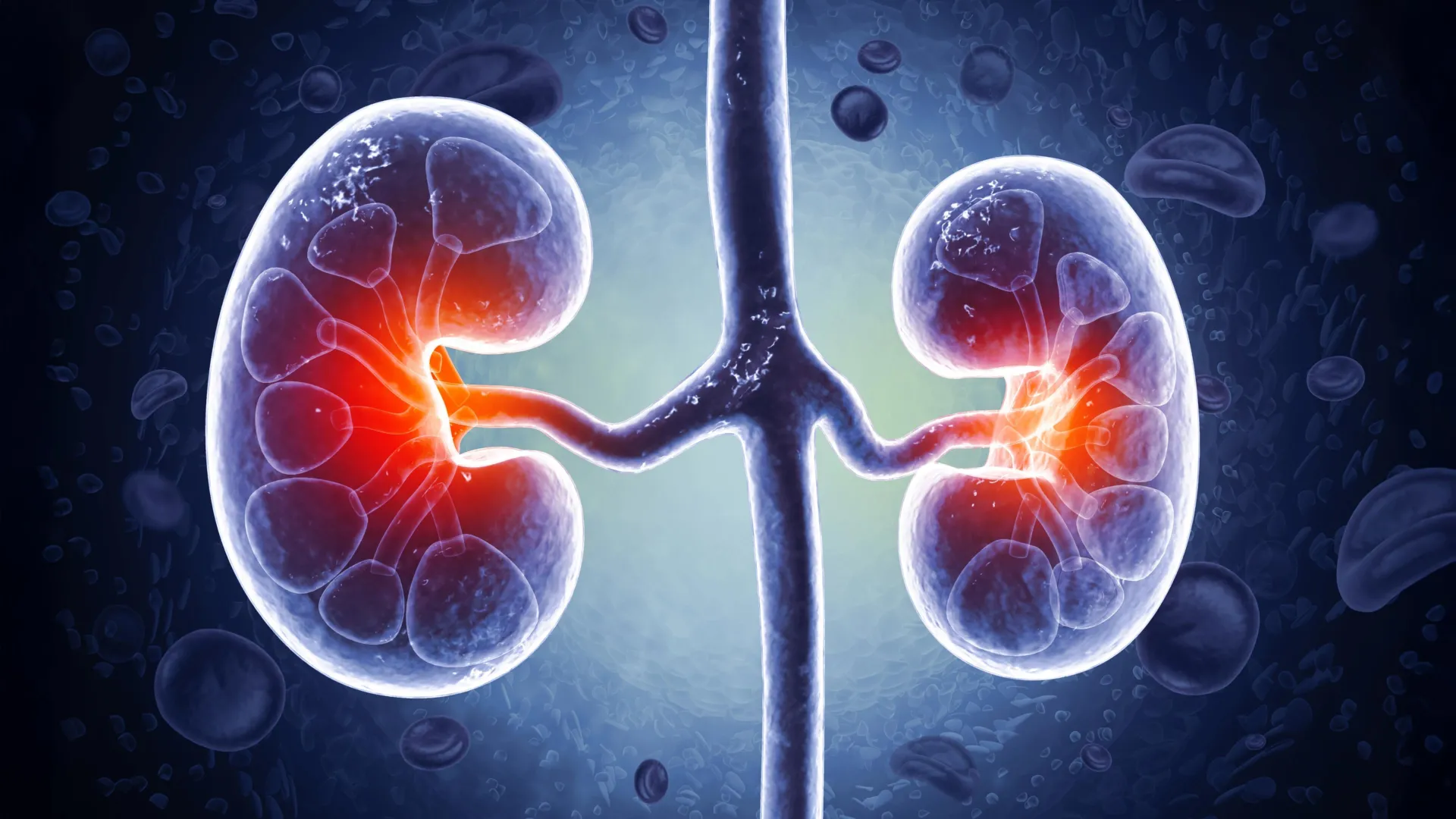
Hidden Culprit in Diabetic Kidney Disease Identified: Corisin and Potential for Novel Antibody treatment
Diabetic kidney fibrosis, a leading cause of kidney failure globally, has long presented a frustrating clinical challenge. Despite advancements in managing diabetes itself,a definitive understanding of the underlying mechanisms driving kidney damage – and effective treatments to halt its progression – have remained elusive. Now,a groundbreaking collaborative study from the University of Illinois Urbana-Champaign and Mie University in Japan has pinpointed a surprising culprit: a bacterial peptide called corisin,produced by Staphylococcus bacteria in the gut. This discovery, published in Nature Communications, not only illuminates a previously unknown pathway to kidney damage but also opens the door to a potentially transformative antibody-based therapy.
The Mystery of Diabetic Kidney Fibrosis & A Novel Suspect
For years, researchers have struggled to unravel the complexities of diabetic kidney fibrosis. Current treatment strategies primarily focus on managing associated conditions like high blood sugar and blood pressure, offering limited impact on the actual scarring and fibrotic processes within the kidney. “Many people with longstanding diabetes eventually develop kidney fibrosis, and once it progresses, there are limited options beyond dialysis or kidney transplantation,” explains Dr. Taro Yasuma of Mie University, a medical doctor and the lead author of the study. “We needed to identify the core drivers of this disease to develop truly effective interventions.”
The research team, led by Professor Isaac Cann of the University of Illinois’ Department of Animal Sciences and Professor dr. Esteban Gabazza of Mie University’s Department of Immunology, began by investigating the blood and urine of patients diagnosed with diabetic kidney disease. A striking correlation emerged: patients exhibited considerably elevated levels of corisin compared to healthy individuals, and the concentration of corisin directly correlated with the severity of kidney damage.
From Gut Bacteria to Kidney Damage: Unraveling the Pathway
Intrigued by these findings, the researchers replicated the results in mouse models of kidney fibrosis. further investigation revealed a disturbing mechanism: corisin accelerates aging at the cellular level within the kidneys. This triggers a cascade of detrimental effects – inflammation, cell death, and ultimately, the accumulation of scar tissue, leading to progressive loss of kidney function.
But how does a peptide produced in the gut reach and impact the kidneys? This question prompted a collaboration with Professor Diwakar Shukla’s group at the University of Illinois’ Department of Chemical and Biomolecular Engineering. Utilizing sophisticated computer simulations and laboratory experiments, the team discovered that corisin cleverly hitches a ride through the bloodstream by binding to albumin, the most abundant protein in blood. Upon reaching the kidneys, corisin detaches from albumin and directly attacks the delicate filtration structures, exacerbating damage.
Antibody Treatment Shows Promise in Preclinical Studies
To definitively establish corisin’s role as a key driver of kidney damage, the researchers administered antibodies specifically designed to neutralize corisin to the mice. The results were remarkable. “When we treated the mice with an antibody that neutralizes corisin, it slowed the aging of kidney cells and greatly reduced kidney scarring,” states dr. Gabazza. This dramatic reduction in kidney damage strongly suggests that blocking corisin could offer a powerful new therapeutic strategy.
Looking Ahead: Towards Human Clinical Trials
While a corisin-neutralizing antibody isn’t currently approved for human use, the research team is optimistic. they are now planning to conduct further studies in larger animal models, such as pigs, to assess the safety and efficacy of anticorisin treatments and pave the way for potential human clinical trials. The University of Illinois and Mie university have jointly filed an invention disclosure for corisin antibodies, signaling their commitment to translating this discovery into a viable treatment option.
“Our work suggests that blocking corisin, either with antibodies or other targeted therapies, could slow down or prevent kidney scarring in diabetes and thus enhance the quality of life for patients,” concludes Professor Cann. This research represents a notable leap forward in our understanding of diabetic kidney fibrosis and offers a beacon of hope for the millions worldwide affected by this debilitating condition.
Key Takeaways:
* novel Discovery: Corisin, a bacterial peptide, is identified as a key driver of diabetic kidney fibrosis.
* Gut-Kidney Connection: The study elucidates how corisin travels from the gut to the kidneys via albumin.
* Promising Therapy: Antibody treatment targeting corisin significantly reduced kidney damage in preclinical models.
* Future Directions: Further research is underway to translate these findings into human clinical trials.
Sources:
* Cann,I., Gabazza, E.,Yasuma,T., et al.(2024).Nature Communications.[Linktooriginalpublication-[Linktooriginalpublication-[Linktooriginalpublication-[Linktooriginalpublication-replace with actual link when available]
E-E-A-T Considerations & Indexing Notes:
* Expertise: The content is based on peer-reviewed research from leading universities
Related reading