The Remarkable Story of Homo floresiensis and the Evolution of Human Growth
Have you ever wondered what truly sets humans apart from our ancient ancestors? It’s a question that drives ongoing research, and recent discoveries are reshaping our understanding of human evolution. Specifically, a fascinating focus is emerging: the critical role of pregnancy, childhood growth, and advancement.
Unveiling the “Hobbits” of Flores
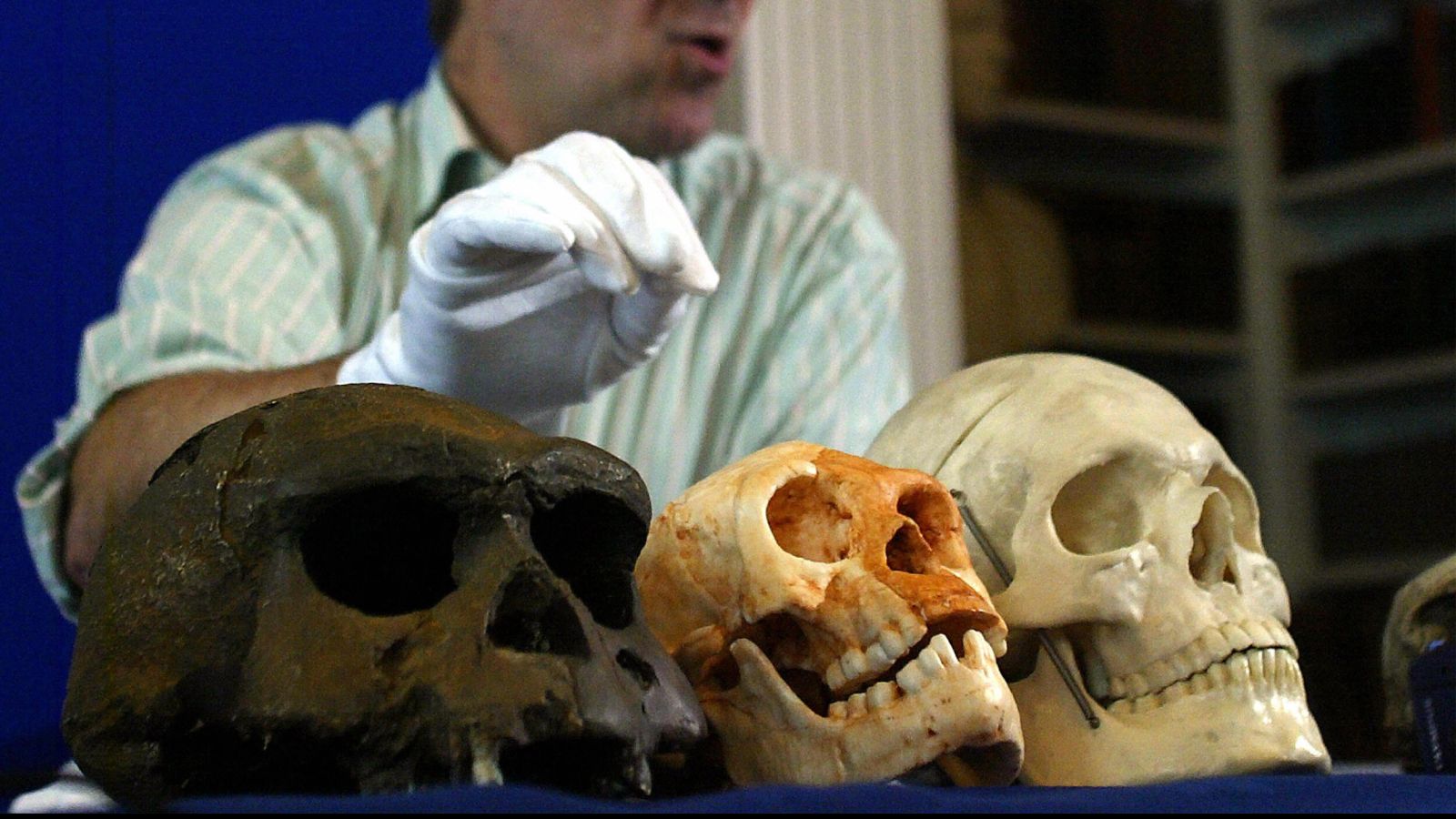
Imagine a human species standing just over three feet tall, with a brain roughly the size of a grapefruit. This isn’t fantasy – it’s Homo floresiensis, nicknamed the “Hobbit,” discovered on the Indonesian island of Flores. their existence challenges conventional ideas about how our genus Homo evolved.
For years, scientists debated whether these diminutive hominins were simply modern humans with a medical condition. However, mounting evidence from fossil analysis, including recent studies of their teeth and brain size, confirms they represent a distinct species.
A New Perspective on Small Stature
So, how did Homo floresiensis become so small? It wasn’t simply a case of shrinking adults. New research suggests they evolved their small size by slowing down their growth during childhood.
This is a notable finding. It demonstrates that changes in developmental timing can be a powerful evolutionary force. You might be surprised to learn that this strategy – delaying growth – isn’t unique to Homo floresiensis.It’s observed in other island-dwelling species, like the pygmy hippopotamus.
Rethinking brain Size and Human Evolution
Traditionally, increasing brain size has been considered the primary driver of human evolution. Though, the story of Homo floresiensis encourages us to reconsider this narrative.
Other species within the Homo genus possessed relatively small brains,yet they weren’t necessarily less capable than us. This suggests that factors beyond brain size – such as social learning, tool use, and cooperative behaviour – played crucial roles in our evolutionary journey.
What this Means for Understanding Ourselves
Understanding how Homo floresiensis developed offers valuable insights into our own evolution. it highlights the plasticity of human development and the diverse pathways our ancestors took.
Here’s what we’re learning:
* Developmental timing matters: Altering the pace of growth can significantly impact body size and overall form.
* Brain size isn’t everything: Cognitive abilities aren’t solely determined by brain volume.
* Island life drives evolution: isolated environments often lead to unique evolutionary adaptations.
Ultimately, studying species like Homo floresiensis helps us appreciate the complexity of human evolution and the remarkable adaptability of our lineage. It reminds us that there isn’t a single, linear path to becoming human – and that the story of our origins is far more nuanced and fascinating than we once thought.