
The United States is grappling with a systemic crisis in rural healthcare, characterized by aging infrastructure, severe staffing shortages, and the burden of long commutes for patients seeking basic care. In response, the Trump administration has introduced the Rural Health Transformation Program, a strategic effort to modernize medical delivery in underserved areas through a combination of massive funding and the integration of emerging technologies.
At the center of this initiative is a $50 billion investment over the next five years. This funding aims to stabilize rural clinics and hospitals even as pushing for the adoption of artificial intelligence—including the deployment of “AI nurses”—to bridge the gap left by a dwindling human workforce. But, the program arrives during a period of significant financial volatility, as Medicaid faces potential cuts that could reach nearly a trillion dollars over the next decade, according to KFF Health News.
For health policy experts and clinicians, the program represents a pivot toward “technology as a workforce multiplier.” Rather than relying solely on short-term staffing fixes, the administration and participating states are attempting to create sustainable pipelines for providers while using AI and telehealth to extend the reach of the remaining clinicians.
The Strategic Pillars of Rural Health Transformation
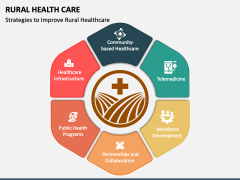
Analysis of the program’s early implementation reveals that states are not treating the funding as a simple grant, but as a catalyst for structural change. According to Dr. Mark Holmes, director of UNC Chapel Hill’s Cecil G. Sheps Center for Health Services Research, several key themes have emerged across state applications for the program.
The most critical “unifying thread” is the focus on workforce development. Rather than temporary staffing solutions, states are prioritizing local pipelines. This includes the creation of new rural residencies for physicians and dentists, as well as the implementation of tuition and preceptor incentives to attract and retain medical professionals in rural corridors. Some regions are training non-health professionals as community health workers to help patients navigate the complexities of the healthcare system.
Technology is being positioned not as a replacement for human care, but as a tool to maximize existing resources. Telehealth, remote monitoring, and interoperability are being deployed to allow scarce clinicians to manage more patients more effectively. To ensure these digital tools are sustainable, states are increasingly pairing telehealth investments with value-based care metrics.
Integrating Specialized Care into Rural Clinics
A significant portion of the Rural Health Transformation Program is dedicated to addressing the “care deserts” associated with behavioral and maternal health. Roughly two-thirds of state applications include explicit initiatives for these sectors. To bring this specialized care into rural hospitals, states are utilizing:
- Consultation lines to connect rural providers with specialists.
- Simulation training to upgrade the skills of local staff.
- Integrated perinatal and behavioral care models within existing rural clinics.
Sustainability Versus Innovation
While the introduction of AI nurses and high-tech monitoring captures headlines, the underlying goal for many states is solvency. In a review of narratives from 21 states that have publicly posted their applications, Dr. Holmes noted that the word “sustainability” appeared more frequently than “innovation.”
This focus on long-term viability is manifesting in several ways. Some states are pursuing global budget reforms or creating “rural flex funds” to ensure hospitals remain solvent. Others are treating data and governance capacity as core public goods, building permanent infrastructure for analytics and administration rather than relying on one-time grants.
The tension, however, remains the contrast between this $50 billion influx and the broader fiscal landscape. The potential for trillion-dollar cuts to Medicaid creates a precarious environment where the success of the Rural Health Transformation Program may depend on whether AI and workforce efficiencies can offset the loss of traditional government funding.
Key Program Components at a Glance
| Focus Area | Primary Strategy | Expected Outcome |
|---|---|---|
| Workforce | Rural residencies and tuition incentives | Long-term clinician retention |
| Technology | AI nurses and telehealth | Increased clinician reach |
| Specialized Care | Behavioral and maternal health integration | Reduced care deserts for high-risk patients |
| Governance | Permanent analytics infrastructure | Improved systemic solvency and data apply |
As the program moves from the application phase to implementation, the medical community will be watching closely to see if AI can truly supplement the human element of nursing and primary care without compromising the quality of patient outcomes in the nation’s most vulnerable regions.
For those following the rollout of these initiatives, the next critical checkpoints will be the public release of further state applications and the subsequent reporting on the efficacy of the first wave of AI-integrated rural clinics.
Do you believe AI can effectively fill the gap in rural healthcare, or should the focus remain exclusively on human workforce incentives? Share your thoughts in the comments below.
Related reading