
Grid-scale energy storage systems are experiencing accelerated battery wear in specific high-frequency operational environments, with some configurations reaching their cycle life limits in as little as several days. While lithium-ion battery arrays are essential for balancing renewable energy intermittency and stabilizing power grids, the rapid degradation observed in extreme cycling scenarios presents a significant challenge for grid operators and utility providers managing energy storage assets.
According to research into battery degradation mechanics, the lifespan of a battery is typically measured in cycles—a full discharge and recharge process. While many grid-scale systems are designed to operate for thousands of cycles over a decade or more, “micro-cycling” or high-frequency regulation services can force a battery through hundreds of cycles in a matter of days. This intense usage pattern triggers chemical degradation within the cells, specifically through the growth of the solid electrolyte interphase (SEI) layer and lithium plating, which reduces the total energy capacity available to the grid.
Understanding Cycle Life in Grid Energy Storage
The transition toward high-penetration renewable energy grids has increased the demand for short-duration, high-frequency energy storage. As documented by the National Renewable Energy Laboratory (NREL), energy storage systems perform a variety of services, ranging from frequency regulation—which requires rapid, frequent, and shallow charging and discharging—to energy arbitrage, which involves longer, deeper cycles. The wear profile of a battery changes drastically depending on which of these roles it serves.
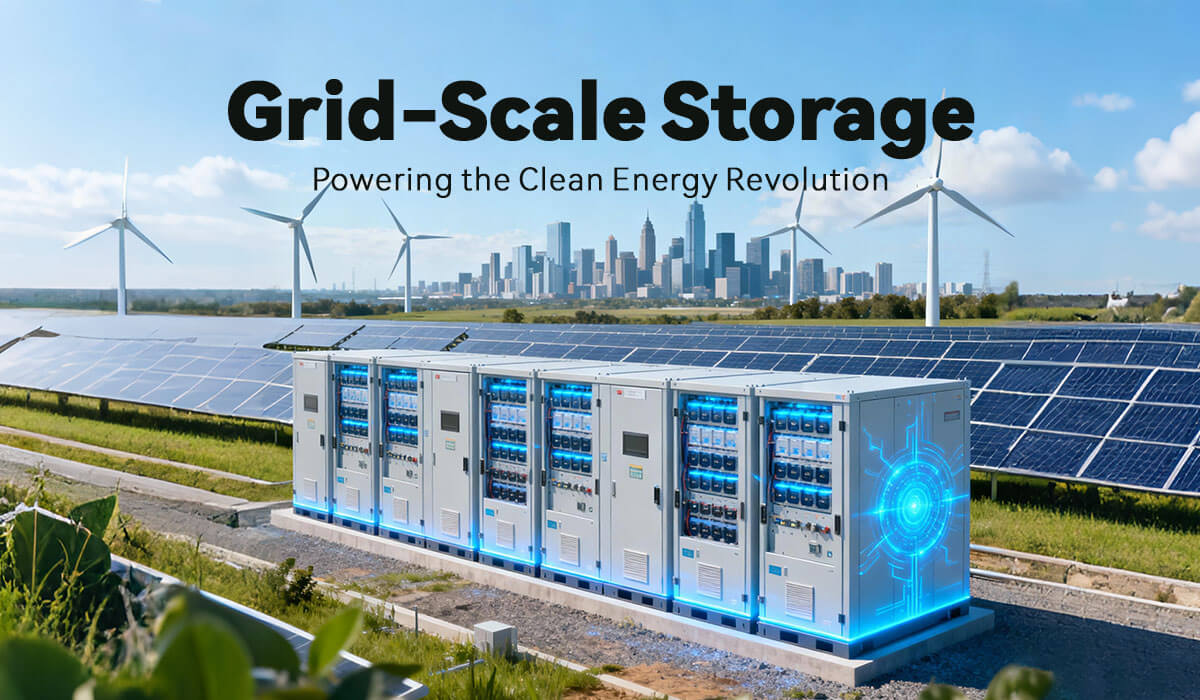
When a system is dedicated solely to frequency regulation, it may undergo hundreds of partial cycles daily. If a system is pushed to its physical limit with high-depth-of-discharge cycles, the accumulation of 500 to 1,000 cycles can theoretically occur within a significantly compressed timeline compared to standard peak-shaving operations. This rapid cycling leads to thermal stress and mechanical fatigue within the electrodes, often shortening the effective operational life of the battery modules if the thermal management systems are not optimized for such high-throughput duty cycles.
Chemical Degradation and Grid Reliability
The core of the issue lies in the electrochemical limits of lithium-ion technology. As detailed in reports from the U.S. Department of Energy (DOE), battery degradation is non-linear. The rate of capacity loss is influenced by temperature, state-of-charge (SOC) swings, and the speed of current flow. When grid operators demand immediate power response, the high C-rates (the speed at which a battery is charged or discharged) can accelerate the internal resistance of the cells.
.png?1603260605 "Chemical Degradation and Grid Reliability")
Utility-scale projects must account for this by over-provisioning capacity or implementing sophisticated battery management systems (BMS) that limit the depth of discharge during high-frequency events. The economic viability of these projects depends on accurately predicting the “state-of-health” (SOH) of the batteries. When degradation occurs faster than the financial model predicts, it creates a risk for the project’s internal rate of return, as the cost of replacement or augmentation becomes a factor much sooner than anticipated.
Mitigation Strategies for Utility Operators
To manage the risks associated with rapid cycling, industry leaders are increasingly turning to hybrid energy storage systems and advanced control software. By combining high-power, short-duration storage like supercapacitors or lithium-titanate (LTO) batteries with high-energy lithium-iron-phosphate (LFP) systems, operators can distribute the load. This prevents the primary battery bank from absorbing the most damaging, high-frequency spikes.
Furthermore, the Federal Energy Regulatory Commission (FERC) has established frameworks, such as Order No. 841, to ensure that energy storage resources can participate fully in wholesale electricity markets. These regulations allow for more precise compensation for the services provided, which helps operators justify the investment in more durable, long-life battery chemistries or better cooling infrastructure to mitigate the heat generated during rapid cycling.
Future Outlook for Grid Resilience
As the global energy landscape moves toward greater reliance on intermittent sources like wind and solar, the role of stationary storage will only expand. The industry is currently shifting toward chemistries that offer higher cycle counts, such as LFP, which generally exhibits better cycle life stability than nickel-manganese-cobalt (NMC) chemistries under high-stress conditions. Research continues into flow batteries and other non-lithium alternatives that are inherently more resistant to the cycle-life limitations seen in traditional ion-based systems.
For stakeholders, the next checkpoint involves the ongoing publication of long-term field data from large-scale pilot projects currently monitored by national laboratories. These datasets, expected to be updated periodically throughout the coming fiscal year, will provide clearer benchmarks for how different battery chemistries perform under real-world grid conditions. Understanding these wear patterns is crucial for ensuring that the transition to a decentralized, renewable-heavy grid remains both technically feasible and economically sustainable.
We invite readers to share their insights or experiences regarding grid-scale energy storage deployments in the comments section below. For ongoing updates on energy policy and battery technology, please monitor the official bulletins from the U.S. Energy Information Administration (EIA).
Keep reading