
Aral pulse has implemented a pricing adjustment across its network, effectively reducing charging costs for electric vehicle (EV) users by up to 10 percent at specific locations. This shift in pricing structure is designed to simplify the cost of public charging by removing certain administrative fees for customers utilizing the company’s own infrastructure, provided they adhere to specific payment methods. According to official company policy, the elimination of these surcharges applies when drivers process transactions through the Aral pulse app, the proprietary charging card, credit cards, or by scanning the provided QR codes at charging stations.
Understanding the Price Adjustment
The decision to lower costs comes as the German charging infrastructure market faces increased scrutiny regarding price transparency. By removing fees that were previously applied to ad-hoc or third-party payment processes, Aral pulse—the electric mobility brand of the energy giant Aral (a subsidiary of bp)—is attempting to streamline the user experience. The 10 percent reduction in costs primarily targets the service fees that typically inflate the price of a kilowatt-hour for occasional users who do not hold long-term subscription contracts.
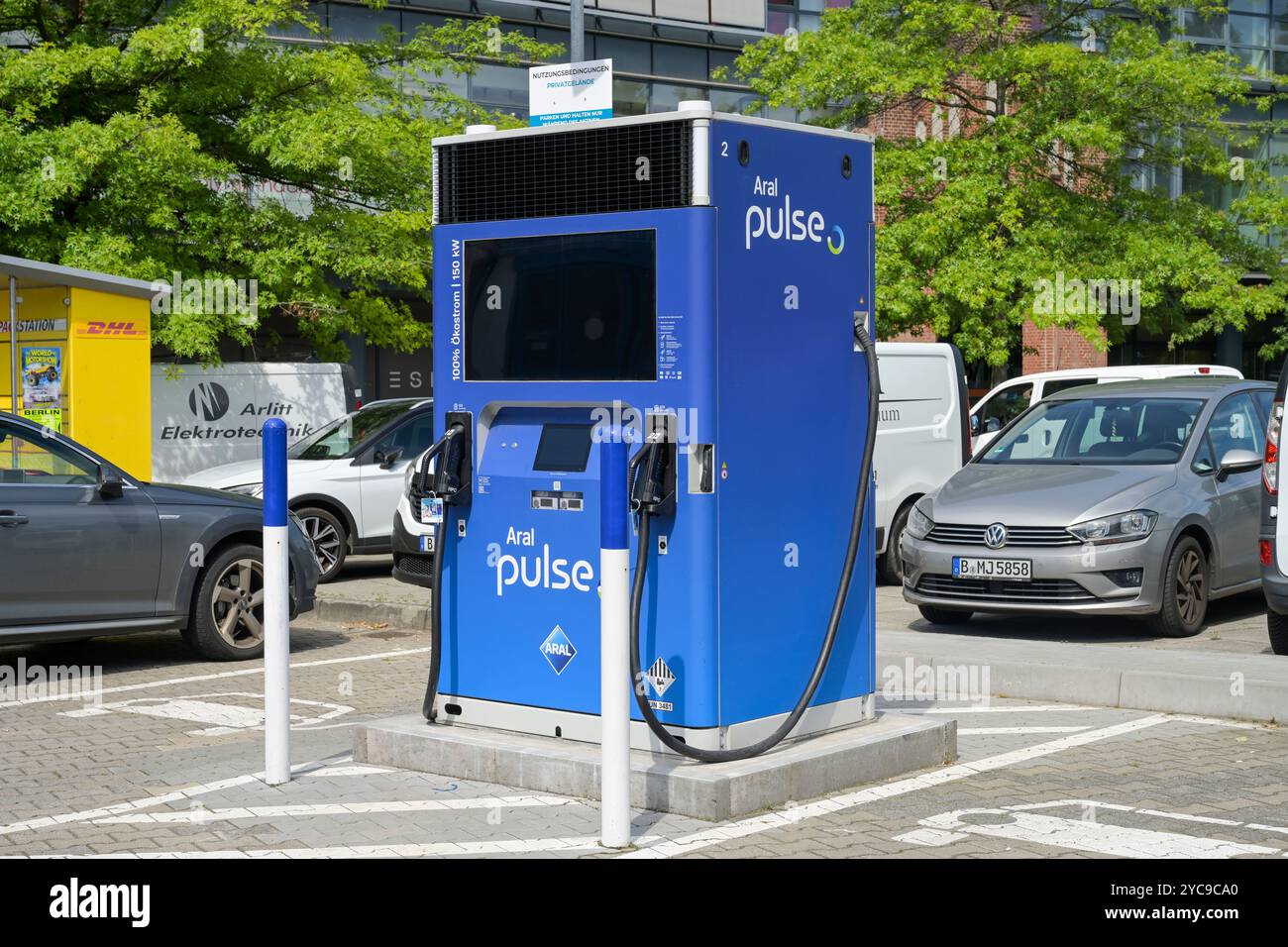
For many EV drivers, public charging remains a complex landscape of varying tariff models. The removal of these specific fees serves as a direct incentive for users to remain within the Aral pulse ecosystem. As reported by industry analysts, the move reflects a broader trend among major energy providers to consolidate their market share by incentivizing the use of integrated digital payment platforms. This pricing strategy aligns with the company’s long-term goal of expanding its high-power charging (HPC) network across Germany and the wider European market, as detailed in recent corporate updates from bp.
Impact on EV Charging Costs
The financial impact of this change is most significant for those who frequently rely on public charging rather than home-based charging solutions. By opting for the digital payment methods sanctioned by Aral pulse, users avoid the “roaming” or transaction surcharges that are often imposed when using third-party mobility service providers (MSPs). These fees have historically been a point of friction for EV owners, as they can sometimes increase the total price per charge by a notable margin.
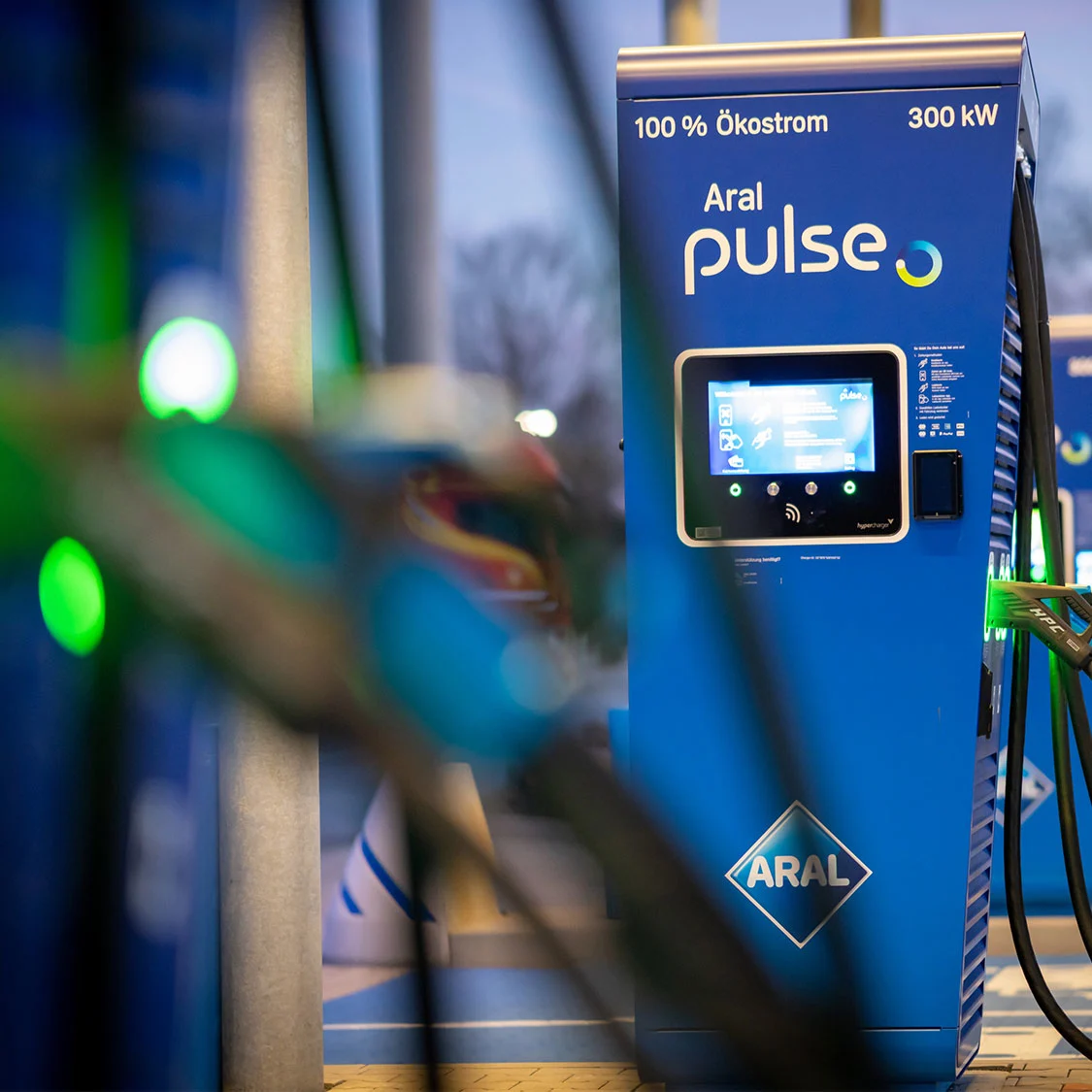
According to current market data, the cost of charging is now more closely aligned with the base rate offered at the charging point, reducing the “hidden” costs associated with payment processing. This transparency is a key component of the European Union’s updated Alternative Fuels Infrastructure Regulation (AFIR), which mandates clearer pricing and more accessible payment options at all public charging stations. Further information regarding these regulatory requirements can be found through the European Commission’s official portal on transport.
Strategic Shift in the Mobility Market
Aral pulse’s focus on its own app and payment card represents a strategic effort to capture consumer data and build brand loyalty in a highly competitive sector. In the current economic climate, where energy price volatility remains a concern for consumers, reducing barriers to entry is essential for maintaining growth in electric vehicle adoption. The company has continued to roll out high-power chargers at its existing fuel station locations, leveraging its established real estate footprint to provide rapid charging capabilities.
While the 10 percent reduction is a positive development for current users, it also highlights the divide between proprietary networks and universal roaming networks. Users who prefer the convenience of a single card for all charging providers may still encounter higher fees when using roaming services at Aral pulse locations. Consequently, the company is encouraging its users to verify their specific tariff plans via the Aral pulse digital platform before initiating a charge to ensure they are accessing the most competitive rates available.
How to Access the New Rates
To benefit from the reduced pricing structure, users must ensure they are using the correct payment channels. The following methods are confirmed to bypass the additional service fees:
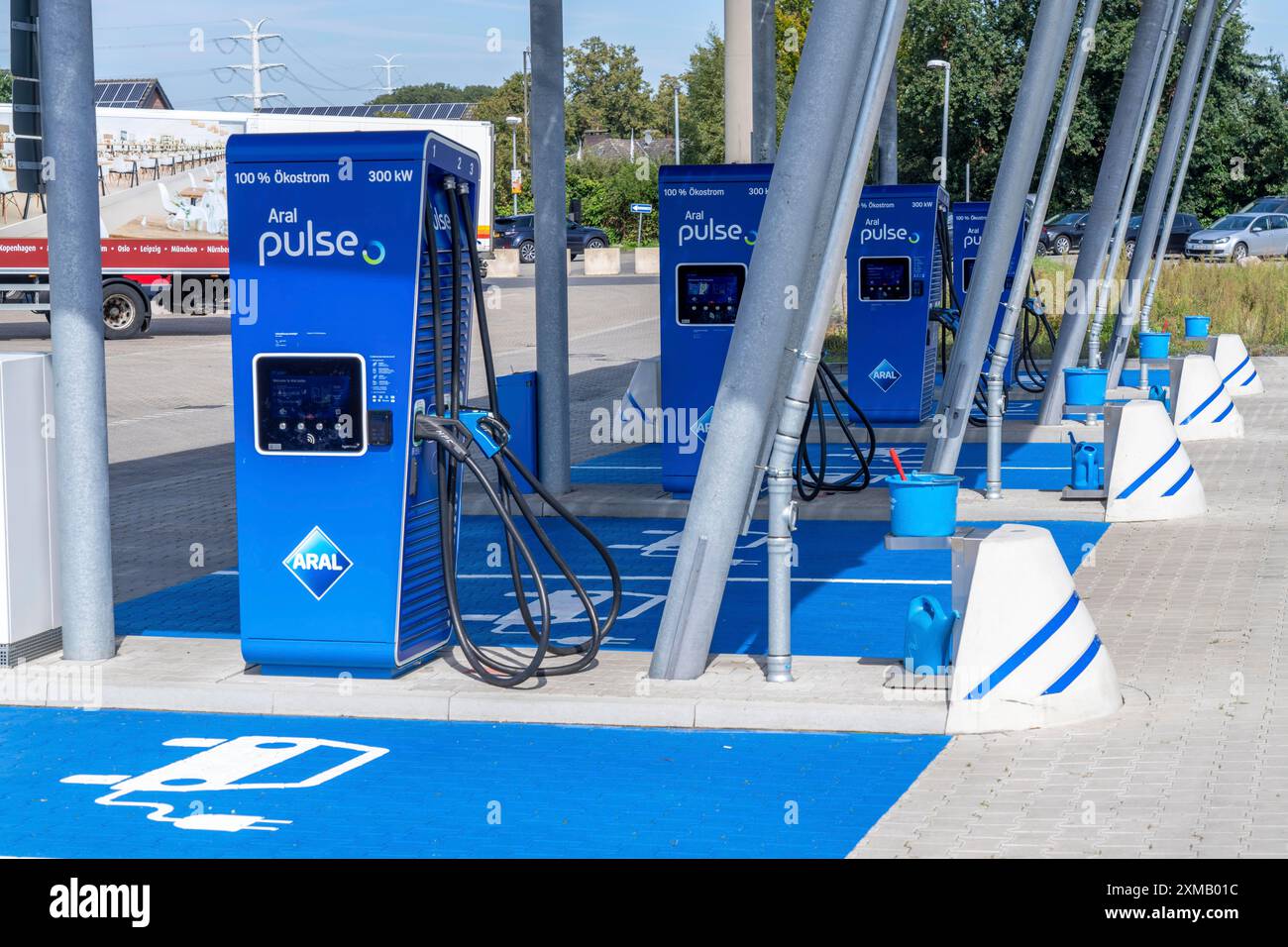
- Aral pulse App: The primary interface for locating chargers, monitoring charging status, and processing payments.
- Aral pulse Charge Card: The branded physical card provided to registered users.
- Standard Credit Cards: Direct payment via recognized credit card providers at the terminal.
- QR Code Payments: Scanning the station-specific QR code to initiate a secure web-based payment transaction.
For those interested in tracking future changes, the company regularly updates its official Aral pulse electromobility page, which serves as the primary source for tariff updates and network expansion news. As the market for electric mobility continues to evolve, stakeholders expect further adjustments in pricing strategies as companies compete for a larger share of the growing EV driver demographic. Readers are encouraged to share their experiences with these new rates in the comments section below as the network continues to scale its operations.
Worth a look
- Stop Scrolling: Why You Should Print Your Digital Photos and Create a Family History
- I Was Bored”: Biker Arrested After High-Speed Chase and Wheelies in Milan
- UAPD Hosts Avoid, Deny, Defend Safety Training at Arkansas Union (archyde.com)
- NYC Subway Flash Floods: Stations Turn Into Waterfalls After Torrential Rain (archynewsy.com)