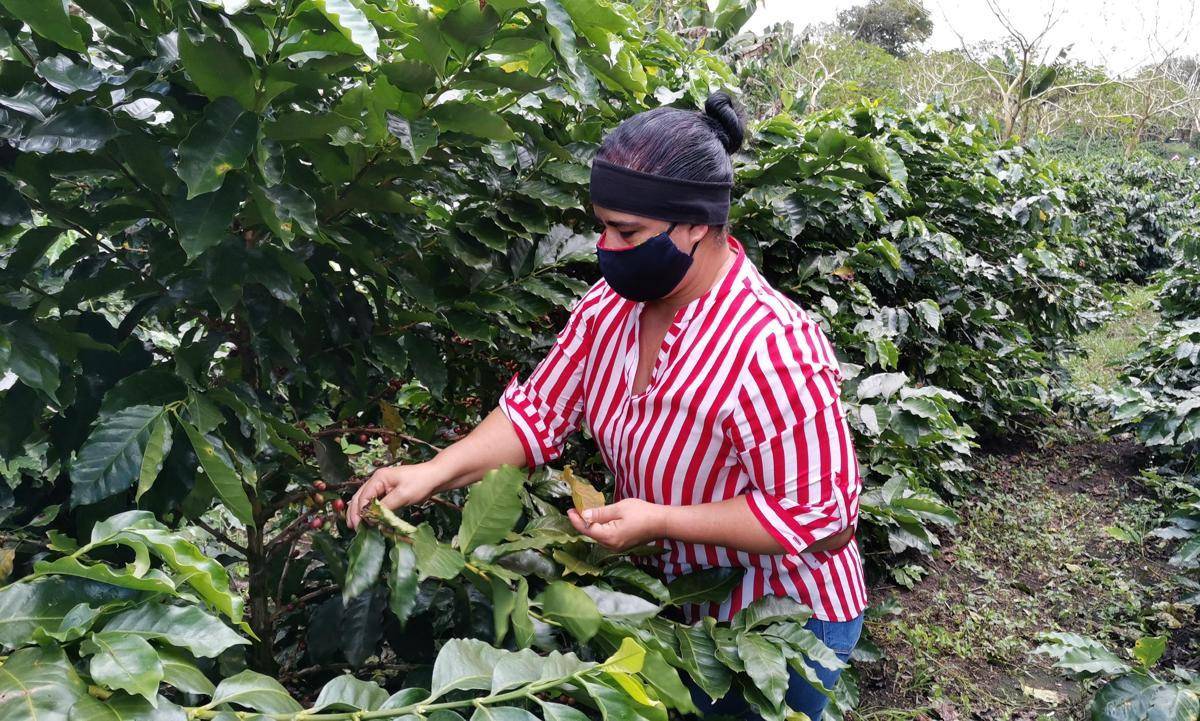
Panama’s Coffee Industry: Adapting to Climate Change thru Technical innovation
Panama’s coffee sector is undergoing a significant transformation,shifting from traditional practices to a more technically driven approach to ensure profitability in the face of increasing climate variability. Experts at Panama’s Ministry of Agricultural Development (MIDA) emphasize that modern agronomic practices are no longer optional for coffee producers . This article explores the key strategies being implemented to bolster the competitiveness and sustainability of Panamanian coffee.
The Role of Data-Driven Variety Selection
Historically, coffee cultivation relied heavily on established traditions. Tho, the unpredictable nature of climate change demands a more scientific approach. Raúl Morán, coordinator of the phytosanitary program for coffee cultivation at the National Directorate of Plant Health, explains that modern measurement, monitoring, and tracking systems are now crucial. These systems allow producers to identify coffee varieties best suited to specific growing zones, mitigating risks and enhancing productivity .
Demonstrated Success in Chiriquí Province
The benefits of this approach are already evident. according to a MIDA report, areas in Renacimiento, Chiriquí Province, have seen yields between 80 and 100 quintales (approximately 100 pounds) per hectare after introducing technically evaluated coffee varieties . This demonstrates the positive impact of informed variety selection on overall production.
Beyond Genetics: Holistic Farm Management
Though, experts caution that genetic selection is only one piece of the puzzle. Successful coffee production requires a extensive approach to farm management. This includes:
- Environmental Harmony: Cultivating coffee in a way that respects and works with the natural surroundings.
- Strategic Shading: Incorporating appropriate shade levels (25% to 30%) to reduce plant stress . Utilizing both timber and fruit trees for shade can also diversify income streams and lower production costs.
- Optimized Fertilization: Applying fertilizers and nutrients at the correct times to support plant health and maximize yields.
Economic Benefits of Sustainable Practices
From an economic standpoint, these technical practices offer significant advantages. They protect crops from pests and diseases exacerbated by climate change, reduce losses, stabilize yields, and improve the financial sustainability of coffee farms .Investing in these practices is therefore an investment in the long-term viability of the Panamanian coffee industry.
MIDA’s Support and Future Outlook
MIDA is actively encouraging coffee farmers to collaborate with institutional technicians to modernize their production models . The overarching goal is to strengthen the competitiveness of Panamanian coffee in the global market, ensuring its continued success despite increasingly variable climatic conditions.
the consensus among authorities is clear: the future of coffee productivity in Panama hinges not solely on climate or altitude, but on the adoption of sustainable, technically sound management practices that balance economic efficiency with environmental responsibility.
Published: 2026/02/15 00:33:01
Worth a look