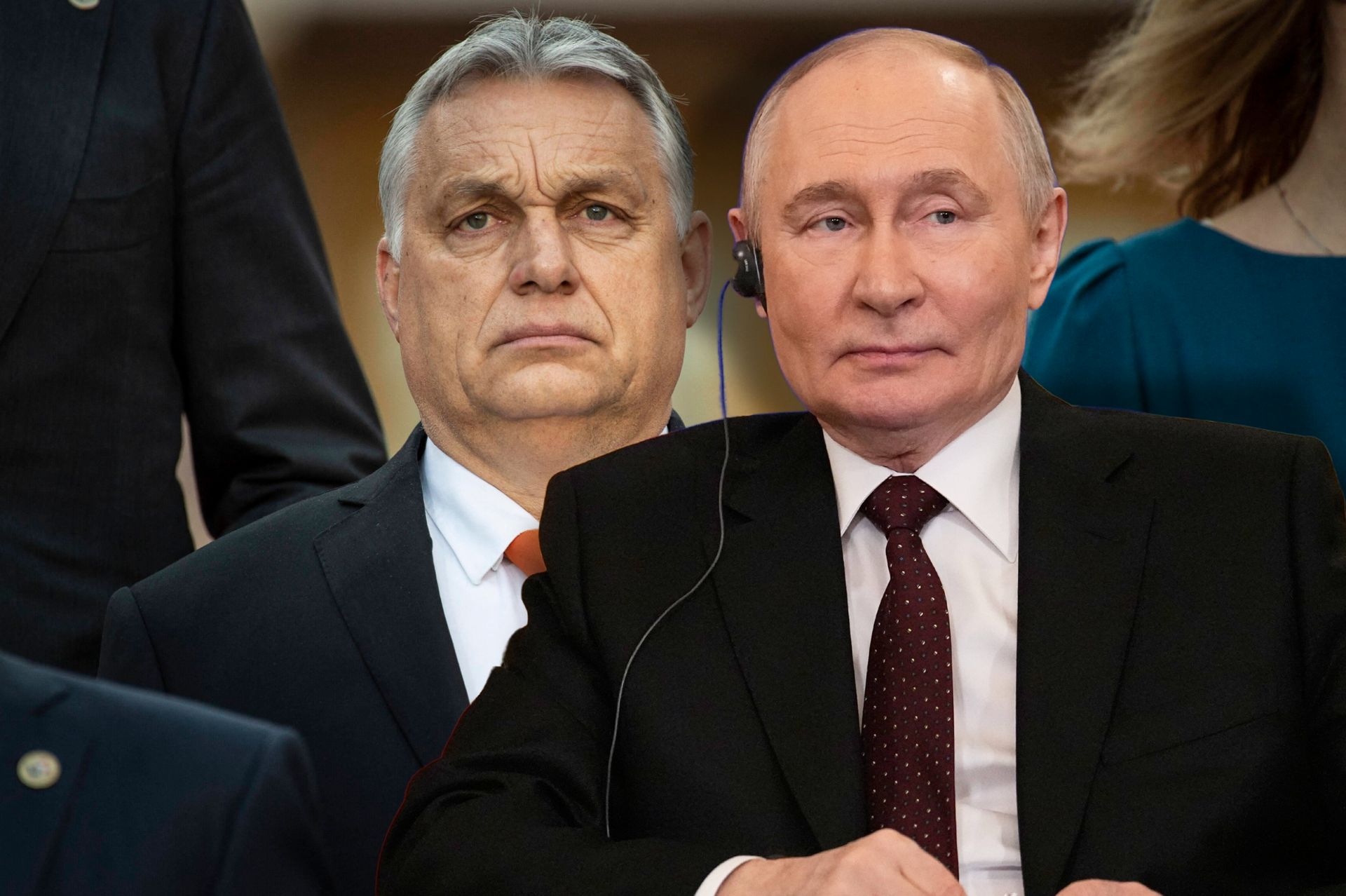
Budapest – Recent political tremors in Hungary are raising questions about the future of Prime Minister Viktor Orbán’s long-held grip on power. While Orbán has cultivated a reputation as a staunch ally of Russian President Vladimir Putin, a new challenger is emerging, fueled by growing public discontent and a shifting political landscape. The potential for a significant shift in Hungarian politics is gaining traction, prompting analysis of Orbán’s strategies and the implications for regional alliances.
The situation is complicated by accusations of political maneuvering and attempts to consolidate power. Reports suggest Orbán’s government has taken steps to bolster support within the military and police forces through salary increases, a move some observers interpret as a preemptive measure against potential unrest or opposition gains. This comes as Peter Magyar, a former Orbán insider, gains momentum as a potential rival, tapping into widespread frustration with corruption and a perceived erosion of democratic norms. The unfolding events are prompting a reassessment of Orbán’s political standing and the potential for a change in Hungary’s trajectory.
Orbán’s Alliances and Domestic Challenges
For years, Viktor Orbán has positioned himself as a key figure in a conservative bloc within the European Union, often clashing with Brussels over issues such as immigration, rule of law, and democratic values. A central aspect of his political strategy has been maintaining close ties with Russia, a relationship that has drawn criticism from Western allies, particularly in light of the ongoing war in Ukraine. The question of whether Orbán is, as some suggest, “playing on Putin’s team” is a recurring theme in political discourse surrounding Hungary. WP Wiadomości reported on polling data suggesting a significant portion of the Hungarian population believes Orbán is aligned with Putin’s interests.
Yet, Orbán’s domestic position is facing increasing pressure. Concerns over corruption, economic stagnation, and a perceived lack of transparency have fueled public dissatisfaction. Recent reports indicate that Orbán’s government has implemented salary increases for members of the military and police, a move that Wyborcza.pl suggests is an attempt to secure loyalty ahead of potential political challenges. This action echoes tactics employed in other countries where governments facing declining support have sought to bolster the security apparatus.
The Rise of Peter Magyar and Potential for Change
The emergence of Peter Magyar as a political contender represents a significant development in Hungarian politics. Magyar, a former communications professional within Orbán’s government, has launched a new political movement, gaining traction with voters disillusioned with the established political order. He has positioned himself as an anti-corruption crusader, promising to dismantle the system of patronage and cronyism that critics allege has become entrenched under Orbán’s rule. TVN24 reported that Magyar has a clearly defined goal and is attracting significant attention.
Recent polls indicate that Magyar’s movement is gaining considerable support, potentially posing a serious challenge to Orbán’s Fidesz party. Interia suggests that surveys are pointing towards a potential revolution in Budapest, with Magyar’s party gaining ground. The extent to which this support will translate into electoral success remains to be seen, but it undeniably signals a growing appetite for change among Hungarian voters. Magyar’s campaign is focused on addressing issues of corruption, economic inequality, and the perceived erosion of democratic institutions.
Navrocki’s Cancellation and Regional Implications
Adding another layer to the complex political situation, Polish ex-justice minister Zbigniew Ziobro cancelled a planned meeting with Hungarian Prime Minister Viktor Orbán following a visit by Orbán to Moscow to meet with Vladimir Putin. This decision, as TVP World reports, is seen as a victory for Polish Prime Minister Donald Tusk, who has taken a more critical stance towards Orbán’s relationship with Russia. Ziobro’s move underscores the growing divisions within the Visegrád Group – a regional alliance of Central European nations – over issues related to Ukraine and relations with Russia.
The cancellation of the meeting highlights the increasing pressure on Orbán from both domestic and international actors. It also signals a potential realignment of regional alliances, with Poland and Hungary seemingly drifting further apart. The implications of this shift could be significant for the future of Central European cooperation and the broader geopolitical landscape. The Visegrád Group has historically been a platform for coordinating policies on issues such as energy security, migration, and EU integration, but its effectiveness is now being questioned in light of the diverging interests of its member states.
Looking Ahead
The political situation in Hungary remains fluid and unpredictable. The growing popularity of Peter Magyar, coupled with increasing international scrutiny of Orbán’s policies and alliances, suggests that the country may be on the cusp of a significant political shift. The outcome of future elections will be crucial in determining the direction of Hungary’s political and economic development. The next few months will be critical as Magyar continues to build momentum and Orbán seeks to consolidate his position.
The ongoing war in Ukraine and the broader geopolitical tensions between Russia and the West will undoubtedly continue to shape the political landscape in Hungary. Orbán’s continued relationship with Putin will likely remain a point of contention, both domestically and internationally. The ability of Hungary to navigate these complex challenges will depend on its internal political dynamics and its willingness to align itself with the broader European consensus.
The next key event to watch will be the local elections scheduled for later in 2026, which will serve as a crucial test of public sentiment and a potential indicator of the outcome of the next parliamentary elections. The results of these elections will provide valuable insights into the evolving political dynamics in Hungary and the potential for a change in government. Stay informed about developments in Hungarian politics by following reputable news sources and engaging in constructive dialogue.
Related reading
- Tony Burke Confirms Ex-ASIO Agent’s Testimony Can Be Heard in Public
- Fact Check: Viral Videos and Images of the Peru Earthquake are Fake or Out of Context
- Germany’s Industrial Crisis: Causes and Future Outlook (archynewsy.com)
- Hungary Faces Water Crisis as 99% of Land Suffers Severe or Extreme Drought (time.news)