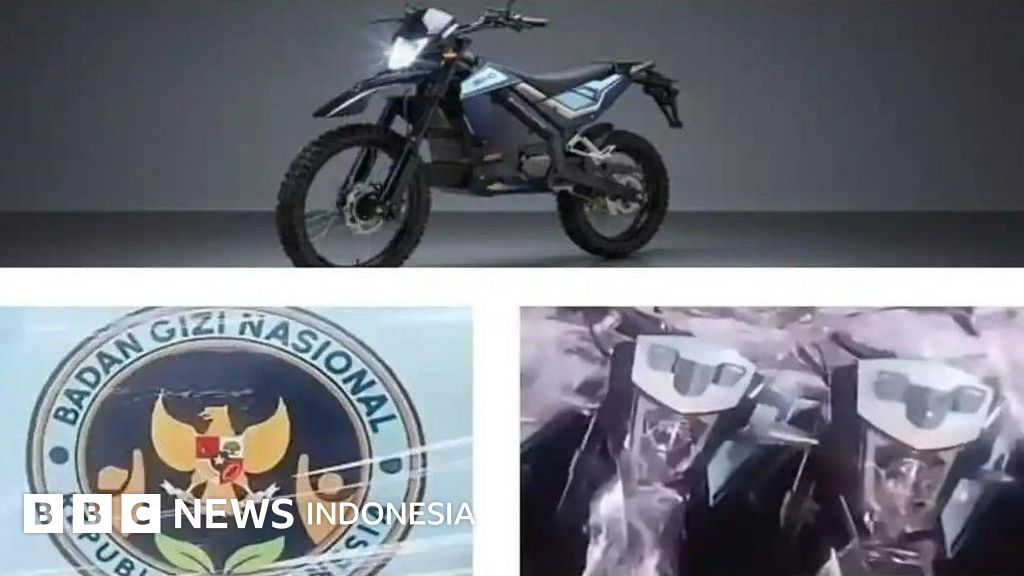
The Indonesian government’s ambitious “Makan Bergizi Gratis” (MBG) or Free Nutritious Meal program is facing intense scrutiny as a dispute erupts over the procurement of thousands of electric motorcycles. The Indonesian Parliament (DPR) has announced plans to summon the National Nutrition Agency (BGN) to explain the purchase of these vehicles, intended for the heads of Nutrition Fulfillment Service Units (SPPG).
The controversy has highlighted a significant disconnect between the BGN and the Ministry of Finance. Minister of Finance Purbaya Yudhi Sadewa has reportedly stated that he was unaware of the current procurement and claimed that he had previously rejected the proposal for these operational vehicles last year. This friction comes at a critical time as the government attempts to balance the massive logistical demands of a nationwide nutrition initiative with strict fiscal discipline.
While the BGN has defended its actions, asserting that the motorcycles have not yet been distributed and warning the public against “hoaxes,” the discrepancy in official accounts has prompted the DPR’s Commission IX to demand a formal explanation. The situation underscores the complexities of implementing one of the administration’s most high-profile social policies, where operational needs in remote areas often clash with central budgetary constraints.
The Dispute Over MBG Electric Motorcycle Procurement
The current tension centers on the procurement of electric motorcycles intended to support the mobility of SPPG heads. These units are designed to manage the delivery of nutritious meals in challenging terrains. However, the transparency of this procurement has become a flashpoint for political and financial oversight.

According to reports from BBC and CNN Indonesia, Minister of Finance Purbaya Yudhi Sadewa indicated that the request for these motorcycles was something he had previously turned down. This suggests a potential bypass of financial protocols or a misunderstanding in the communication chain between the BGN and the Ministry of Finance. The DPR’s decision to call the BGN is a direct response to these conflicting narratives, as lawmakers seek to determine if public funds were committed without proper ministerial approval.
In response to the outcry, the BGN has maintained that the process is under control. Agency officials have emphasized that the motorcycles have not been handed over to the intended recipients and have urged citizens to remain cautious of misinformation circulating online. Despite these assurances, the lack of alignment between the BGN and the Finance Minister has left the agency vulnerable to accusations of fiscal mismanagement.
Budgetary Pressures and the Expansion of SPPG
The motorcycle controversy does not exist in a vacuum; it is part of a broader struggle to fund the MBG program’s infrastructure. The BGN has been aggressively expanding the Satuan Pelayanan Pemenuhan Gizi (SPPG) to ensure the program reaches the most isolated regions of the archipelago.
The scale of this expansion is immense. On November 12, 2025, the Head of the BGN, Dadan Hindayana, requested an additional budget of Rp 28.63 trillion from Minister Purbaya to cover the implementation of the MBG program and the development of SPPGs in remote areas via Kumparan. This request was driven by increasing budget absorption as the program neared the finish of 2025.
The BGN’s financial projections for 2025 revealed a staggering need for resources. Dadan Hindayana noted that with the additional Rp 28.63 trillion, the agency’s total budget requirements for the year would reach approximately Rp 99 trillion via Kumparan. To put this in perspective, the initial government assistance ceiling for the MBG program was Rp 51.2 trillion, of which Rp 36.23 trillion had already been absorbed by late 2025, leaving a remaining balance of only Rp 14.97 trillion via Kumparan.
A significant portion of this funding is earmarked for the physical infrastructure of the program. The BGN is currently developing SPPGs across roughly 8,000 points in remote areas, a move that required an additional Rp 14.1 trillion in funding via Kumparan. The procurement of electric motorcycles was intended to facilitate the operation of these 8,000 points, but the cost and necessity of such a fleet have now become points of contention.
Demands for Efficiency and Transparency
Minister Purbaya Yudhi Sadewa has consistently pushed for greater transparency and efficiency within the BGN. The Finance Minister’s approach suggests a desire to move away from unchecked spending toward a model of strict accountability.
As early as September 11, 2025, Minister Purbaya demanded that the BGN hold monthly press conferences to report on the progress and spending of the MBG program via BeritaSatu. This move was intended to keep the public and the government informed about the program’s efficacy and to prevent the kind of communication gaps that led to the current motorcycle dispute.
By March 2026, the focus shifted toward “efficiency” in the MBG program. Minister Purbaya indicated that he was considering ways to streamline the program’s costs via Kompas. While the BGN has stated it will follow the President’s ultimate decision on the program’s direction, the Ministry of Finance remains the primary gatekeeper of the funds, creating a natural tension between the agency’s operational ambitions and the state’s fiscal limits.
Key Budgetary Figures for MBG (2025)
| Budget Component | Amount (IDR) | Purpose/Status |
|---|---|---|
| Initial Government Ceiling | Rp 51.2 Trillion | Original 2025 allocation for MBG |
| Additional Request | Rp 28.63 Trillion | Requested Nov 2025 for MBG/SPPG |
| SPPG Remote Expansion | Rp 14.1 Trillion | Development of 8,000 service points |
| Total Projected Need | ~Rp 99 Trillion | Total estimated 2025 expenditure |
What This Means for the MBG Program
The clash over the MBG electric motorcycle procurement is more than a dispute over vehicles; it is a test of the BGN’s ability to operate as a transparent government entity. For a program that aims to improve the health of millions of children, the perception of wasteful spending on luxury or unnecessary operational assets can erode public trust.
The involvement of the DPR suggests that the program is now under a “high-alert” status for auditing. If the BGN cannot provide a clear, documented trail of approval for the motorcycle procurement, it may face stricter budget caps or a mandatory restructuring of its procurement processes. This could potentially slow down the rollout of SPPGs in remote areas, delaying the delivery of meals to the children who need them most.
the conflict reflects a broader struggle within the Indonesian administration to implement massive social projects without compromising fiscal stability. The “efficiency” mentioned by Minister Purbaya may lead to a reduction in operational perks for agency heads, focusing instead on the direct nutritional impact of the program.
The next critical checkpoint will be the formal hearing with the DPR’s Commission IX, where the BGN will be required to present the procurement documents and explain the discrepancy between their actions and the Finance Minister’s directives. The outcome of this hearing will likely determine the future autonomy of the BGN in managing its operational budget.
World Today Journal will continue to monitor the DPR hearings and provide updates on the fiscal management of the Makan Bergizi Gratis program. We invite our readers to share their thoughts on government spending priorities in the comments below.
Worth a look