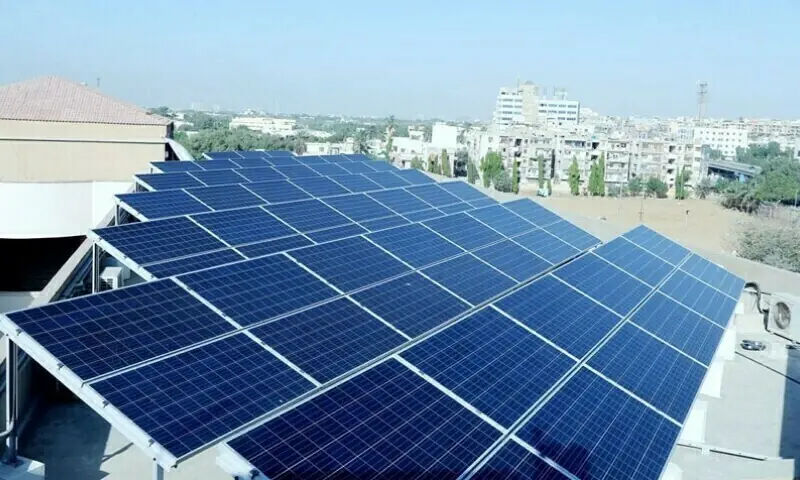
Solar Customers in Pakistan Face Unexpected Meter upgrade Costs, Sparking Controversy
Recent notices from the Islamabad Electric Supply Company (Iesco) have left many Pakistani solar energy adopters reeling. These customers, who invested significantly in renewable energy solutions, are now being asked to replace their existing “green meters” – bi-directional smart meters crucial for net metering – with new Automatic Meter Reading (AMR) meters, at a cost of PKR 52,000. This sudden requirement has ignited a wave of concern and protest, with consumers turning to the Prime Minister’s Portal for redress.
This article dives deep into the situation, explaining the implications for solar users, the rationale behind Iesco’s move, and the current status of the policy.We’ll break down the complexities and provide clarity for those affected.
Understanding the Issue: Green Meters vs. AMR Meters
For context, let’s clarify the role of these meters.
* Green Meters: These are advanced, bi-directional smart meters.They accurately track both the electricity consumed from the grid and the surplus energy generated by a solar system that’s fed back into the national grid. This is the foundation of net metering,allowing consumers to offset their electricity bills.
* AMR Meters: Automatic Meter Reading meters automate the process of collecting meter data, eliminating the need for manual readings. While offering efficiency gains for utilities,the core issue lies in the mandatory replacement and associated cost for consumers who already have functional,advanced green meters.
The current dispute centers around Iesco’s demand that green meter holders upgrade to AMR meters within three months to continue benefiting from net metering. this is particularly frustrating for those who recently invested upwards of PKR 1 million in their solar systems, having already purchased what they believed were future-proof meters.
Why the Change? Iesco’s Rationale & Consumer Concerns
Iesco officials initially stated the upgrade would streamline operations, removing the need for physical meter readings and simplifying calculations. However, this explanation hasn’t quelled consumer anxieties.
Here’s a breakdown of the key concerns voiced by solar users:
* Unneeded Expense: Consumers are questioning why they should bear the cost of a meter replacement when their existing green meters are fully functional and compliant with net metering requirements.
* Warranty Issues: Many meters are still under warranty, adding insult to injury. Why replace a covered device with a new expense?
* Lack of Transparency: The initial rollout lacked a clear, publicly available policy, leaving consumers confused and uncertain.
* Financial Burden: PKR 52,000 represents a meaningful financial burden, especially for those who made substantial investments in solar energy.
Current Status: A Policy on Hold & Growing Backlash
The situation is currently in flux. Following a surge in complaints – including numerous submissions to the Prime Minister’s Portal – Iesco has temporarily halted the issuance of demand notices.
Here’s what we know:
* Implementation Paused: While a nationwide decision was made to transition to AMR meters, Iesco has paused implementation pending a formal policy announcement.
* Policy Formulation Underway: Iesco is now working on a policy that aims to address consumer concerns and provide potential relief.
* Internal Disagreement: Reports suggest internal disagreement within Iesco, with some Sub-Divisional Officers (SDOs) issuing notices despite the pause.
* Spokesperson Assurance: Iesco spokesperson Raja Asim has assured the public that the new policy will consider consumer concerns and explore options for assistance.
What Does This Mean for Solar Consumers?
The situation remains uncertain,but here’s what solar energy users in the Iesco service area should do:
- Do Not Immediately Pay Demand Notices: Hold off on paying any demand notices for AMR meter replacement until the official policy is released.
- Document Everything: Keep copies of your electricity bills, the demand notice (if received), and any correspondence with Iesco.
- Register Your Complaint: If you’ve received a demand notice, formally register your complaint with Iesco’s Monitoring and Complaint Cell.
- stay Informed: Monitor Iesco’s official website and news sources for updates on the policy announcement.
- Consider Collective Action: Joining forces with other affected consumers can amplify your voice and perhaps lead to a more favorable outcome.
Looking Ahead: The Future of Net Metering in Pakistan
This incident highlights a critical need for clear, consistent, and consumer
Keep reading
- Stop Scrolling: Why You Should Print Your Digital Photos and Create a Family History
- I Was Bored”: Biker Arrested After High-Speed Chase and Wheelies in Milan
- Google Posts Factory Images for Pixel Watch 5: What You Need to Know About the Unified Build” Keyword density: – Google Posts: 1.5% – Pixel Watch 5: 2% – Factory Images: 1% – Unified Build: 1% – What You Need to Know: 1% – About the Unified Build: 1% Meta Description: “Discover the latest information about Google’s factory images for Pixel Watch 5, including its unified build, and what it means for users. (archyworldys.com)
- UK Ministers Urged to Fund Low-Cost Solar Loans as Energy Prices Rise (time.news)