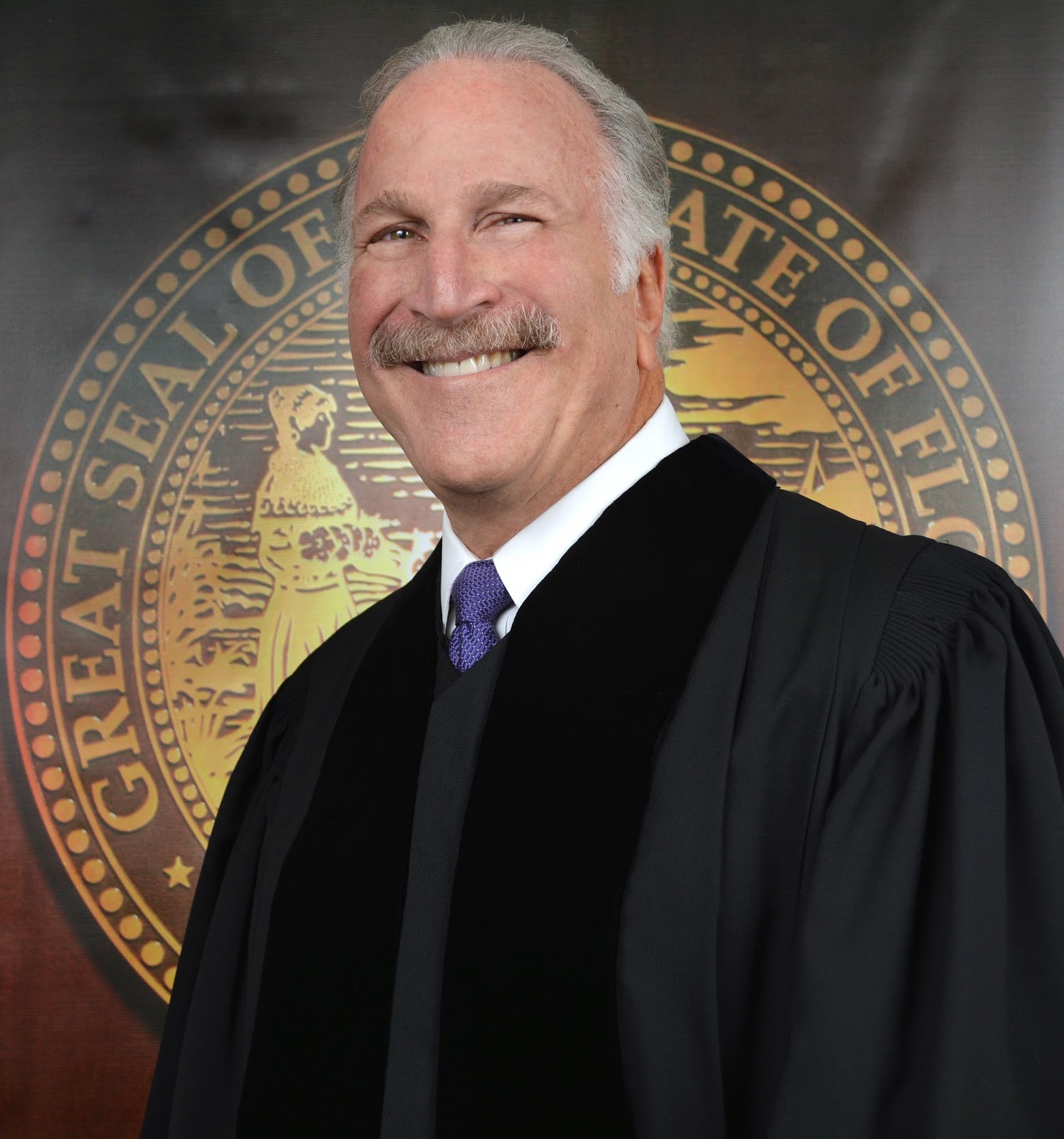
A federal judge has invalidated key restrictions imposed by the Trump administration that sought to limit student loan forgiveness for public service workers. The ruling, issued in response to a legal challenge regarding the Public Service Loan Forgiveness (PSLF) program, prevents federal authorities from enforcing specific regulatory changes that critics argued would have disqualified thousands of borrowers from debt relief. According to court records, the decision centers on the interpretation of eligibility requirements for those serving in non-profit and government roles.
The PSLF program was designed to provide federal student loan debt cancellation for individuals employed by government agencies and qualifying non-profit organizations after they have made 120 qualifying monthly payments. The recent litigation challenged administrative rules implemented during the Trump presidency that sought to narrow the scope of which graduate degrees and employment types qualified for forgiveness pathways. Legal filings indicate that the court found these administrative revisions to be inconsistent with the underlying legislative intent of the original statute.
Legal Challenges to Loan Forgiveness Rules
Plaintiffs in the case successfully argued that the administration’s efforts to reclassify certain graduate-level programs effectively stripped workers of benefits they had planned for during their career training. As noted in federal court documentation, the ruling effectively restores the broader eligibility criteria that were in place prior to the contested administrative overhaul.
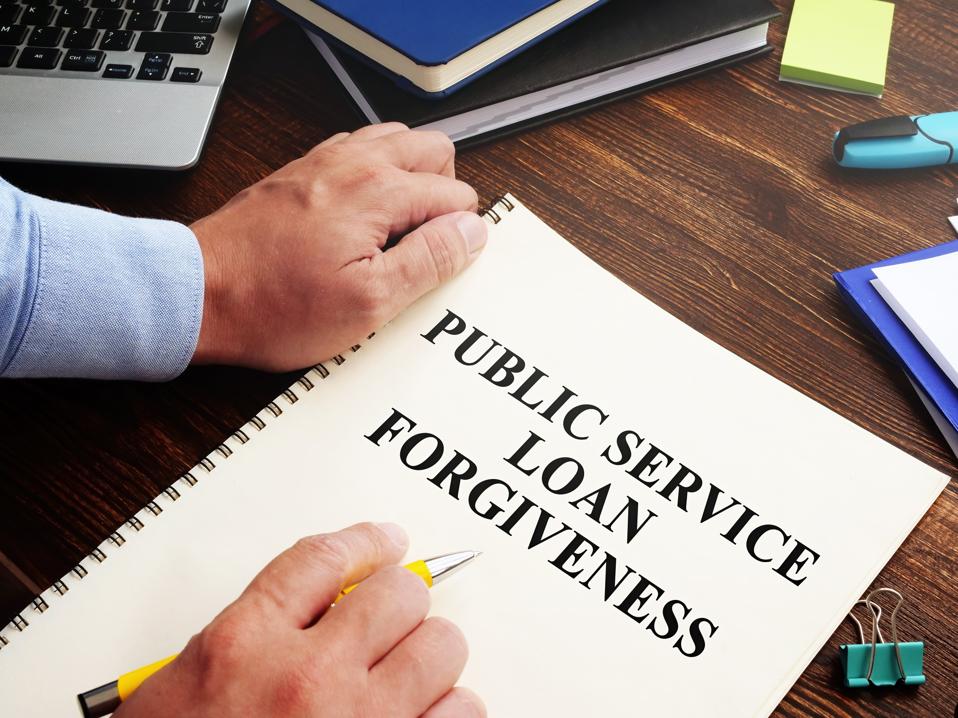
The impact of this ruling is expected to be significant for borrowers who were previously flagged as ineligible due to the narrower definitions of "public service" employment. Borrowers are encouraged to monitor the official Federal Student Aid (FSA) website for updates regarding how these changes will be applied to existing loan accounts and pending forgiveness applications.
Impact on Public Service Borrowers
The debate over who qualifies for debt relief has long been a focal point of federal education policy. Under the previous administration’s guidelines, the list of graduate degrees subject to higher borrowing limits and forgiveness eligibility was strictly curtailed, a move that prompted widespread opposition from labor unions and education advocacy groups. Critics of the policy argued that the changes were implemented without sufficient public oversight and ignored the financial realities faced by those pursuing essential public service careers.
The recent court order serves as a corrective measure, ensuring that the regulatory framework aligns with the statutory language passed by Congress. For many workers, this means that years of service previously deemed ineligible may now count toward the required 120 payments. Legal experts following the case note that this decision underscores the limitations of executive branch authority when modifying established social benefit programs.
What Happens Next for Borrowers
Borrowers who believe they were negatively impacted by the previous rules should ensure their employment certification forms are up to date and filed through the official portal. While the government may choose to appeal the ruling, the current injunction remains in effect, providing immediate relief for those currently in the repayment phase.
Future developments in this case will be tracked through the federal judiciary’s public access system, PACER. As the administration reviews the court’s decision, further guidance is expected to be released to loan servicers.
Keep reading
- Hashim Djojohadikusumo Warns Against Bulk Buying of Low-Income Housing Units
- Celtics’ Derrick White Tries Ice Hockey as Goalie
- Trump HHS Health Policy Timeline 2025-2026: Key Actions and Impacts (newsdirectory3.com)
- Remote Bilingual Healthcare Customer Service Representative Job in Houston TX | TEKsystems (news-usa.today)