
In a turn of events that highlights the precarious nature of international touring, Australian artist Keli Holiday was recently denied re-entry into the United States, leading to the abrupt cancellation of a highly anticipated performance in New York City. The incident, which occurred mid-tour, has sparked renewed conversations regarding the complexities of visa scrutiny and border processing for global performers.
The artist—the solo creative project of Adam Hyde, one half of the chart-topping electronic duo Peking Duk—revealed the situation to his followers over the weekend. After completing a series of shows in Toronto, Holiday was detained at the U.S.-Canada border, where officials ultimately refused him entry back into the United States despite his assertions that all necessary documentation was in order.
The disruption forced an immediate halt to the final leg of his North American journey. For many fans, the news was a shock, as the Brooklyn-based show was intended to be the triumphant conclusion to a short but successful run of dates. The incident underscores a growing tension for international artists who must navigate an increasingly stringent landscape of immigration laws and electronic authorization systems.
The fallout was confirmed via social media, where the artist expressed his frustration and confusion over the detention. In a post shared on Instagram, Holiday informed his audience: “Unfortunately I’m not going to make it to tonight’s show at Baby’s All Right in NYC. I have spent all day detained at the Canadian border and denied entry back into the U.S. Despite having the proper visa documentation in place.”
Border Detention and the New York Cancellation
The events unfolded during a tightly scheduled tour window between May 1 and May 7. After performing in Toronto, Holiday attempted to cross back into the United States to reach Brooklyn for his final appearance. However, the transition proved impossible. The artist spent a full day in detention at the border before being informed that he would not be permitted to enter the country.
The venue, Baby’s All Right, is a staple of the Brooklyn indie scene, and the cancellation left a void in the local music calendar. Holiday admitted in his public statement that he was still seeking clarity on why the entry was revoked, adding, “I’m still trying to get clarity on the situation myself.”
Following the denial of entry, a representative for the artist confirmed that Hyde has since returned to Australia. The early return ensures he can fulfill his upcoming commitments across New South Wales and Victoria, though the psychological and professional toll of a mid-tour border detention is often significant for touring musicians.
From Peking Duk to Keli Holiday: An Artistic Evolution
To understand the impact of this cancellation, one must look at the trajectory of Adam Hyde’s career. For over a decade, Hyde has been a central figure in the Australian electronic music scene as a member of Peking Duk, the duo he formed with Reuben Styles. Together, they became one of the most successful electronic acts of the 2010s, breaking through with the hit “High” featuring Nicole Millar, which secured a top-five position on the ARIA Singles Chart.
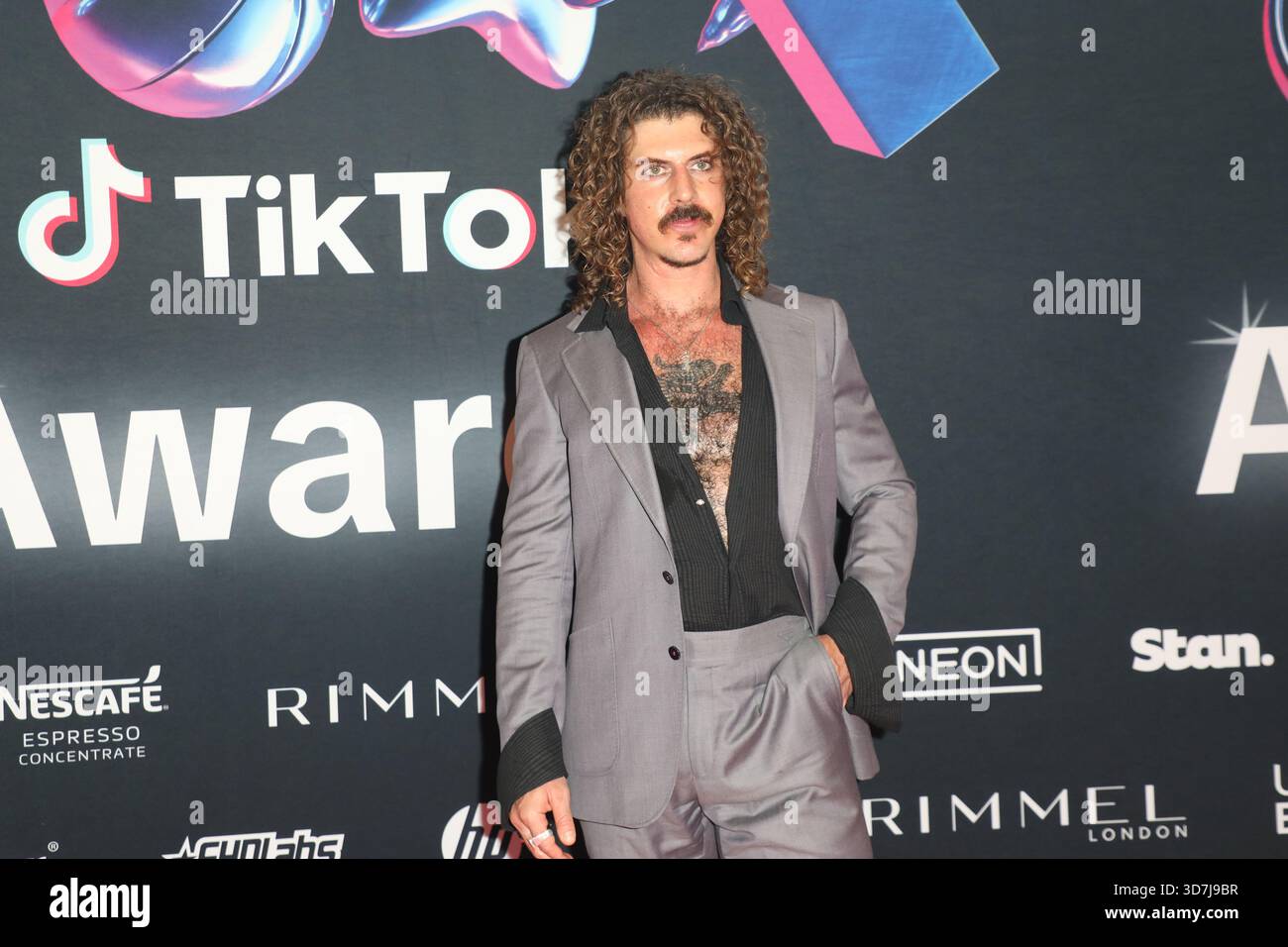
While Peking Duk focused on high-energy, stadium-filling electronic sounds, Hyde launched Keli Holiday in 2021 to explore a more intimate, indie-leaning sonic palette. This project represents a shift toward a moodier blend of indie-pop, dance, and alternative music, allowing Hyde to step away from the massive production of his primary duo and lean into a more personal songwriting style.
The Keli Holiday project has quickly found its own footing, building a dedicated following through a combination of atmospheric club shows and curated festival appearances. The transition from “big room” electronic music to the more nuanced textures of Keli Holiday has been praised by critics and fans alike for its emotional maturity and sonic bravery.
Chart Success and the Impact of ‘Capital Fiction’
The timing of the North American tour was intended to capitalize on the significant momentum of Holiday’s second collection, Capital Fiction. The album has proven to be a commercial and critical success, debuting at No. 3 on the ARIA Albums Chart, marking him as the highest-charting homegrown artist on the most recent tally.
A cornerstone of the album is the track “Dancing2,” a song that blends Hyde’s electronic roots with a deeply personal narrative. The track recounts the story of how Hyde met his partner, Sydney media personality Abbie Chatfield. The song’s resonance extended far beyond the charts; it secured the No. 2 spot on the prestigious triple j Hottest 100 countdown for 2025, an annual listener-voted poll that serves as a cultural barometer for alternative music in Australia.
Further cementing the track’s success, “Dancing2” won the award for best video at the most recent ARIA Awards. Holiday’s performance of the song at the industry’s annual ceremony highlighted his growth as a solo performer and positioned him as a versatile artist capable of bridging the gap between electronic dance music and indie-pop songwriting.
The Visa Crisis for International Touring Artists
The situation facing Keli Holiday is not an isolated incident but rather a symptom of a broader, systemic issue regarding U.S. Border processing and visa scrutiny. For international artists, the process of entering the United States for work is notoriously complex, often requiring a specific P-1 visa for internationally recognized performers or a carefully managed Electronic System for Travel Authorization (ESTA) for shorter visits.

Recent discussions in Australia and New Zealand have highlighted growing concerns over the Electronic System for Travel Authorization (ESTA) and the potential for stricter entry requirements. Proposed changes to screening measures have led to increased scrutiny of “work-related” activities, even for artists who believe their documentation is in order. The distinction between “performing” (which generally requires a visa) and “appearing” or “promoting” (which may fall under different categories) is often a point of contention at border crossings.
When an artist is denied entry, the repercussions are immediate and cascading. Beyond the loss of performance fees, there are the costs of venue rentals, crew travel, and the disappointment of a fan base that has often traveled long distances to attend a show. For an artist like Hyde, who was in the midst of a successful album cycle, such a disruption can interfere with the momentum of a global rollout.
Industry advocates have frequently called for more streamlined processes for cultural exchange, arguing that the current unpredictability of border entries creates an environment of risk for mid-tier and emerging international artists who may not have the massive legal teams employed by global superstars.
As Keli Holiday returns to Australian soil to continue his tour in New South Wales and Victoria, the incident serves as a cautionary tale for the international music community. The intersection of art and immigration law remains a volatile space, where a single administrative decision at a border crossing can erase weeks of planning and thousands of dollars in investment.
The next confirmed checkpoint for the artist will be his upcoming domestic dates in Australia. Fans are encouraged to follow official social media channels for updates on potential New York rescheduling, though such a move would depend entirely on the resolution of his visa status with U.S. Authorities.
Do you think border policies for international artists are too strict, or are these measures necessary for security? Share your thoughts in the comments below.
Keep reading