
The Supreme Court has confirmed it will hear an appeal of significant consequence for individuals designated as wards of court who are currently awaiting discharge from institutional care. Senior judges have classified the case as a matter of public importance, granting it priority status to ensure a timely resolution for those affected by the legal framework governing their transition back into the community.
This legal challenge centers on the administrative and judicial processes that oversee the discharge of wards—individuals whose personal affairs and welfare are managed by the court due to incapacity or vulnerability. The upcoming hearing is expected to clarify the obligations of state authorities and the judiciary in facilitating the release of these individuals, addressing concerns regarding delays in the discharge process.
Legal Significance and Scope of the Appeal
At the heart of the proceedings is the question of how the court balances the protection of wards with their fundamental rights to liberty and autonomy. Legal analysts and court observers note that the outcome could set a binding precedent for how future discharge applications are handled. The Supreme Court’s decision to designate the case as a priority hearing underscores the urgency of the issues at stake, as many wards remain in facilities long after they have been deemed eligible for discharge.

The appeal arises from ongoing tensions between the protective role of the wardship system and the practical realities of community care availability. According to records from the Courts Service of Ireland, the wardship jurisdiction is designed to protect those who cannot manage their own affairs, but the transition to community-based support often involves complex inter-agency coordination. When these systems fail to align, individuals can be left in a state of administrative limbo, a situation this appeal seeks to rectify.
Addressing Systemic Delays in Discharge
For many wards of court, the prospect of discharge is contingent upon the availability of specialized social care packages or residential placements. The current appeal is expected to examine whether the state’s failure to provide these resources in a timely manner constitutes an infringement on the rights of the ward. This inquiry into the “reasonable time” standard for discharge is critical, as it directly impacts the quality of life for those currently under court protection.
The Citizens Information Board provides guidance on the wardship system, noting that the Office of the Wards of Court is tasked with overseeing the welfare of such individuals. However, the legal threshold for discharge requires a demonstration that the ward is no longer in need of the court’s protection. The Supreme Court is now tasked with determining the extent to which the judiciary can compel the state to provide the necessary support services to meet that threshold.
What Happens Next
The Supreme Court has scheduled the matter for a priority hearing, signaling that a final judgment will likely be delivered in the coming months. Stakeholders, including legal representatives for the wards and representatives from the Department of Health and the Health Service Executive, are preparing their submissions to address the systemic challenges identified by the lower courts.
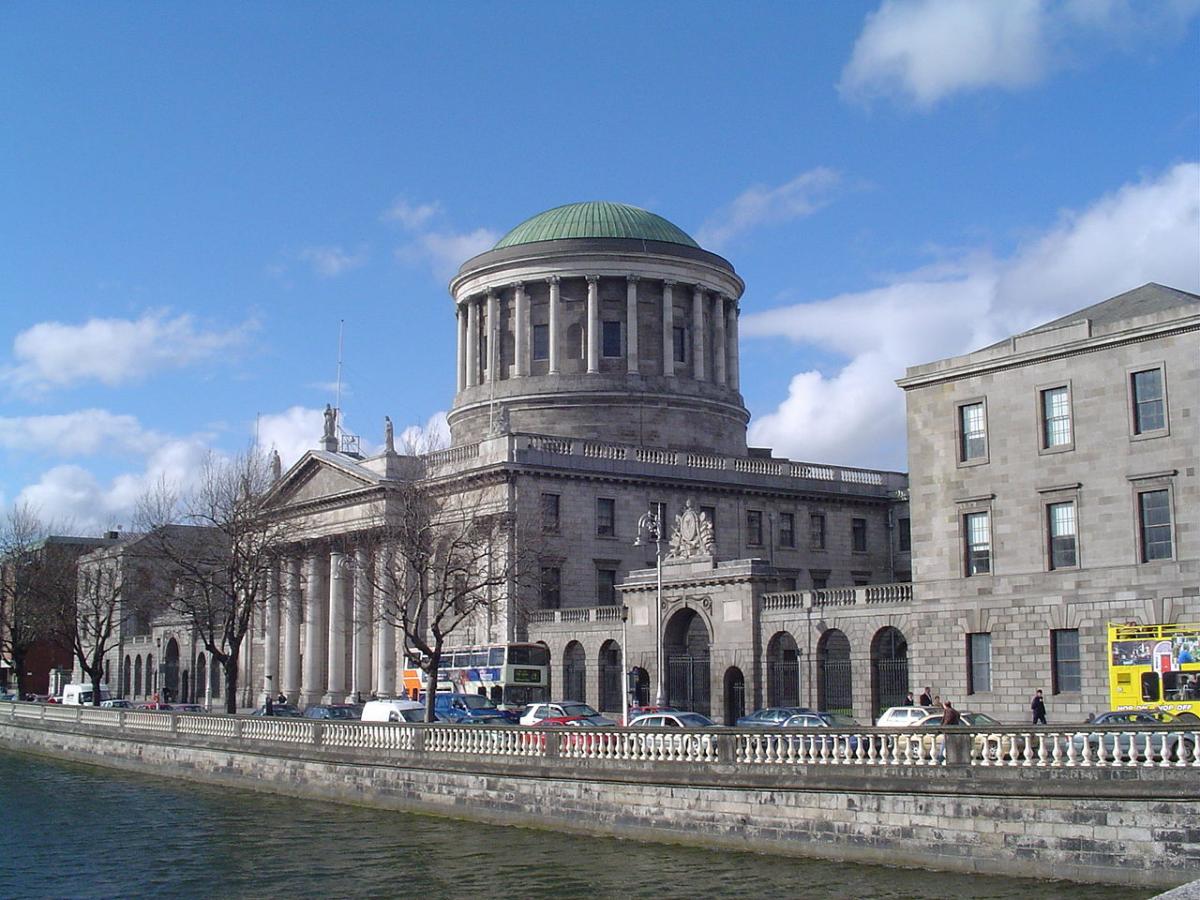
The court’s eventual ruling will not only affect the specific individuals involved in the appeal but will also provide clear guidance for the Wards of Court office and relevant health authorities. For families and advocates awaiting clarity, the hearing represents a significant step toward streamlining the discharge process and ensuring that the rights of vulnerable individuals are upheld with the necessary urgency. Further updates regarding the specific hearing dates and procedural requirements will be published through the official Courts Service portal as they become available. Please check back for updates and share this article to help inform others about these critical developments in the justice system.
Worth a look