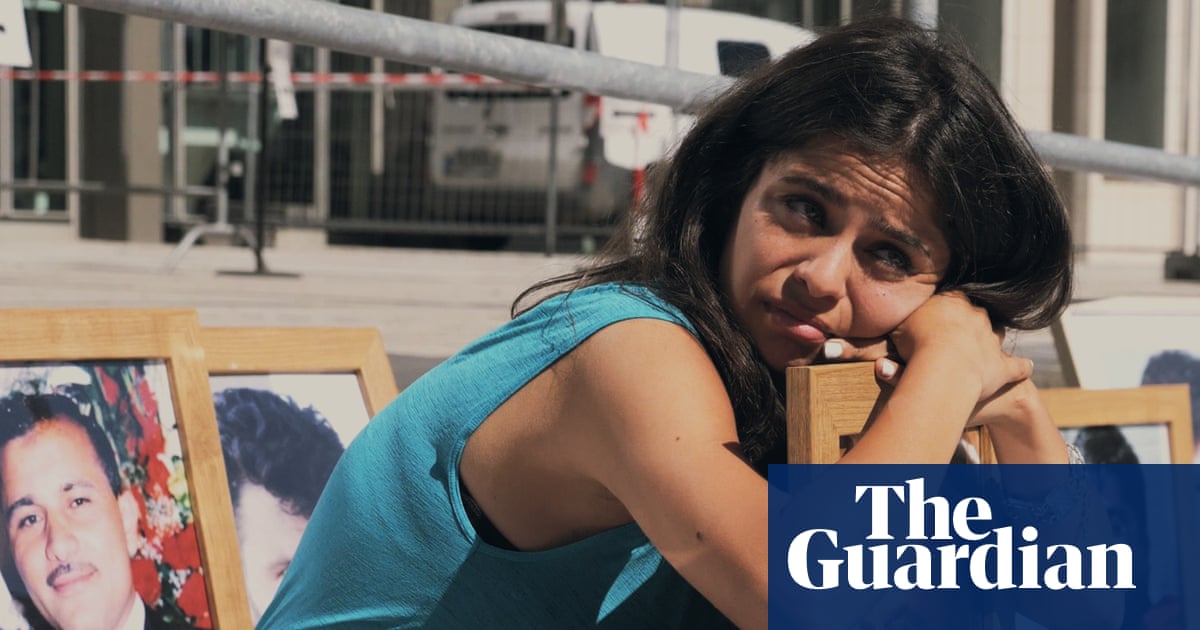
More than 177,000 people have been forcibly disappeared in Syria since 2011, according to data documented by the Syrian Network for Human Rights. This staggering figure represents a systemic crisis of detention and disappearance that continues to affect thousands of families, including that of activist Wafa Mustafa. Her ongoing advocacy for truth and accountability is highlighted in the short documentary Maybe Tomorrow, which examines the psychological toll of uncertainty and the persistent effort to locate missing loved ones amidst the country’s protracted conflict.
Mustafa’s personal connection to the crisis is deeply rooted in her childhood. Her father, Ali Mustafa, was an activist who disappeared in July 2013 after being detained in Damascus. In the years since, Wafa Mustafa has campaigned internationally to bring attention to the plight of the disappeared, working with organizations such as Families for Freedom, a movement led by women whose relatives have been detained or kidnapped by various parties in the Syrian conflict.
The Roots of a Campaign for Justice
The title of the documentary, Maybe Tomorrow, draws from a childhood memory involving the legendary Egyptian singer Umm Kulthum. As a young girl in Syria, Mustafa recalls her father encouraging her to transcribe the lyrics of the song “Aghadan Alqak,” which translates to “Will I meet you tomorrow?” At the time, the act was a simple exercise in musical appreciation, but for Mustafa, it has since become a poignant metaphor for her lived experience. The lyrics, which speak to the longing for someone who is absent and the agony of waiting, mirror the reality faced by thousands of Syrian families today.
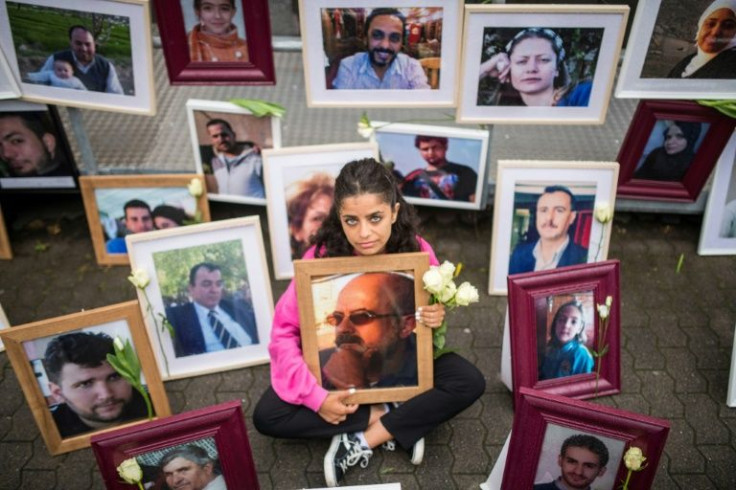
Mustafa has described this period as a manifestation of her life’s work. Her advocacy gained significant international attention when she participated in a United Nations Security Council session in 2020, where she testified about the conditions in detention centers and the urgent need for information regarding the fate of the missing. Her testimony underscored the reality that for many families, the “violence of waiting” is not merely an emotional state but a calculated instrument of political control used to silence dissent.
The Scale of the Disappearances
The numbers provided by human rights monitors illustrate the breadth of the crisis. According to the United Nations Office of the High Commissioner for Human Rights, the lack of a centralized, independent mechanism to track the disappeared has exacerbated the trauma for families. In June 2023, the UN General Assembly voted to establish the Independent Institution on Missing Persons in the Syrian Arab Republic, a dedicated body intended to clarify the fate and whereabouts of missing individuals and provide support to their families.

This institutional shift followed years of pressure from activists like Mustafa, who argued that the international community had failed to prioritize the issue of detainees. The institution’s mandate is to gather information from various sources to provide answers to families, though it faces significant hurdles, including lack of access to detention facilities controlled by the Syrian government and other armed groups. For those still waiting, the institution represents a potential, albeit difficult, path toward the closure they have sought for over a decade.
Why the Waiting Matters
The “violence of waiting” described in Maybe Tomorrow refers to the specific psychological and legal limbo experienced by families. Without a confirmed death certificate or knowledge of a relative’s location, families are often unable to manage inheritance, property rights, or legal guardianship of children. This administrative paralysis is compounded by the constant, agonizing hope that a loved one might return, a cycle that prevents the grieving process from ever reaching a conclusion.
Mustafa’s work serves as a reminder that these statistics represent individual lives. By centering the human narrative in her activism, she challenges the tendency of international observers to view the Syrian conflict through purely geopolitical lenses. The documentary serves as a visual and auditory archive of this struggle, utilizing the cultural touchstones of her past to bridge the gap between abstract casualty figures and the visceral reality of loss.
Next Steps for Accountability
The establishment of the new UN institution is the most significant recent development in the search for the missing. According to the United Nations, the next phase of this effort involves the operationalization of the institution’s data-gathering processes and the continued coordination with victim-led organizations. These groups remain the primary source of information for the institution, as they have spent years documenting names, dates, and locations of last-seen incidents.

As the international community moves forward, the focus remains on ensuring that the voices of those directly affected, like Wafa Mustafa, are not sidelined in diplomatic negotiations. For families still waiting for word of their relatives, the fight for transparency is the only viable path forward. Readers interested in following updates on the progress of the Independent Institution on Missing Persons can monitor official bulletins from the UN Human Rights Office. We encourage you to share your thoughts on this ongoing humanitarian challenge in the comments section below.
Worth a look