Museveni Launches NRM Manifesto: A Deep Dive into Uganda’s 2026 Election Landscape
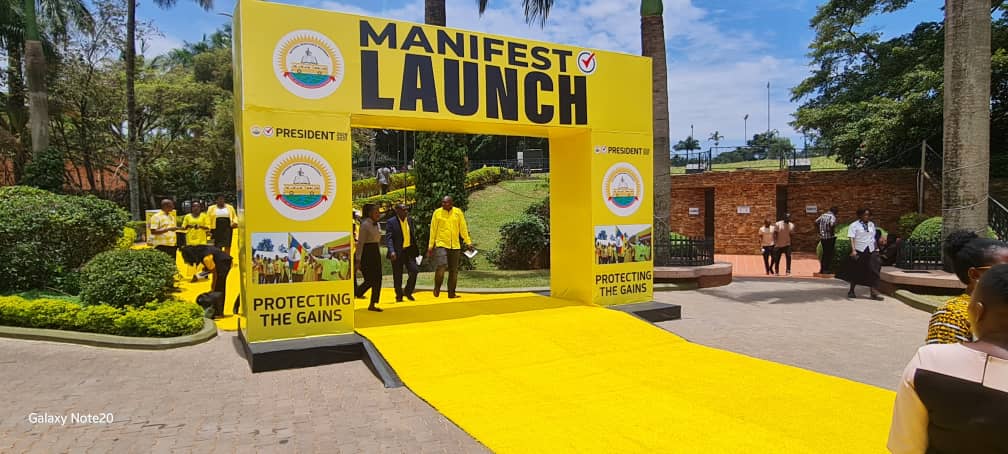
The National Resistance Movement (NRM), led by President Yoweri Kaguta Museveni, has officially kicked off its campaign for the 2026 general elections with the launch of its new manifesto. The event, held at the Speke Resort Convention Center in Munyonyo, Kampala, signals a pivotal moment in Uganda’s political trajectory. This isn’t simply a rehash of past promises; it’s a strategic document framed around “Protecting the Gains” – a clear message about stability and continued progress.
This article provides an in-depth analysis of the manifesto,its key themes,the political context surrounding its launch,and what it signifies for Uganda’s future. We’ll move beyond surface-level reporting to explore the underlying strategies and potential implications of the NRM’s vision.
A Manifesto Rooted in Stability and Progress
The core message of the 2026-2031 NRM manifesto is the preservation of Uganda’s hard-won stability and the acceleration of its socio-economic conversion.President Museveni emphasized this during the launch, highlighting the party’s role in navigating past challenges. The manifesto focuses on several key pillars:
* Energy Security: Diversifying energy sources, with a notable emphasis on exploring nuclear power, is presented as crucial for sustained economic growth.
* Economic Empowerment: Wealth creation and job opportunities remain central, building on previous initiatives.
* Social Development: Continued investment in education, healthcare, and justice systems is promised.
* Regional Integration: Strengthening ties with neighboring countries is seen as vital for economic and political stability.
* Ideological Orientation: Reinforcing patriotism, Pan-Africanism, and democratic principles forms the bedrock of the NRM’s vision.
This isn’t simply about economic indicators; it’s about a holistic approach to national development, linking economic progress to social cohesion and regional influence.
The Political Context: A Nation at a crossroads
The manifesto launch occurs within a dynamic political landscape. It directly coincides with increased activity from opposition parties, most notably the National Unity Platform (NUP) led by Bobi Wine, who unveiled their own manifesto on the same day in Jinja. This parallel unveiling underscores the intensifying competition for the Ugandan electorate.
The choice of Speke Resort Munyonyo as the launch venue is also significant. It’s a location steeped in political history, having hosted the launch of the 2021-2026 manifesto, themed “Securing your Future.” This continuity suggests a deliberate effort to project an image of consistency and reliability.
The NRM’s well-organized grassroots support was on full display,with the Patriotic League of uganda pledging to mobilize over 80% voter turnout for Museveni. This demonstrates the party’s enduring strength in mobilizing its base. Speaker of Parliament Anita Annet Among also stressed the importance of unity and voter mobilization, highlighting the party’s coordinated efforts.
Beyond Promises: Accountability and the Road Ahead
While the manifesto has been met with enthusiasm from NRM supporters,it has also sparked debate. Critics rightly question the accountability for past promises, demanding concrete evidence of progress. This is a crucial point. A manifesto is onyl as good as its implementation, and the NRM must demonstrate a clear commitment to delivering on its commitments.
the emphasis on protecting gains also raises questions about addressing existing inequalities and ensuring inclusive growth. Simply maintaining the status quo isn’t enough; the manifesto must articulate a clear vision for addressing the challenges faced by marginalized communities.
The 2026 campaigns are poised to be fiercely contested. The NRM’s success will depend on its ability to effectively communicate its vision,address legitimate concerns,and mobilize its supporters.
Timeless Insights: The Evolution of Ugandan Politics
Uganda’s political landscape has undergone a significant transformation as the NRM came to power in 1986. Initially lauded for restoring stability after years of conflict, the party has faced increasing scrutiny over issues of governance, corruption, and political freedom. The launch of each successive manifesto represents a response to these evolving challenges and a recalibration of the NRM’s political strategy.
Understanding this past context is crucial for interpreting the current manifesto. It’s not simply a document outlining policy proposals; it’s a reflection of the NRM’s ongoing efforts to maintain its legitimacy and navigate a complex political habitat. The emphasis on patriotism and Pan-African