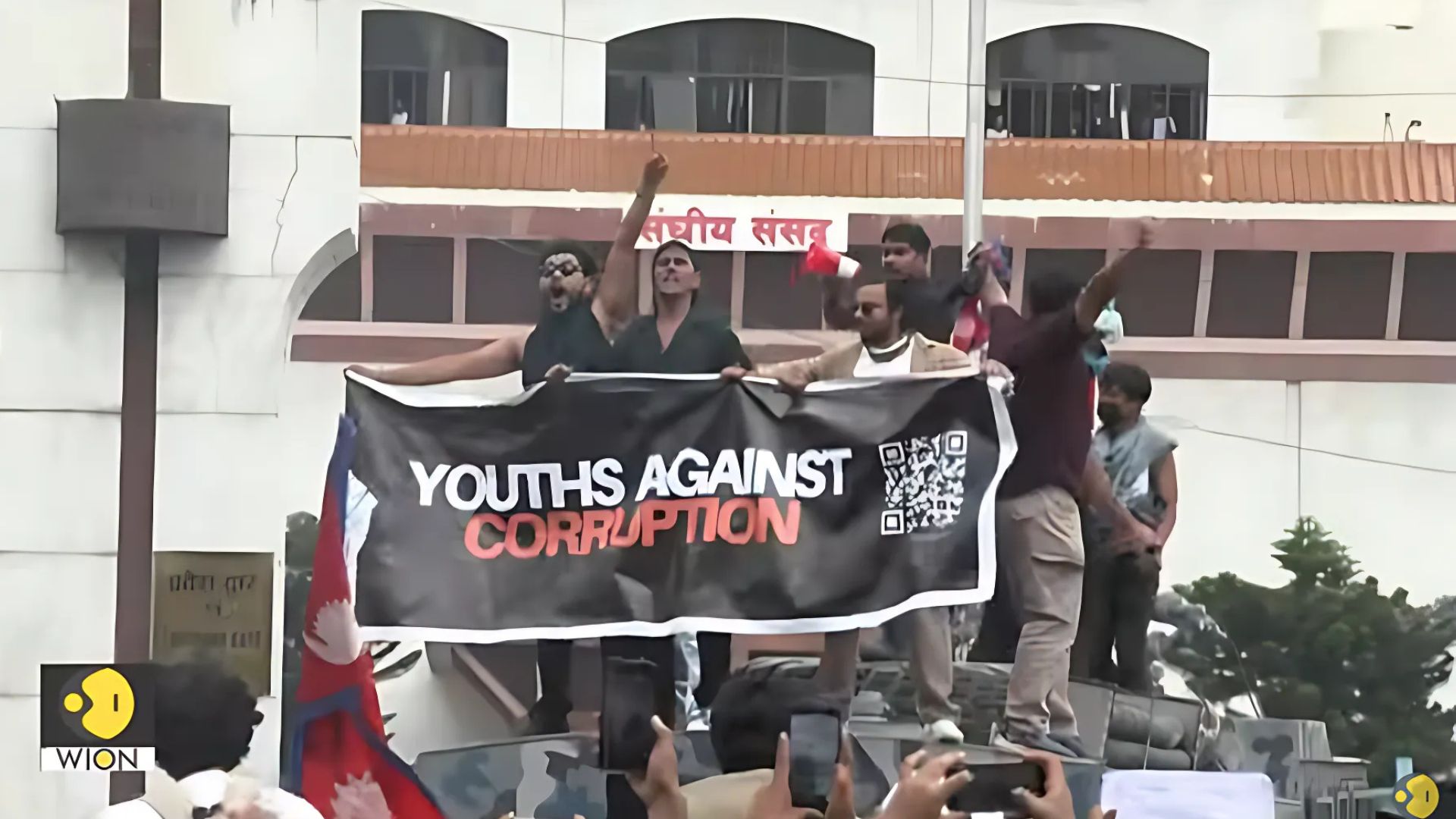
NepalS Shifting Political Landscape: The Rise of a New Generation
nepal is experiencing a period of significant political and social change, fueled by a growing demand for reform and a rejection of traditional power structures. A key figure embodying this shift is Balen Shah, the current mayor of Kathmandu, who is now a potential candidate for Prime Minister. His ascent represents more than just a change in leadership; it signals a deeper yearning for authenticity and effective governance among Nepal’s youth.
From Rapper to Political Leader: A Unique Trajectory
Shah’s story is unconventional. He isn’t a product of Nepal’s established political dynasties. instead,he rose to prominence as a rapper and a civil engineer. This background instantly sets him apart and resonates with a generation disillusioned by the status quo.
He has garnered substantial support from young Nepalese citizens, who see him as a fresh face and a break from the contry’s conventional political elites. His anti-corruption stance and relatable persona have proven notably appealing to voters seeking genuine change.
The Power of Social Media and Independent Appeal
Shah’s active presence on social media has been instrumental in building his following. He has used platforms to connect directly with citizens and express solidarity with ongoing protests. this engagement reinforces his image as a leader who understands and champions the aspirations of younger generations.
Moreover,his independent status – free from the constraints of established political parties – allows him to position himself as an outsider capable of delivering real reform. You’ll find this resonates strongly with those who feel unheard by the current system.
Beyond Leadership Change: Addressing systemic Issues
Though, simply changing leaders won’t automatically resolve the underlying issues driving unrest. the slow implementation of federalism and a perceived lack of effective decentralization have left rural populations feeling marginalized. This has fostered a widespread belief that power remains concentrated in Kathmandu.
These systemic problems require more than just a new face at the top. They demand a basic reassessment of Nepal’s political structure and a genuine commitment to equitable governance.
The Demands of a New generation
Nepalese youth are not simply asking for change; they are demanding it. They want a political system that is responsive, clear, and accountable. For Nepal’s politicians, addressing this moment requires:
* Genuine reform: Moving beyond symbolic gestures and tackling the root causes of discontent.
* Effective decentralization: Empowering local communities and ensuring equitable distribution of resources.
* A credible political system: Building trust and demonstrating a commitment to serving the needs of all citizens.
The Risk of Continued Instability
Without these crucial steps, Nepal risks remaining trapped in a cycle of protest and political paralysis. The current momentum presents a unique prospect for meaningful change. But seizing it requires a willingness to address deep-seated issues and embrace a new vision for the country’s future.
Ultimately, the success of this new generation of leaders will depend on their ability to deliver on the promise of a more just, equitable, and prosperous Nepal for all.
Related reading