Nothing has officially confirmed that it will not release a CMF Phone 3 Pro this year, a decision driven by the rising costs of memory components in the global electronics market. The London-based hardware company, known for its focus on transparent design and accessible pricing, cited the current volatility in semiconductor supply chains as the primary reason for shifting its product roadmap.
This strategic pivot reflects a broader trend within the mobile industry, where manufacturers are increasingly forced to adjust their hardware release schedules due to fluctuating costs for Random Access Memory (RAM) and flash storage. While Nothing continues to support its existing CMF product line, the cancellation of the Pro-tier device highlights the precarious balance between maintaining affordable price points and absorbing the expenses associated with high-performance hardware specifications.
Market Pressures and Component Costs
The global semiconductor industry has faced significant supply chain constraints, leading to a marked increase in the price of memory modules. According to market data from Gartner, supply chain volatility in the memory sector is heavily influenced by the transition to high-bandwidth memory (HBM) production, which has diverted manufacturing capacity away from standard smartphone components. This shift has created a supply-demand imbalance that directly impacts the bill of materials (BoM) for mid-range and budget-oriented smartphones.
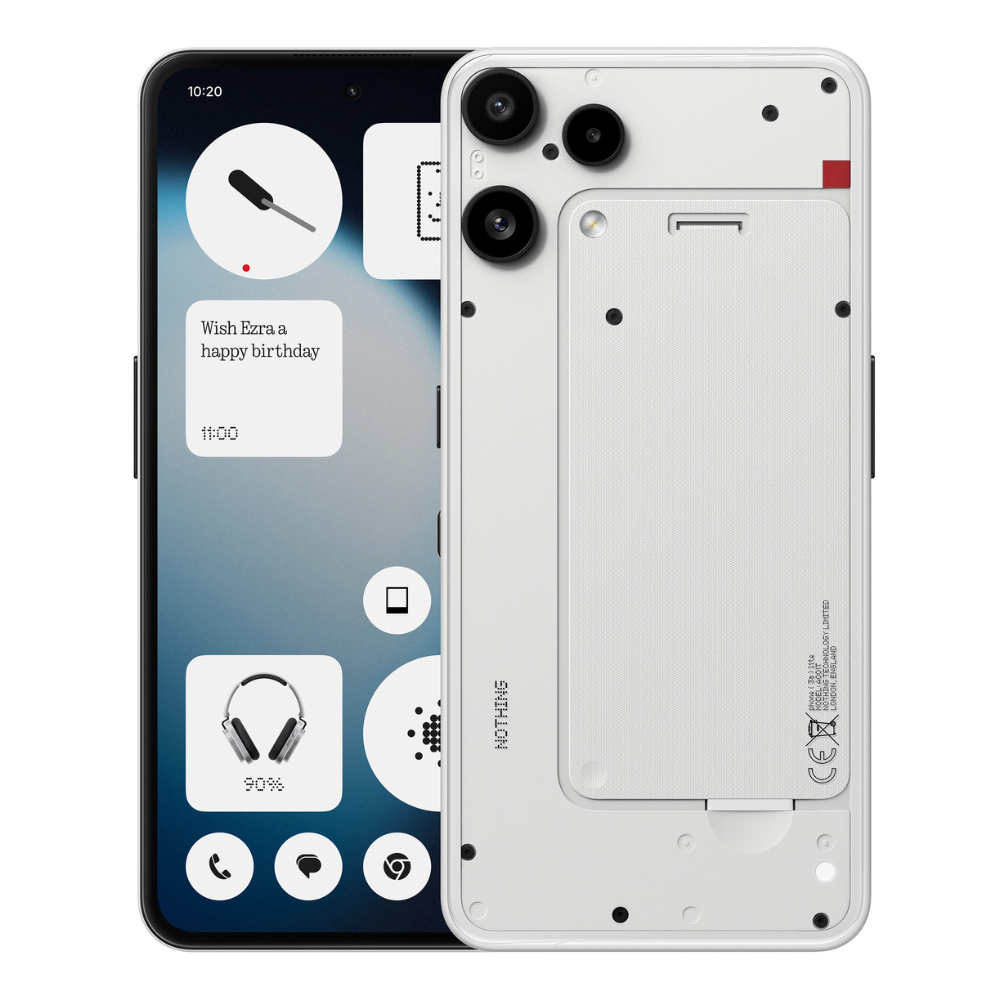
For a company like Nothing, which positions its CMF sub-brand to offer competitive features at a lower price point than its flagship devices, these cost spikes present a significant hurdle. When the cost of core components like RAM rises, manufacturers face a binary choice: increase the retail price of the device or reduce the number of models launched to protect profit margins. By choosing to shelve the CMF Phone 3 Pro, Nothing is prioritizing the stability of its current portfolio over the expansion of its budget-tier offerings.
Broader Industry Impact
Nothing is not alone in navigating these turbulent market conditions. Analysts at IDC have noted that smartphone manufacturers across the sector are grappling with inventory management strategies as component prices remain elevated compared to historical averages. The push toward integrating advanced AI features into smartphones has further increased the demand for higher RAM capacities, creating a “memory crunch” that disproportionately affects manufacturers operating on thinner margins.
This environment has led several industry players to delay or cancel upcoming hardware refreshes. The trend suggests that consumers may see fewer iterations of budget-friendly smartphones in the near term as companies wait for supply chains to stabilize. While the demand for high-end flagship phones remains relatively inelastic, the entry-level and mid-range markets are highly sensitive to even minor changes in component pricing.
What This Means for CMF Users
Current owners of CMF devices or those waiting for an upgrade should note that this decision does not affect the software support lifecycle for existing products. Nothing has maintained a consistent update schedule for its operating system, Nothing OS, and remains committed to providing security patches and feature updates for its current hardware lineup. The company has not signaled any change in its long-term support commitments for the CMF Phone 1 or existing accessories.
For those looking for new hardware, the focus remains on the primary Nothing smartphone lineup. The company continues to iterate on its flagship series, which benefits from higher price margins that allow for more flexibility in absorbing component cost fluctuations. As of the latest update, there has been no further announcement regarding future CMF hardware releases for the remainder of the fiscal year.
Future Outlook
The semiconductor market is expected to remain tight as demand for AI-capable hardware continues to grow. According to a report by Bloomberg, major memory manufacturers like SK Hynix are investing heavily in new production facilities, though these capacity expansions often take years to reach full operational status. Until supply catches up with the current demand for high-performance memory, the pricing pressure on consumer electronics is likely to persist.
%20Series_20250701235159_original_image_28.webp "Future Outlook")
Industry observers will be watching for the next quarterly earnings reports from key smartphone manufacturers to see how they navigate these ongoing costs. As the market evolves, the ability of brands like Nothing to maintain their unique identity while managing external supply chain pressures will remain a critical metric for their long-term success. We will continue to provide updates as more information becomes available regarding the company’s product strategy for the upcoming year. Please feel free to share your thoughts in the comments section below.
Keep reading