
Under the UK’s Online Safety Act, platforms hosting content deemed potentially harmful are increasingly required to verify that users are at least 18 years old. This mandate has introduced various age verification methods across digital services, raising questions about data privacy, the types of information collected, and potential risks to personal safety for users, particularly within the LGBTQ+ community.
Age verification is the process by which a digital service confirms a user meets a specific age threshold. As of July 2025, the UK government and the telecommunications regulator, Ofcom, have established legal obligations for platforms to implement these checks to restrict access to certain content. Because there is no single, standardized method for this process, the data collected and the privacy protections in place vary significantly between service providers.
Common Methods of Age Verification
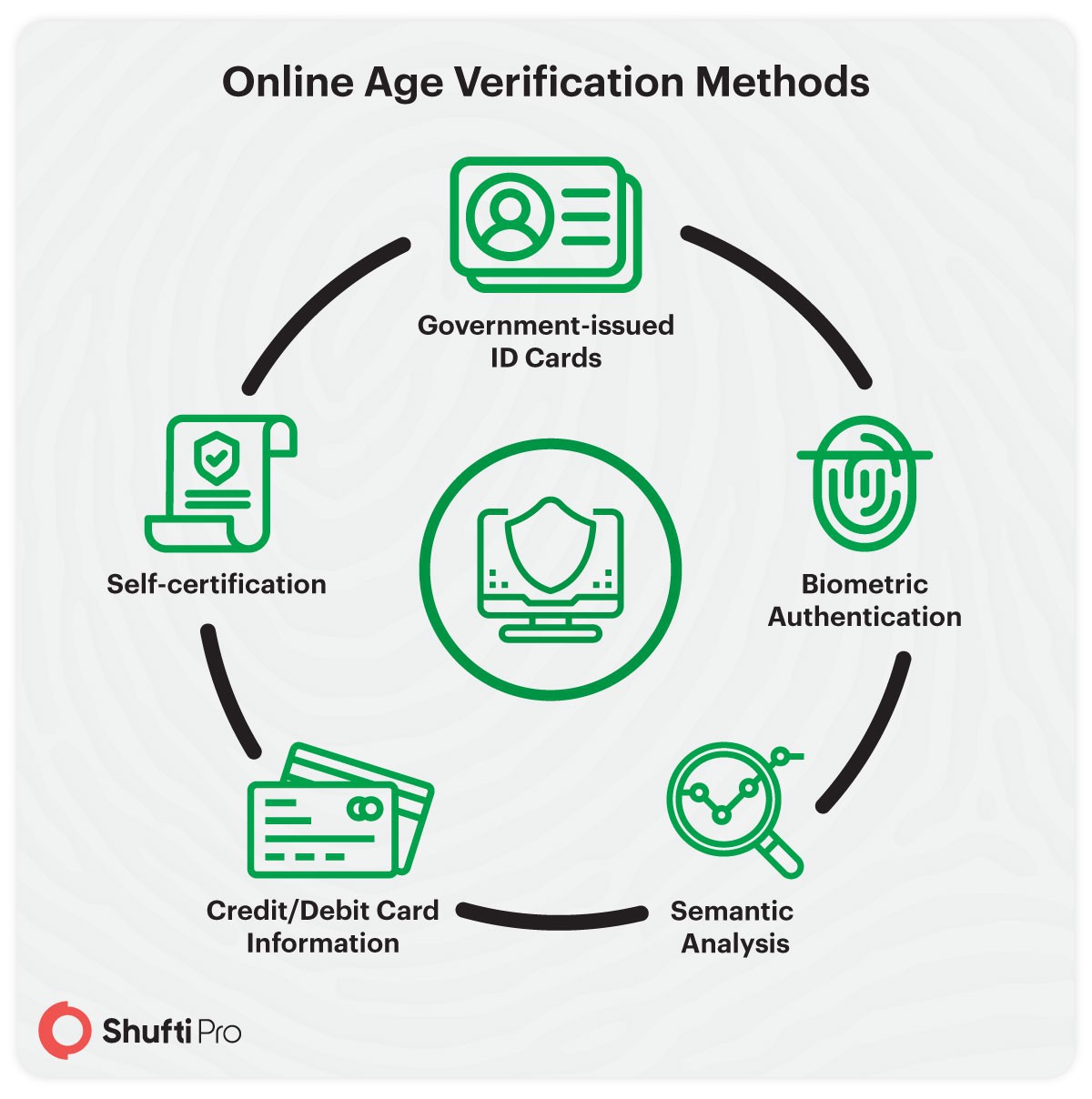
Platforms currently employ several distinct methods to verify age, each with different implications for user privacy and data retention. According to guidance from digital rights organizations, understanding these methods is essential for managing personal digital footprints.

Facial Age Estimation
This method involves analyzing a photo or video of the user’s face to estimate their age. Companies such as Yoti and Persona provide this technology. While some services, like Yoti, state that facial images are deleted immediately after the estimation is complete, others may store data differently. Some newer approaches, such as those used by k-ID and Private ID, perform the analysis directly on the user’s device, meaning only the final age result—rather than the image itself—is transmitted to the service provider. Users concerned about privacy are often advised to ensure no identifiable background elements are visible in their photos.
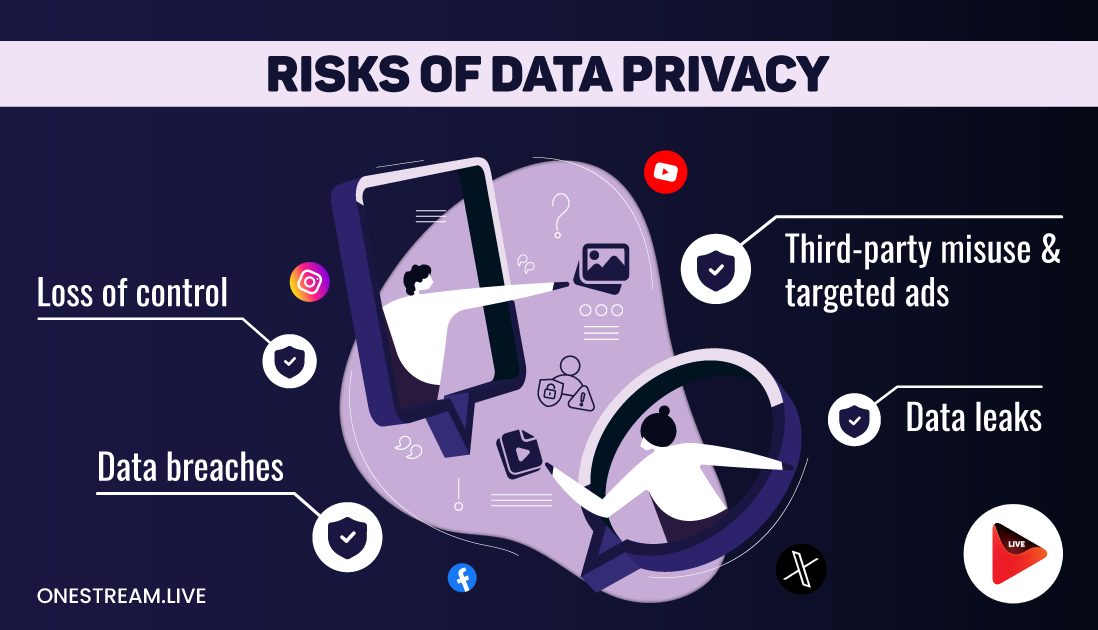
Photo-ID Matching
This process requires users to upload an image of a government-issued document, such as a passport or driving license, alongside a selfie to confirm the documents match. This is generally considered the most sensitive method, as the ID contains significant personal information. Verification providers like Incode are often used by platforms to process these documents. Data retention policies vary; while some platforms claim to initiate deletion processes for submitted information, users often have to rely on the provider’s internal practices.
Open Banking and Financial Verification
Open banking allows age-check services to confirm a user’s age via their bank without sharing their full date of birth. Similarly, credit card verification is frequently used for age-restricted services like pornography. Because obtaining a credit card in the UK requires the user to be at least 18, the transaction acts as a proxy for age confirmation.
Email and Mobile Operator Checks
Email-based verification involves third-party technology analyzing the history of an email address across other services to estimate age. Mobile operator checks verify whether a user’s phone number has age-related restrictions applied by their network provider. These methods generally aggregate existing data rather than requiring the user to provide new identification documents.
Privacy Risks and Safety Concerns
The implementation of age verification raises significant concerns regarding the collection and potential exposure of sensitive data. For LGBTQ+ individuals, the risks associated with data breaches or unauthorized access are particularly acute. Information revealed during these processes—such as gender identity, sexual orientation, or HIV status—could be misused by malicious actors to target, harass, or discriminate against individuals if that data were to be exposed.
A primary concern for privacy advocates is the retention of data. In some instances, identity documents or photos have been stored indefinitely by service providers, increasing the risk of exposure in the event of a data breach. Historical examples, such as past verification systems that stored images in public-facing or insecure help forums, highlight the dangers of improper data management. Furthermore, the reliance on third-party providers introduces questions about how widely data is shared and whether those providers are subject to rigorous, security-focused, independent audits by specialized firms to ensure compliance with privacy standards.
What Happens Next
The regulatory landscape for online safety in the UK is evolving as Ofcom continues to refine its codes of practice under the Online Safety Act. Platforms are currently adjusting their systems to meet these legal requirements, and users should expect to see continued changes in how they are asked to verify their age across social media, gaming, and content-hosting sites.
For those concerned about their digital privacy, it is recommended to review the privacy policy of any service requiring age verification to determine which third-party provider is being used and how that provider handles data deletion. As the debate over age-gating mandates continues, advocacy groups are actively monitoring these implementations, urging for greater transparency and more privacy-preserving alternatives. Readers are encouraged to share their experiences and stay informed through official updates from the UK government’s regulatory body.
Keep reading
- Space Mirrors: Reflect Orbital’s Plan to Beam Sunlight Could End the Night Sky
- CERN Scientists Recreate “Little Big Bang” Using Light Atomic Nuclei
- Who Owns the Grass Strip and Street Trees? Property Rights Explained (archynewsy.com)
- China and African Nations Sign AI and Digital Media Deal in Beijing (time.news)