The Surgical Revolution: How Digitalization and AI are Addressing the Global healthcare Crisis
The global healthcare system is facing a critical juncture. From the United States to the United Kingdom, hospitals are grappling with staff shortages, leading to cancelled surgeries, extended wait times, and a growing backlog of patients in need of care. This crisis isn’t merely a logistical challenge; it profoundly impacts patient wellbeing, strains healthcare professionals, and carries a meaningful economic burden - estimated at $32.7 billion annually for U.S. hospitals alone. The core of the problem lies within the operating room (OR), a resource-intensive environment where inefficiencies are rampant, accounting for up to 40% of hospital costs. A sustainable solution requires a fundamental shift in how surgical care is delivered, and the answer lies in the integration of digitalization and artificial intelligence.
The Strain on Healthcare systems
The current pressures on healthcare systems are multifaceted. A shrinking and overworked surgical workforce, exacerbated by burnout and demanding work-life imbalances, is a primary driver of the crisis. Recent surveys reveal a significant exodus of healthcare workers, with nearly one in five globally having left their positions as 2020. Projections indicate a shortage of 30,000 surgeons in the U.S. by 2034, while the UK faces a staggering backlog of over three million patients waiting longer than the recommended 18 weeks for elective surgery. These statistics paint a stark picture: relying solely on recruitment efforts is insufficient.
The consequences for patients are severe, ranging from deteriorating health conditions due to delayed treatment to increased risks associated with prolonged waiting periods. For healthcare staff,the relentless pressure leads to exhaustion,reduced morale,and ultimately,a compromised quality of care.
The Promise of a Digitized Operating Room
The key to alleviating these pressures lies in transforming the OR into a data-driven, efficient environment. Traditionally, ORs have relied on retrospective and incomplete data, hindering real-time visibility into workflow bottlenecks and inefficiencies. This reactive approach forces staff to compensate for shortcomings, perpetuating a cycle of burnout and diminished care.
Digitizing the OR – through platforms like Proximie – offers a proactive solution. By providing real-time insights into surgical workflows, these platforms enable teams to anticipate and address issues before they escalate. This includes streamlining scheduling, minimizing delays, and optimizing resource allocation.
AI, Automation, and the future of Surgical Efficiency
Beyond basic digitalization, the integration of artificial intelligence (AI), automation, and computer vision holds immense potential for optimizing OR performance. Data-driven analysis can pinpoint opportunities to reduce downtime between surgeries, improve turnaround times, and maximize the utilization of OR resources.
Specifically, AI can:
* Predictive Analytics: Forecast potential delays based on past data and real-time conditions.
* Automated Scheduling: Optimize surgical schedules to minimize conflicts and maximize OR utilization.
* Real-time Monitoring: Track equipment availability, staff location, and procedural progress.
* Computer Vision: Assist surgeons with complex procedures, enhancing precision and reducing errors.
These improvements translate not only into significant cost savings – a recent U.S. healthcare provider identified potential savings of $90 million annually by optimizing 24% of OR time – but also into a more sustainable workload for clinical teams.
Empowering Clinicians and Improving Patient outcomes
The benefits of a digitally transformed OR extend beyond financial gains. By creating a more predictable and manageable work environment, healthcare systems can improve staff wellbeing, reduce attrition rates, and attract new talent. When clinicians can rely on consistent, safe, and predictable workflows, they are better equipped to deliver high-quality care.
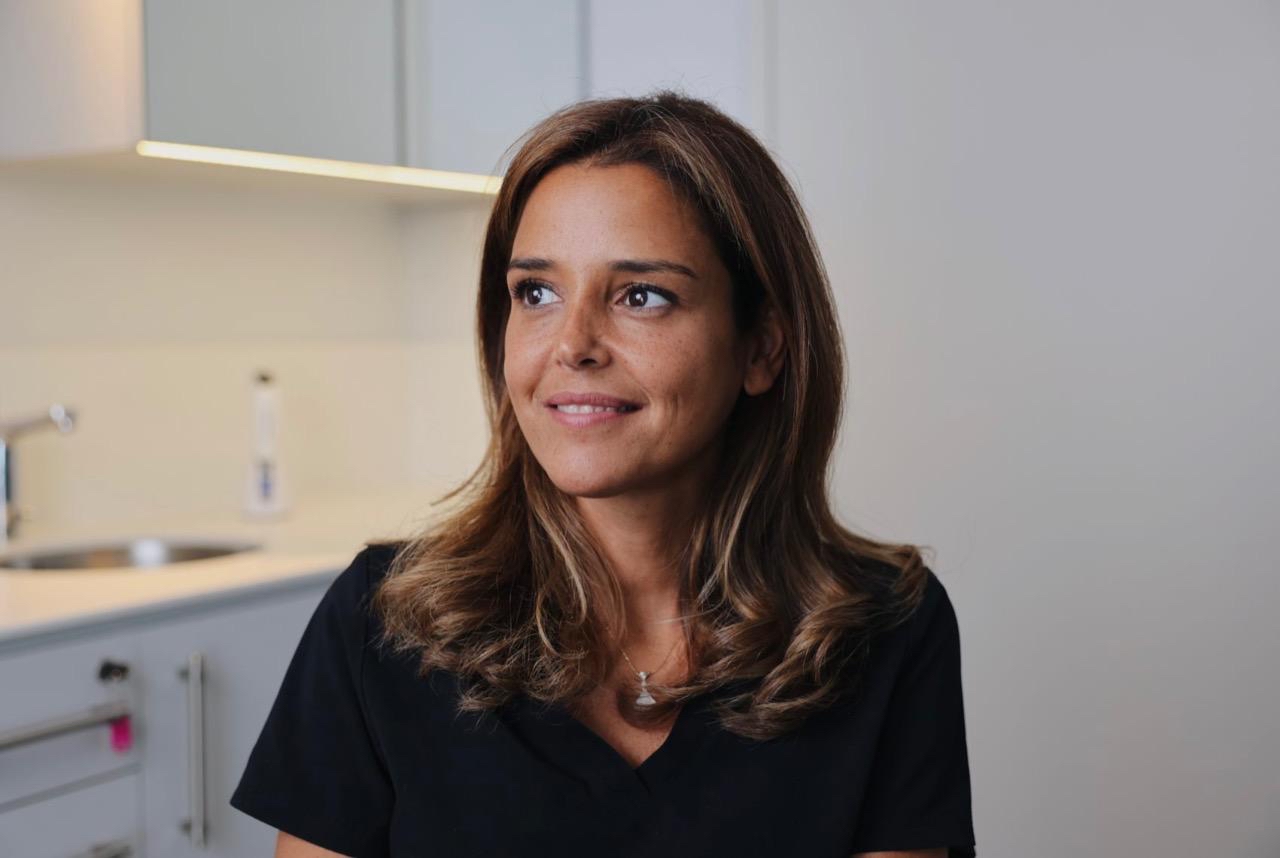
The vision is a future where technology empowers clinicians, rather than replacing them. Platforms like Proximie, founded by Dr.Nadine Hachach-Haram, a practicing NHS surgeon and clinical entrepreneur, are pioneering this approach. Dr. Hachach-Haram’s work, recognized with a British Empire Medal, exemplifies the power of innovation to improve access to safe surgical care globally. Her focus on scaling surgical expertise and fostering educational opportunities for the next generation of practitioners underscores the transformative potential of a digitally connected surgical workforce.
Healthcare stands at a critical crossroads. Continuing with inefficient systems risks further straining an already overburdened workforce and compromising patient care.Embracing digitalization and AI-driven solutions is not simply a matter of technological advancement; it’s a necessity for building a more resilient, sustainable, and equitable future for surgery and healthcare as a whole.
Worth a look